General Washington at Princeton by Polk, Charles Peale
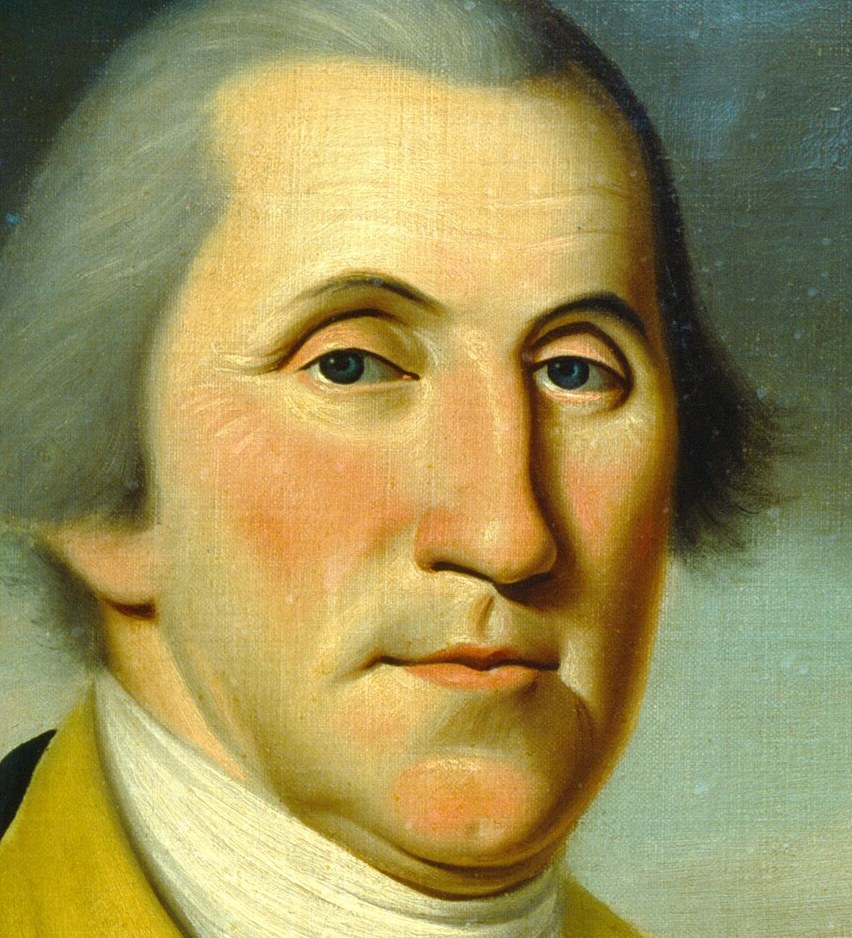
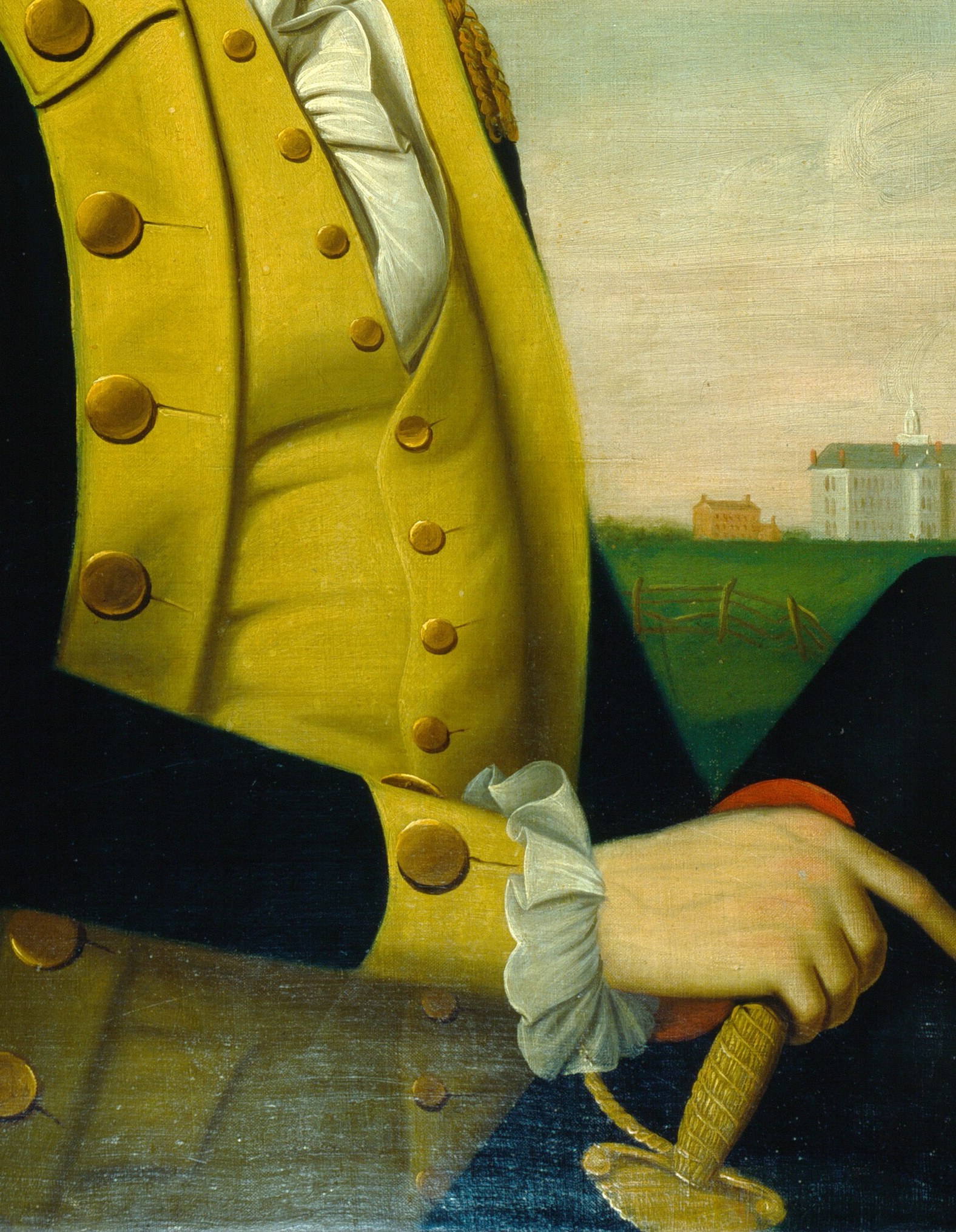
Charles Peale Polk's "General Washington at Princeton," painted around 1790, captures the iconic leader shortly after the Revolutionary War. While Washington's imposing figure dominates the foreground, a subtle detail in the background tells a deeper story.
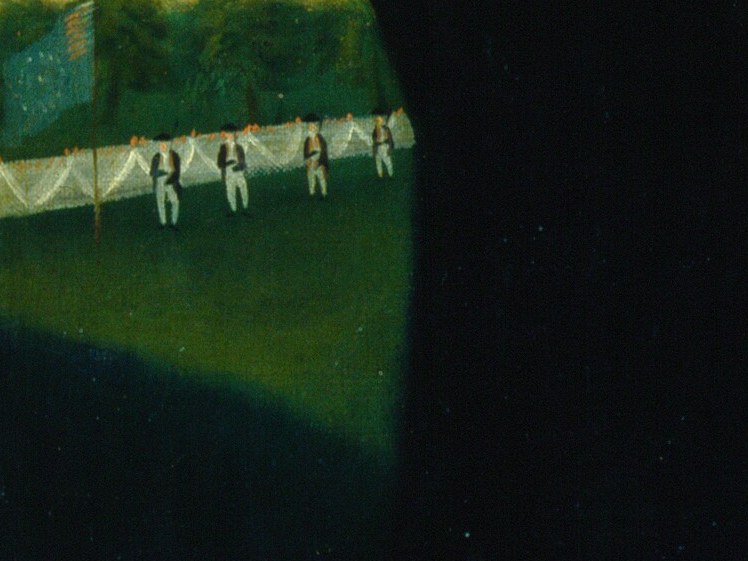
Look closely at the left side of the painting, beyond Washington himself. You'll spot a small encampment with tents and figures, hinting at the military context. These unassuming elements place the portrait firmly in the aftermath of Washington's pivotal victory at the Battle of Princeton in 1777.
This work was a tribute to Washington's crucial role in securing American independence. Polk, known for his meticulous detail and glazing technique, created a portrait that both celebrated the individual and subtly referenced the broader historical narrative of a young nation finding its footing.
What other hidden details do you think might tell a story in historical portraits?
Details
Transcript
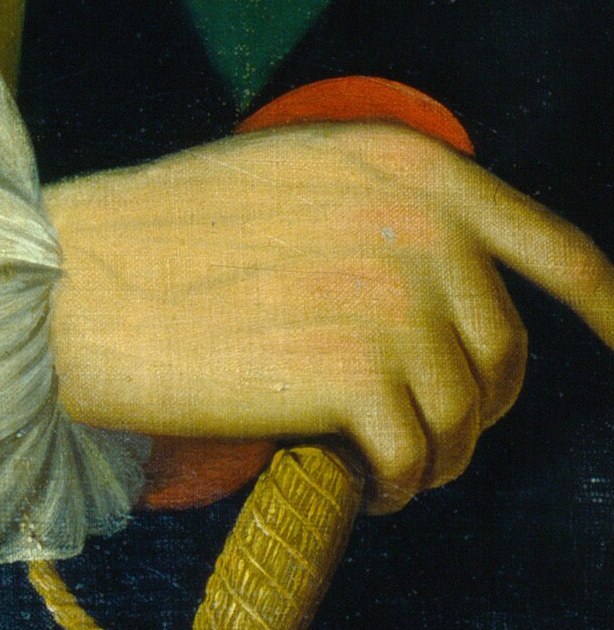
This is General Washington, painted shortly after the war. He stands for strength, duty, and the new nation. Look at his hand, firm on the sword hilt. But the real story is playing out far behind him. Far in the background, tiny tents and soldiers dot the field. This painting commemorates his victory at Princeton.