Figures in a Garden by Paul Gauguin
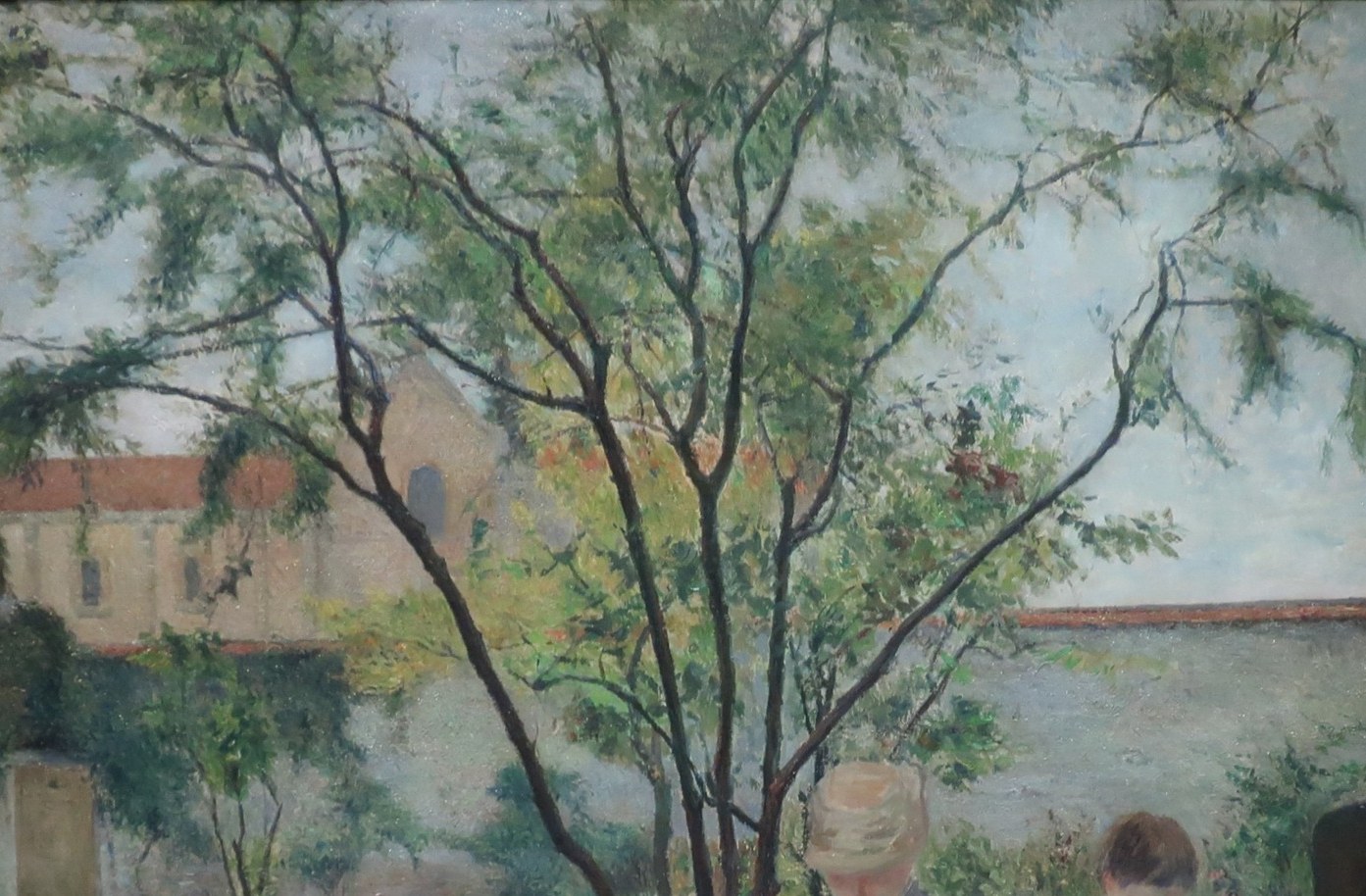
Paul Gauguin's Figures in a Garden, painted around 1891, captures a tranquil domestic scene in a lush garden. This work shows Gauguin engaging with Impressionist principles before his more radical Post-Impressionist style emerged. It's a moment of quiet contemplation.
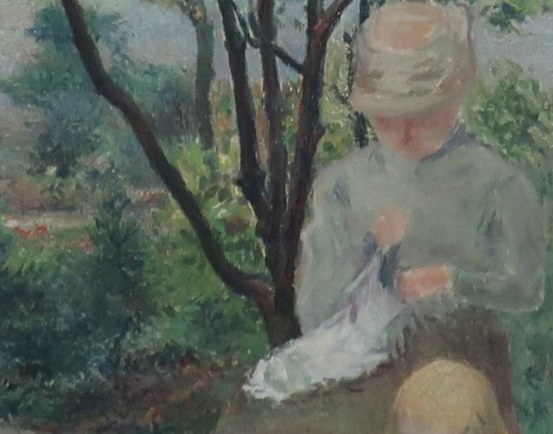
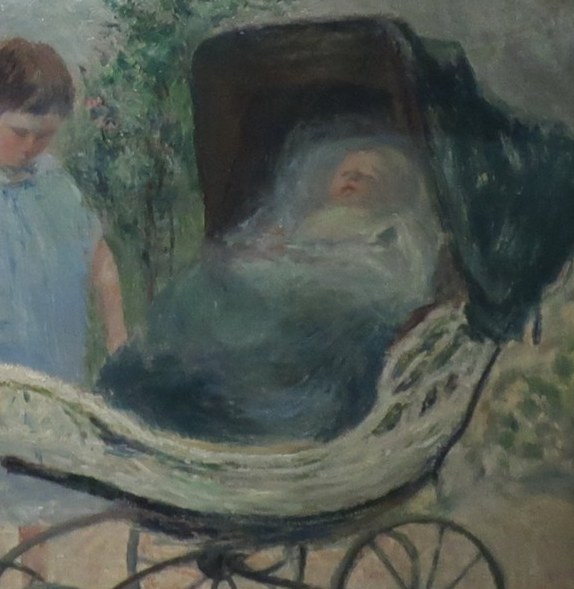
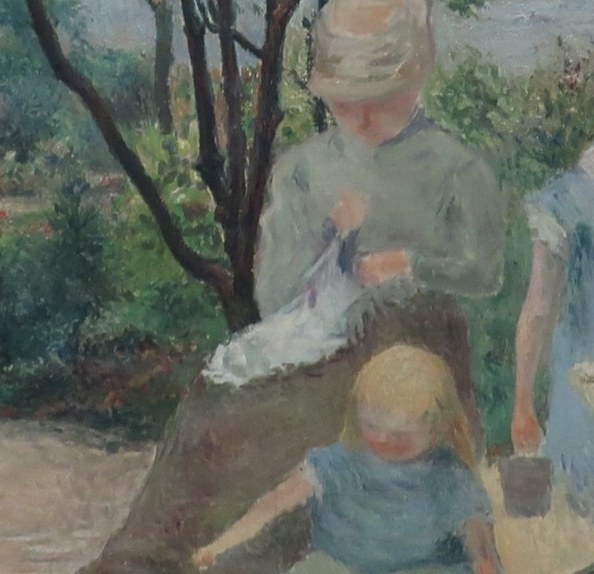
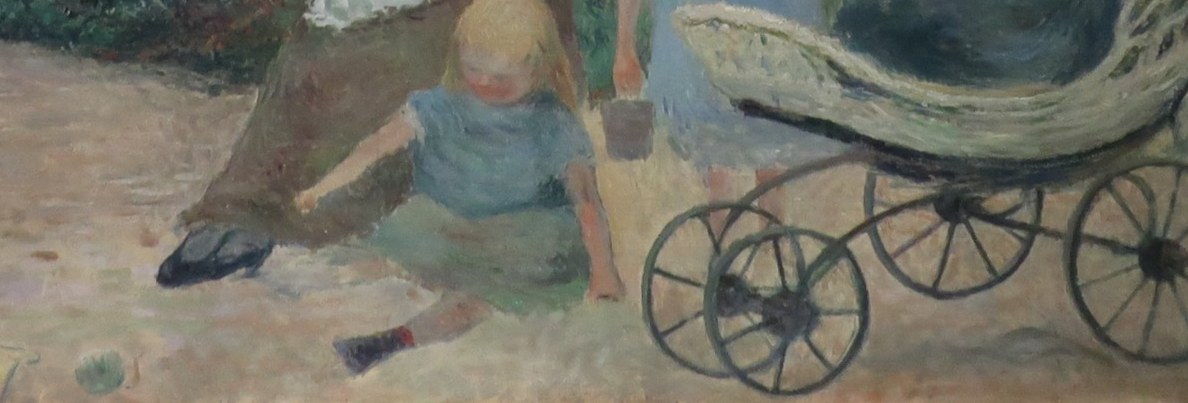
Look at the soft greens and blues, Gauguin's loose brushstrokes. Notice the mother holding her infant, the older child looking down thoughtfully, and the worn garden path hinting at shared family moments.
Gauguin, a French painter, created this piece during a transitional phase of his career. He experimented with color and composition, setting him apart from pure Impressionism and paving the way for his later iconic works. This painting is held in the collection of Statens Museum for Kunst.
It's a peaceful glimpse into everyday life, rendered with Gauguin's distinctive touch.
Details
Transcript
This is a moment of quiet family time. A mother holds her infant close. The infant's face is hidden, vulnerable. Her older child looks down thoughtfully. Gauguin painted this in 1891. He was experimenting with Impressionism. Notice the soft, dappled light. The garden path suggests shared moments.