Portrait of Cornelis Backer (1633-81), councillor, alderman, and colonel of the Amsterdam militia by Caspar Netscher
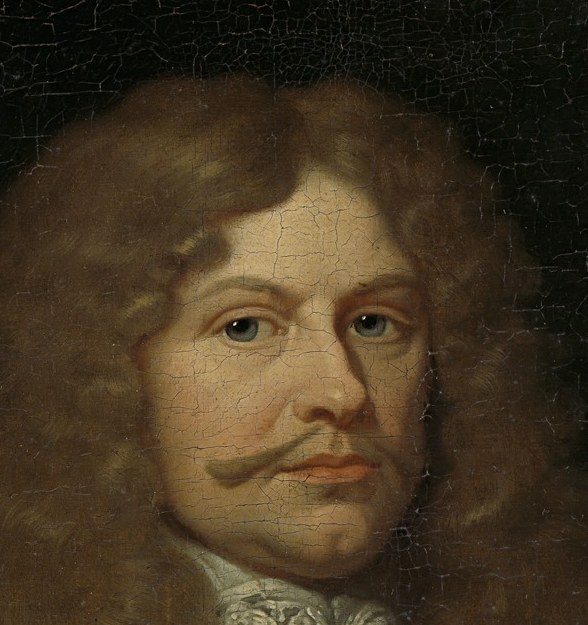
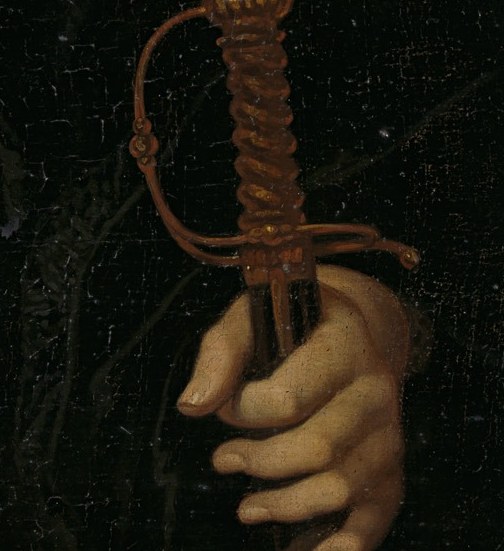
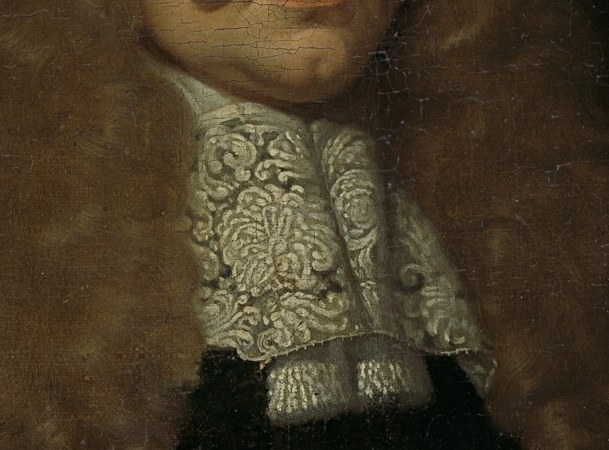
Caspar Netscher’s 1672 "Portrait of Cornelis Backer" at the Rijksmuseum captures a moment of quiet dignity amidst national turmoil. Cornelis Backer, a distinguished Amsterdam official, is shown in a formal pose, his elaborate cravat and sword hilt signaling his civic and military stature.
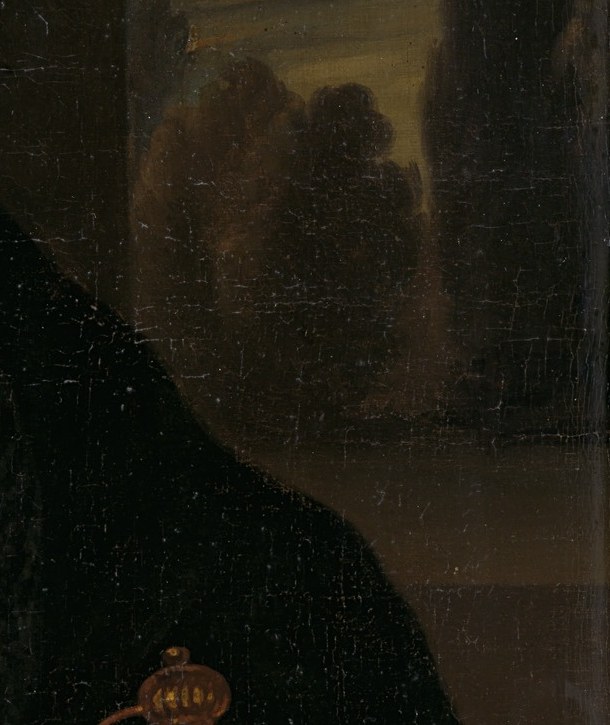
While his composed expression and elegant attire suggest stability, the subtle drama of the background sky hints at the turbulent year in which it was painted: 1672, known in Dutch history as the “Rampjaar,” or “Disaster Year.” During this period, the Dutch Republic faced invasion from multiple European powers.
Netscher, a master of fine detail and rich textures, uses a restrained light to focus on Backer’s face and the luxurious fabrics of his clothing, creating a sense of gravitas. The painting stands as a testament to the resilience and poise of a leader during one of his nation's most challenging times.
What do you see in the contrast between Backer's calm demeanor and the hinted chaos?
Details
Transcript
This is Cornelis Backer, a powerful Amsterdam official. He was a city councilor, alderman, and militia colonel. His sword hilt, a symbol of his military rank, is prominent. But look at the dramatic, turbulent sky behind him. This portrait was painted in 1672, the Dutch “Rampjaar.” Holland was invaded by France, England, and two German states. His composed expression belies a nation in chaos.