Portrait of a Member of the Haarlem Civic Guard by Hals, Frans
This is Frans Hals's Portrait of a Member of the Haarlem Civic Guard, painted around 1636 to 1638 and now in the National Gallery of Art, Washington. It is not a portrait of a named individual we can identify today, but of a type, the wealthy, self-assured citizen-officer on whom the Dutch Republic depended.
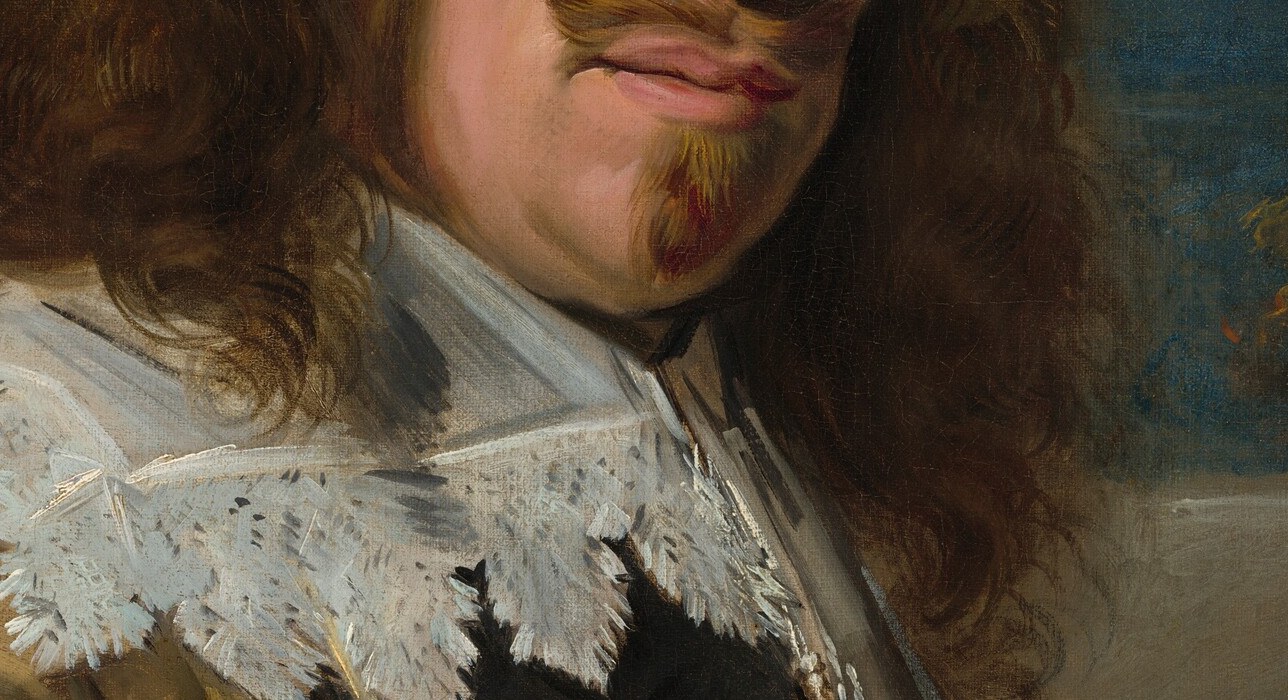
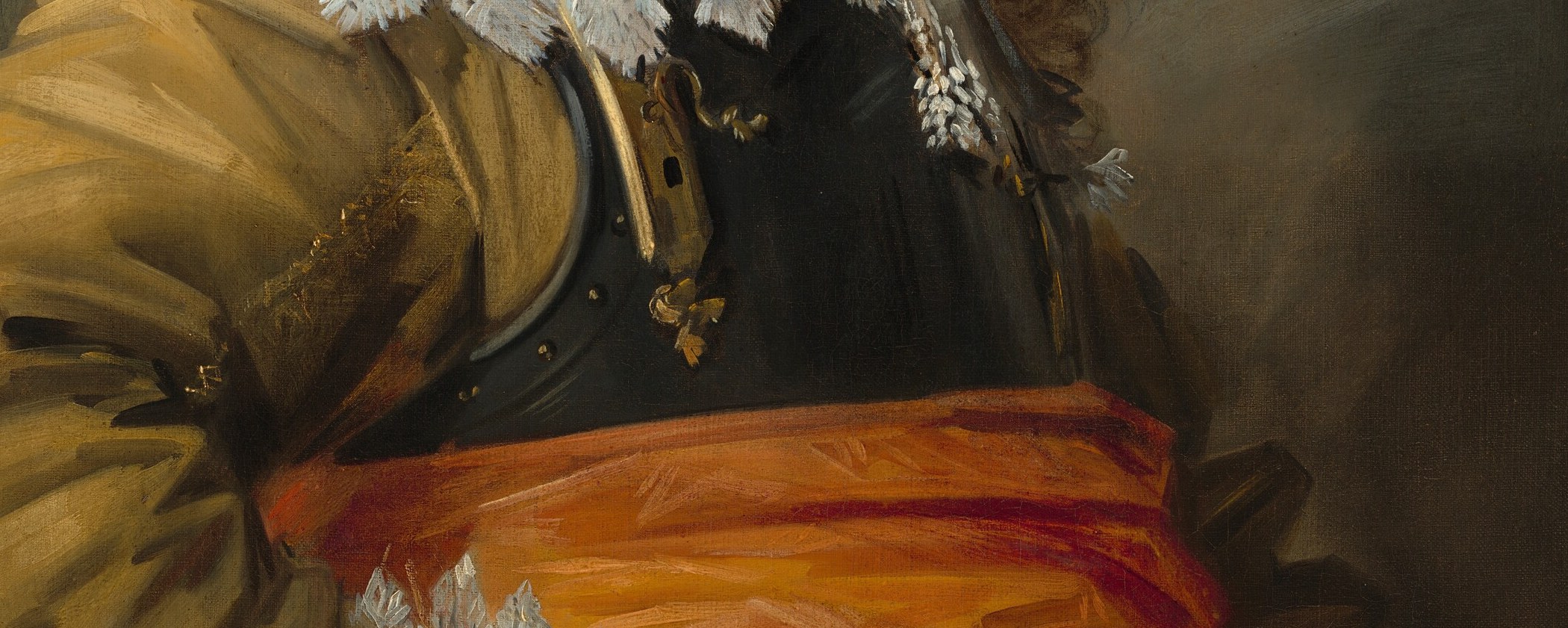
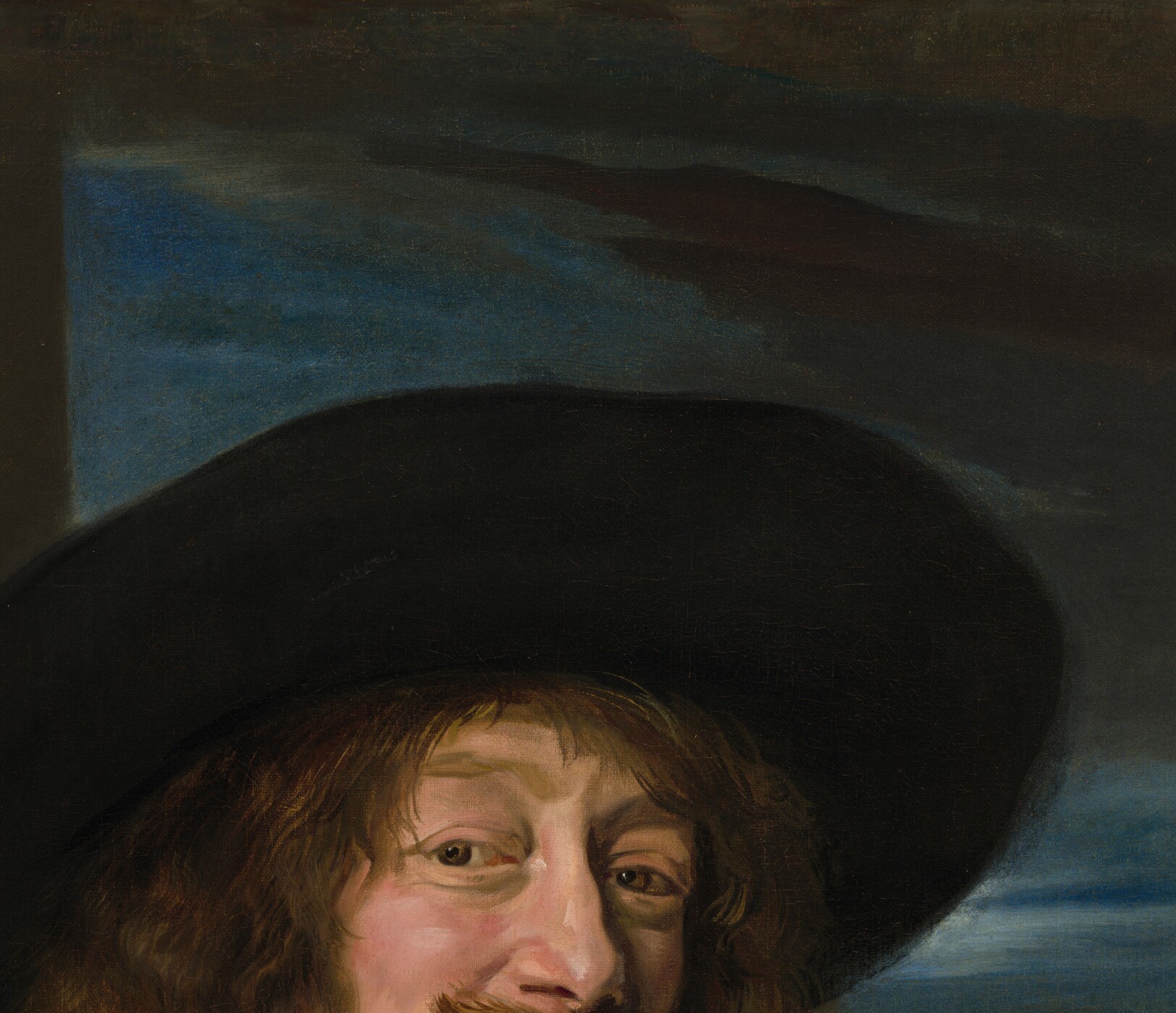
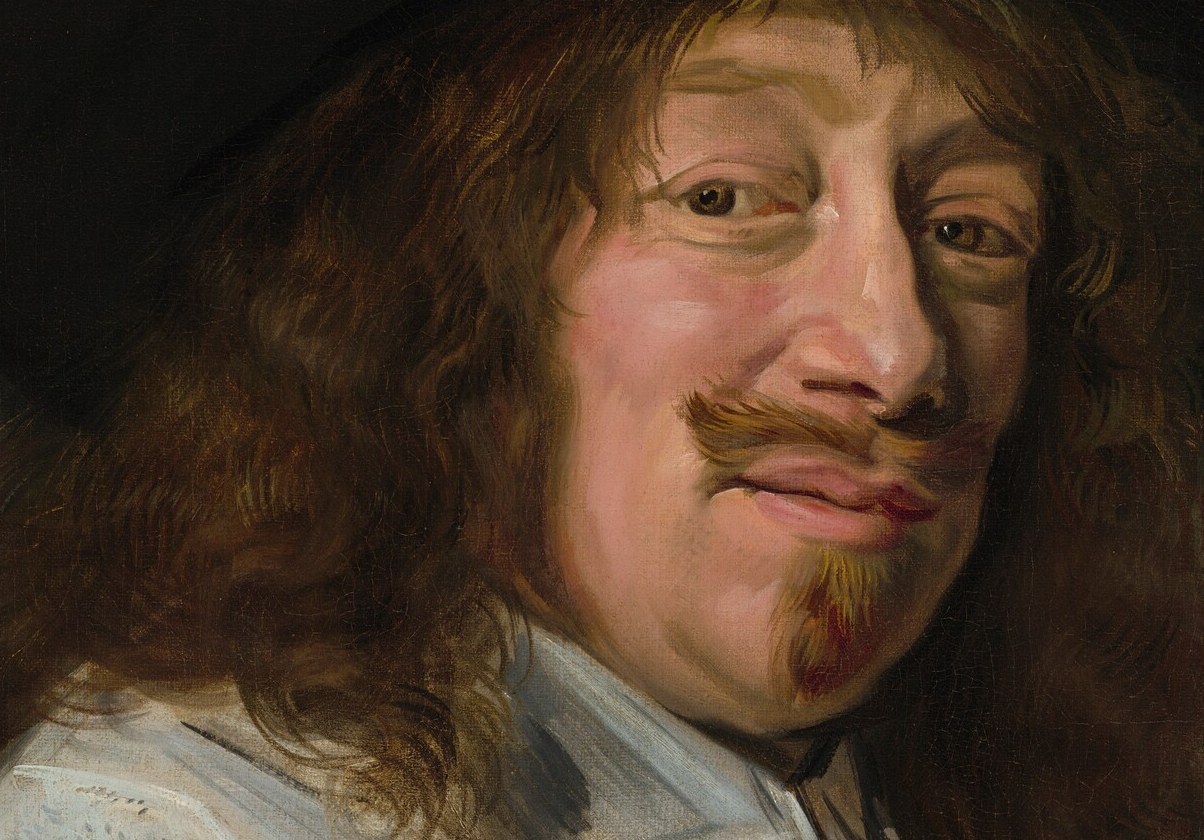
Look first at the face. Hals was famous in his own time for capturing fleeting expressions, and here the slight smile and the direct, level gaze make the sitter feel genuinely present. Then let your eye drop to the lace collar. At normal distance it reads as expensive Flemish lace; close up, it dissolves into loose, confident brushstrokes laid wet-into-wet. The red sash and the small steel gorget at his throat mark him as an officer in one of Haarlem's civic guard companies.
Civic guard portraits were a major social institution in 17th-century Dutch cities. Officers commissioned individual likenesses and enormous group portraits to hang in their meeting halls. They paid for their own uniforms, weapons, and the paintings themselves, so a portrait like this did double work, it recorded a man's face and advertised his prosperity. Hals himself was a member of a Haarlem rhetorical society and knew this world from the inside.
Hals painted with a speed and economy that shocked some of his contemporaries, but it gave his sitters a liveliness that no smooth finish could match. Stand in front of this canvas in Washington and the man still looks like he is deciding whether to speak.
Details

Transcript
Haarlem, around 1637. The Dutch Republic is at its peak. Every Dutch city kept a citizen militia, the civic guard. This steel throat-piece was not costume. He trained in it. The red sash marked his rank. Every officer paid for his own uniform. Now look at the face. Hals painted expressions that flicker. The eyes meet yours directly. That was the point of a Hals portrait. He painted it all with swift, visible strokes, wet paint into wet paint. Three centuries later, he still looks like he is about to speak.