Portrait of a Lady by John Robinson
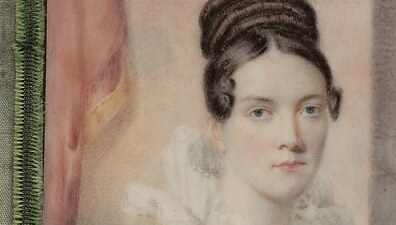
Before photography, miniature portraits like John Robinson's "Portrait of a Lady" from 1822 were treasured keepsakes. Painted in watercolor on ivory, these small, intimate works allowed people to carry the likenesses of loved ones with them, often in lockets or cases.
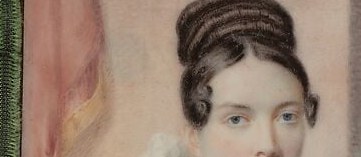
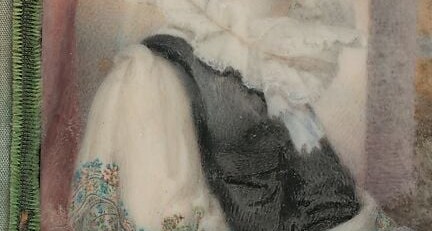
Look closely at the delicate details in this painting. The fine brushstrokes capture the sitter's direct gaze and faint smile, intended for a personal, intimate connection with the viewer. Notice the intricate lace collar and the subtle luminosity of her skin, achieved by painting on ivory.
John Robinson was known for his skill in this specialized art form. These miniature portraits were a popular way to commemorate family and friends, much like photographs are today. They reflect a desire to preserve memories and maintain connections across distances and time.
What details in this miniature help tell its quiet story?
Details

Transcript
Before photographs, miniatures kept loved ones close. This one, from 1822, is watercolor on ivory. Her direct gaze was meant for a single viewer. See the faint smile and bright spark in her eyes. Delicate brushwork captures every detail, even the lace. This painter, John Robinson, specialized in them.