Spring (Fruit Trees in Bloom) by Claude Monet
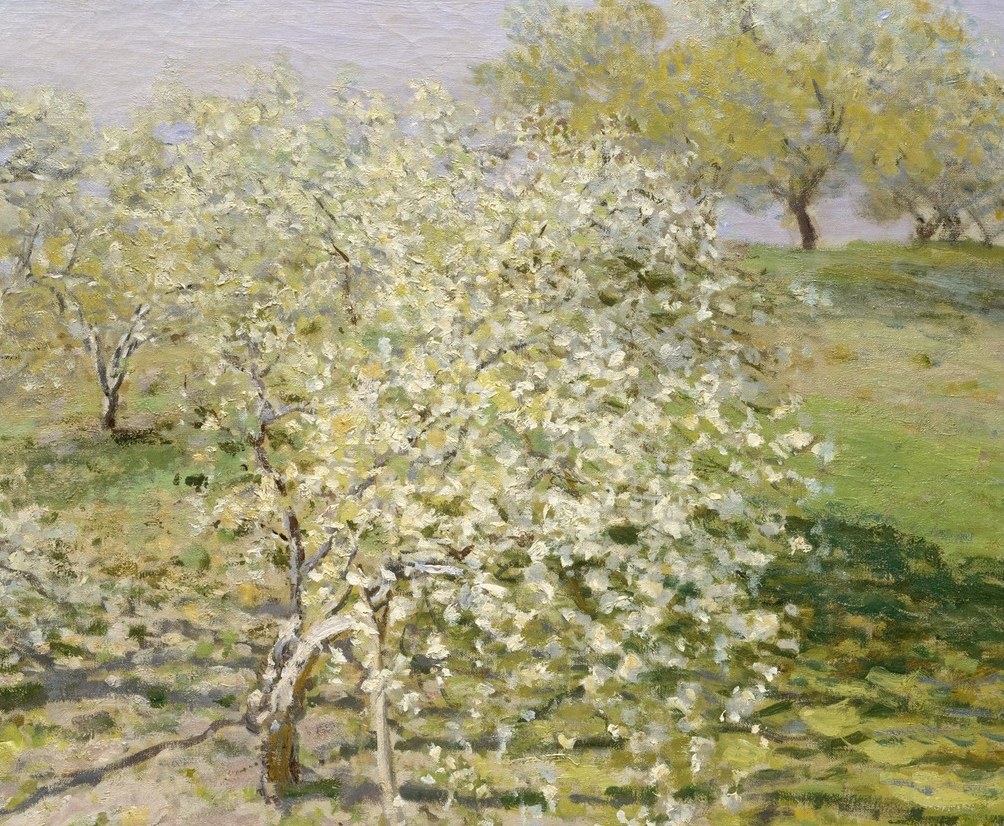
Claude Monet's 'Spring (Fruit Trees in Bloom),' painted in 1873, captures the vibrant, transient beauty of a blooming orchard. This oil painting, held at The Metropolitan Museum of Art, is a key early example of Impressionism, a movement Monet helped found.
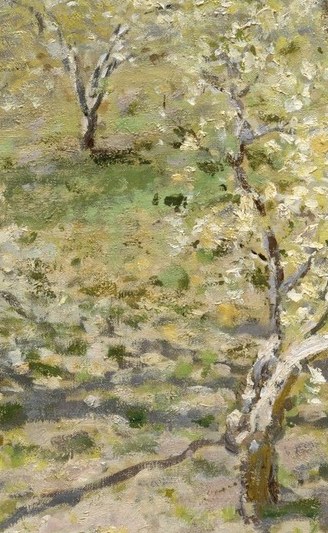
Observe the thick, visible brushstrokes Monet used, especially on the tree trunks and blossoms. This technique gives the painting a lively, immediate quality, conveying the sensation of light and movement.
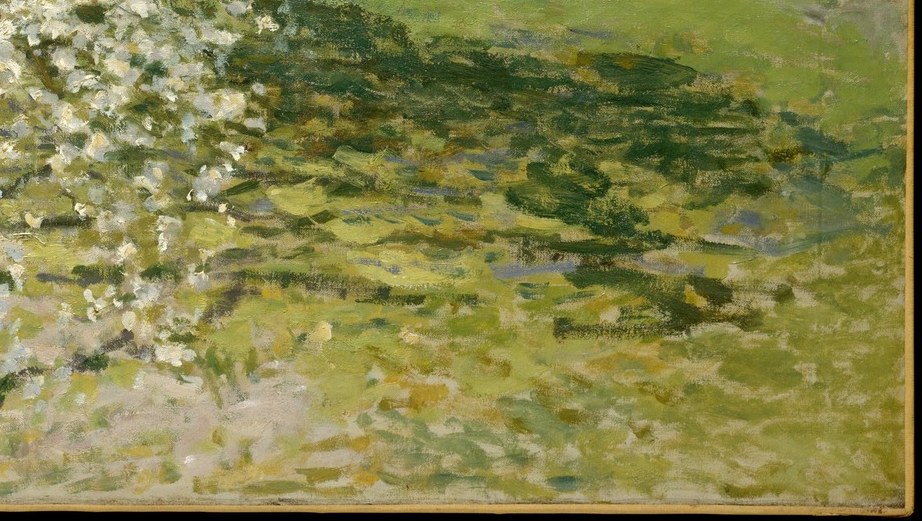
Monet was dedicated to painting 'en plein air,' or outdoors. This allowed him to directly capture the atmospheric conditions and changing light, a hallmark of his style. The dappled shadows on the grass and the luminous blossoms reflect his keen observation.
Next time you see a Monet, look for these subtle details that bring the scene to life. What small elements do you notice first?
Details
Transcript
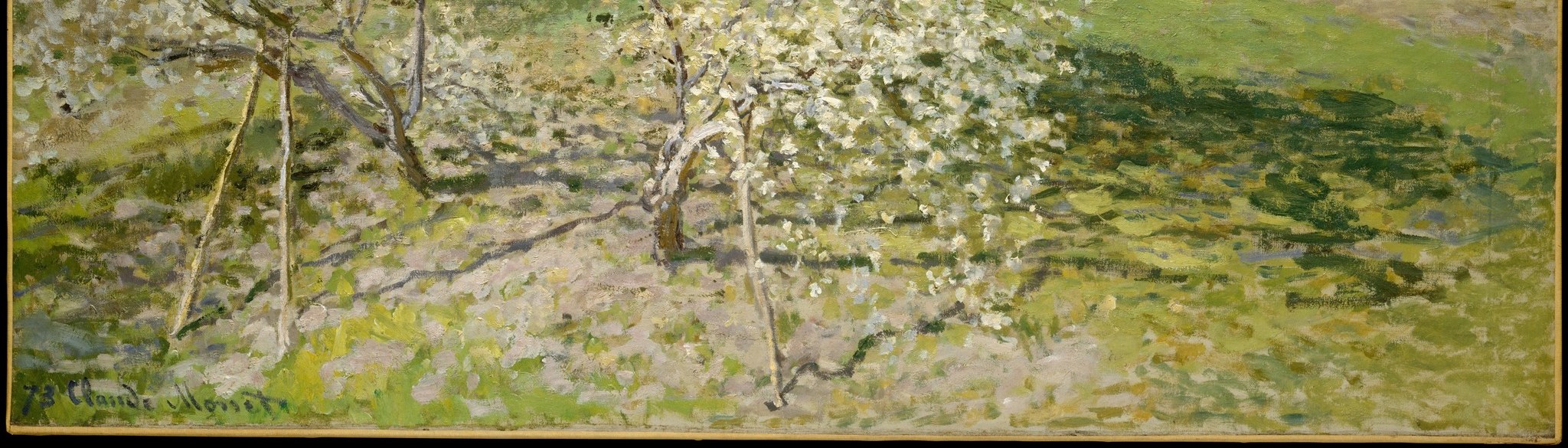
Monet painted this in 1873, a pivotal year for Impressionism. He captures the fleeting beauty of spring blossoms. Notice the thick, visible brushstrokes on the branches. Monet painted this entirely outdoors, observing nature directly. Look closely at the dappled shadows on the grass. And here, a subtle hint of the artist's presence.