Boerenkermis by David Teniers (Flemish, 1610–1690)
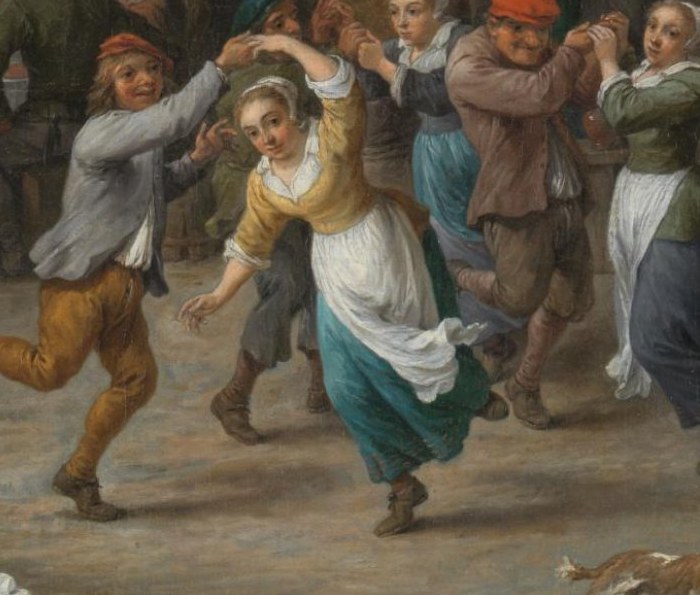
David Teniers's "Boerenkermis" (c. 1665) at the Rijksmuseum offers a vibrant glimpse into a 17th-century village festival, also known as a kermis. While many artists of the era presented idealized views of peasant life, Teniers introduces a more nuanced reality here.
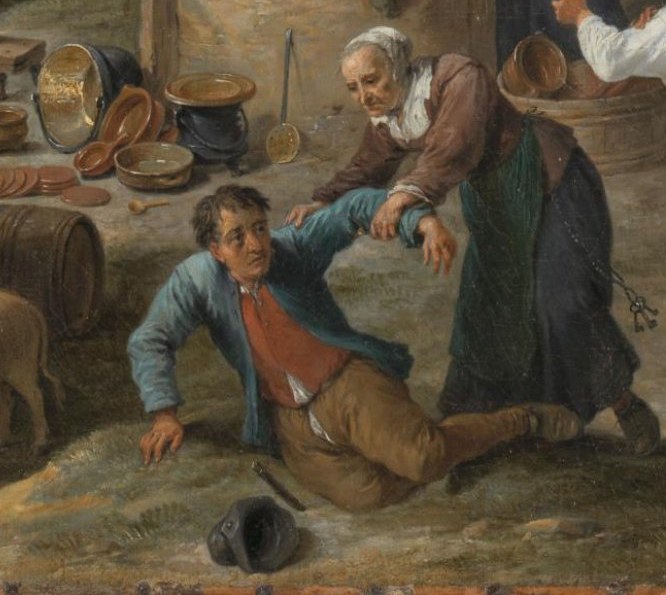
Observe the lively dancers and the bagpipe player setting the scene, but also notice the inclusion of an inebriated man in the foreground. This detail provides a candid contrast to the general merriment, grounding the festive scene in everyday human behavior.
Teniers, a prolific Flemish Baroque painter, was renowned for his genre paintings, particularly his depictions of peasant life. As court painter to Archduke Leopold Wilhelm, he was an influential figure, even founding the Antwerp Academy. His work often explored the full range of human experience within these social settings.
This painting beautifully balances celebration with realism, inviting us to consider the various facets of communal life.
Details
Transcript
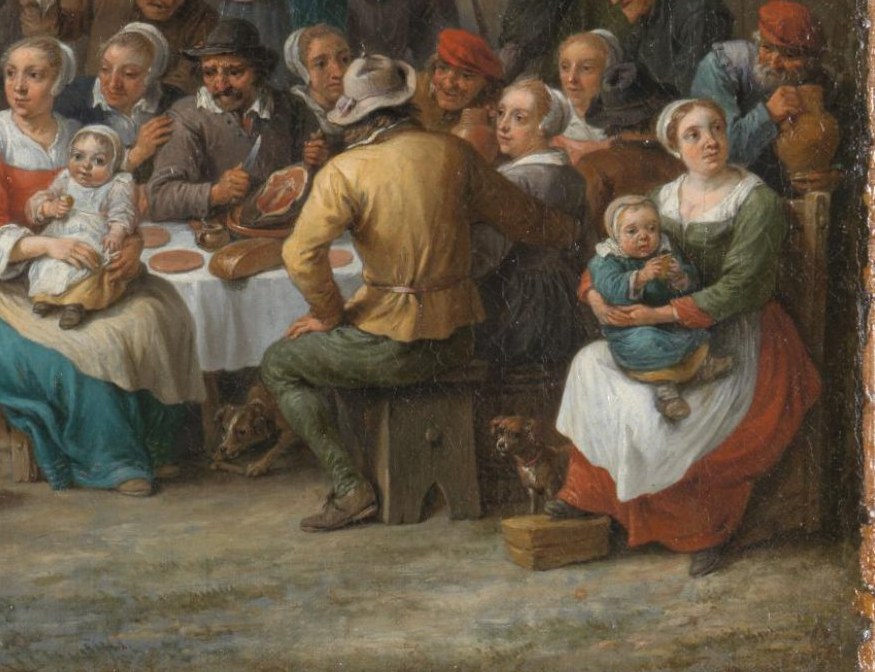
This painting shows a lively 17th-century village festival. Most such scenes were idealized, showing only happy peasants. But this painter included a touch of candid realism. The merriment continues, even as one man stumbles. Amidst the revelry, a quiet family moment unfolds. He captures the full spectrum of human life in one painting.