The Veteran in a New Field by Winslow Homer (American, 1836–1910)
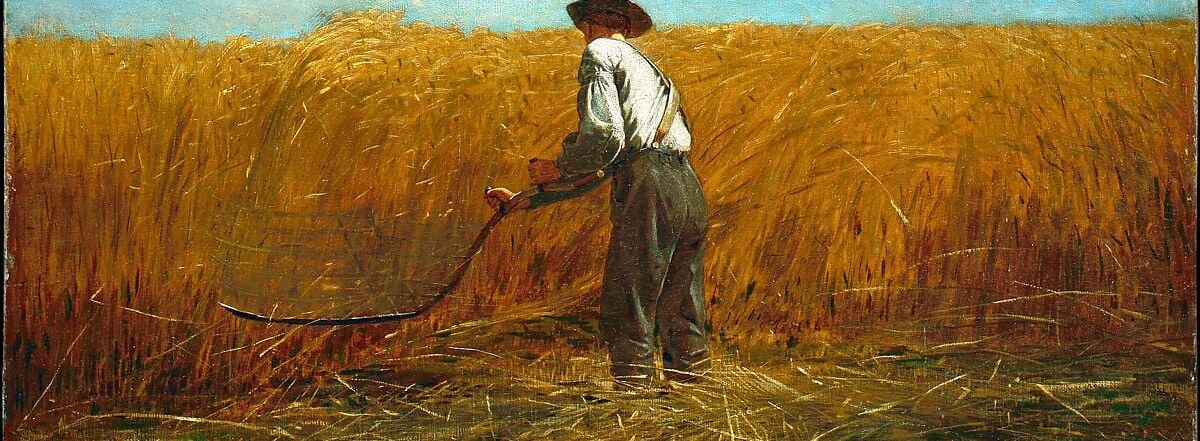
Winslow Homer's The Veteran in a New Field, oil on canvas, 1865, at the Metropolitan Museum of Art. This painting uses the farmer's scythe to represent the transition from war to peace and the tool's dual nature.
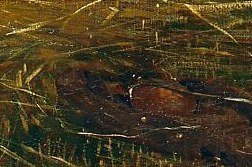
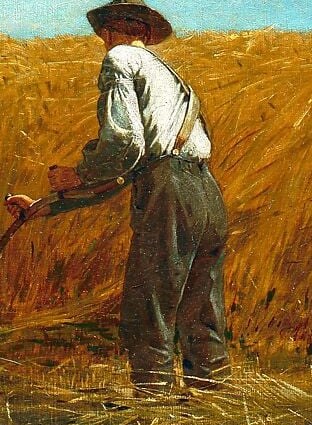
The lone farmer harvests wheat under a vast blue sky. Notice the discarded soldier's jacket and canteen in the foreground, identifying him as a returning veteran of the Civil War. His back is turned, keeping his face and his internal struggles unseen.
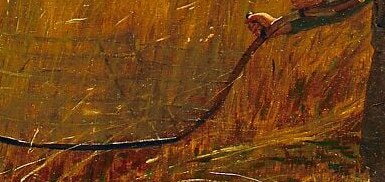
Homer painted this in the very year the Civil War ended, reflecting the national mood of rebuilding and reintegration. The scythe, a symbol of harvest and peace, also historically served as a weapon, subtly referencing the violence just passed and the cyclical nature of life and death.
This transitional work marks Homer's shift from direct war scenes to exploring the quiet, internal impact of conflict on soldiers returning to civilian life. What does the unseen face suggest about the veteran's inner state?
Details
Transcript
He mows the field like a soldier returning. His old soldier's jacket lies discarded. The canteen, too, signifies a mission done. He wields the scythe like a weapon, then a tool. Winslow Homer painted this in 1865. It shows America's return from war. The farmer's back is to us, his face unseen.