Sandy Road with a Farmhouse by Jan van Goyen
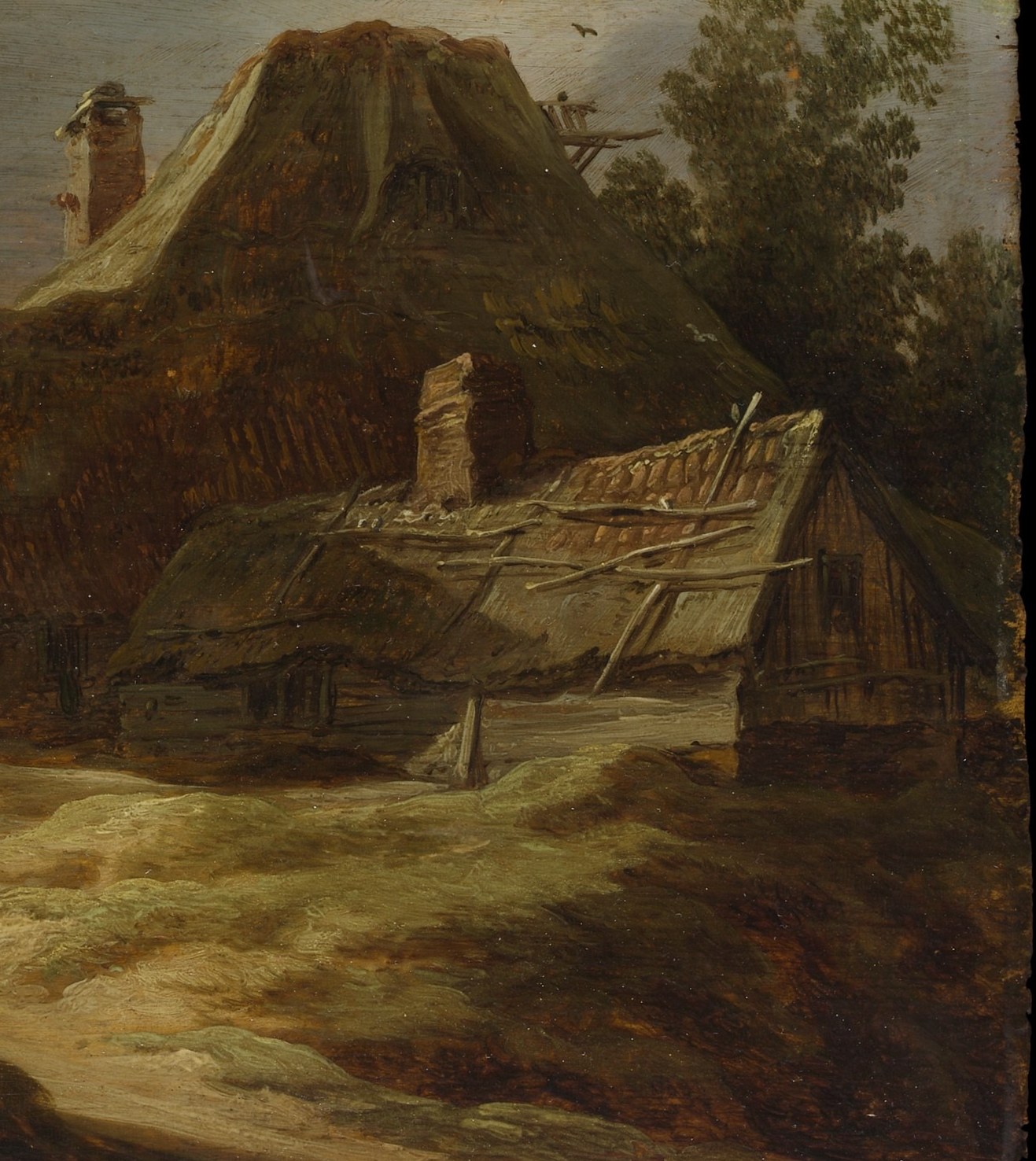
Jan van Goyen's *Sandy Road with a Farmhouse* (1627), held at The Metropolitan Museum of Art, looks at first like a simple view of the Dutch countryside. But like many Golden Age landscapes, it carries a quiet moral message hidden in plain sight.
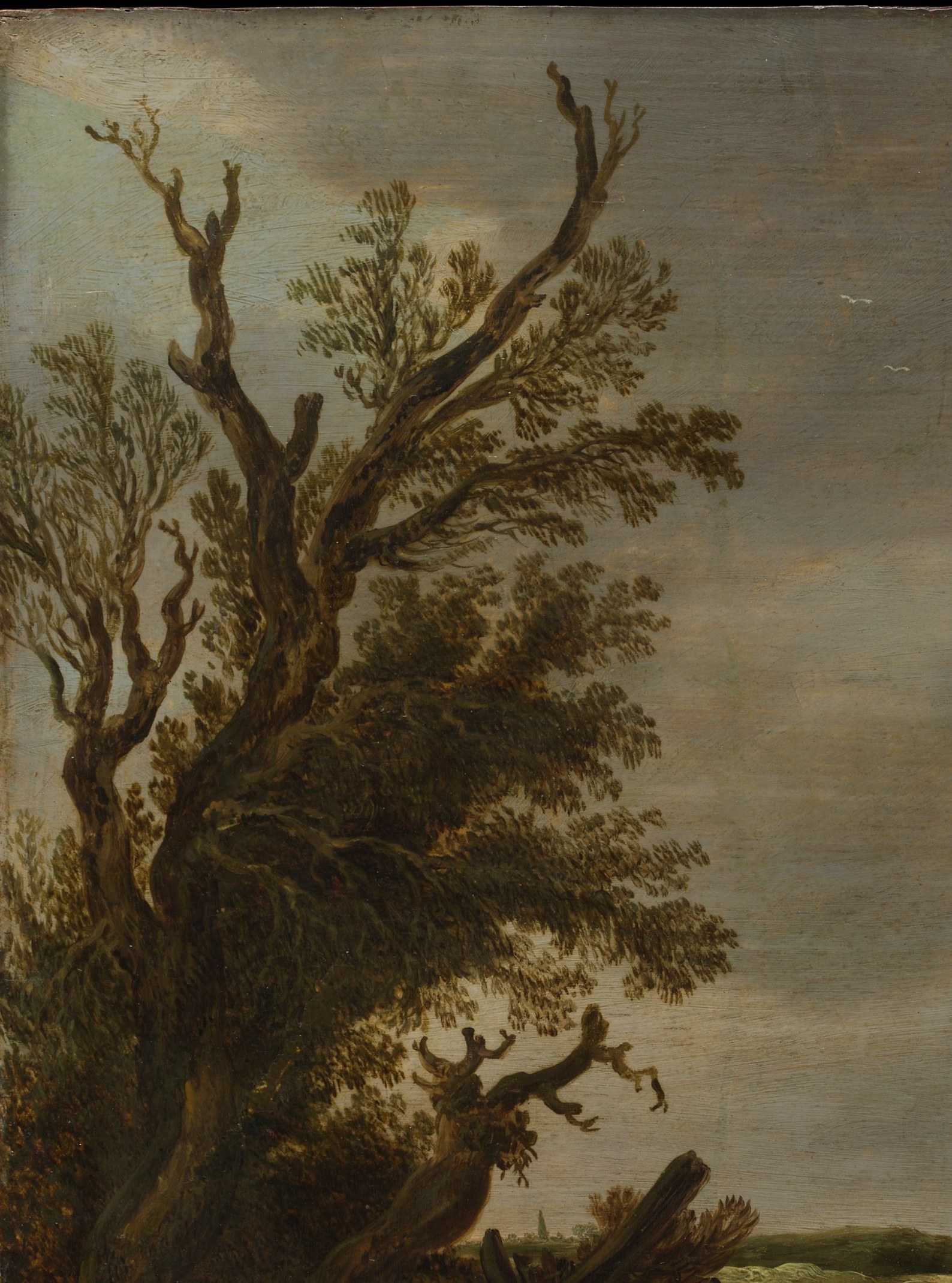
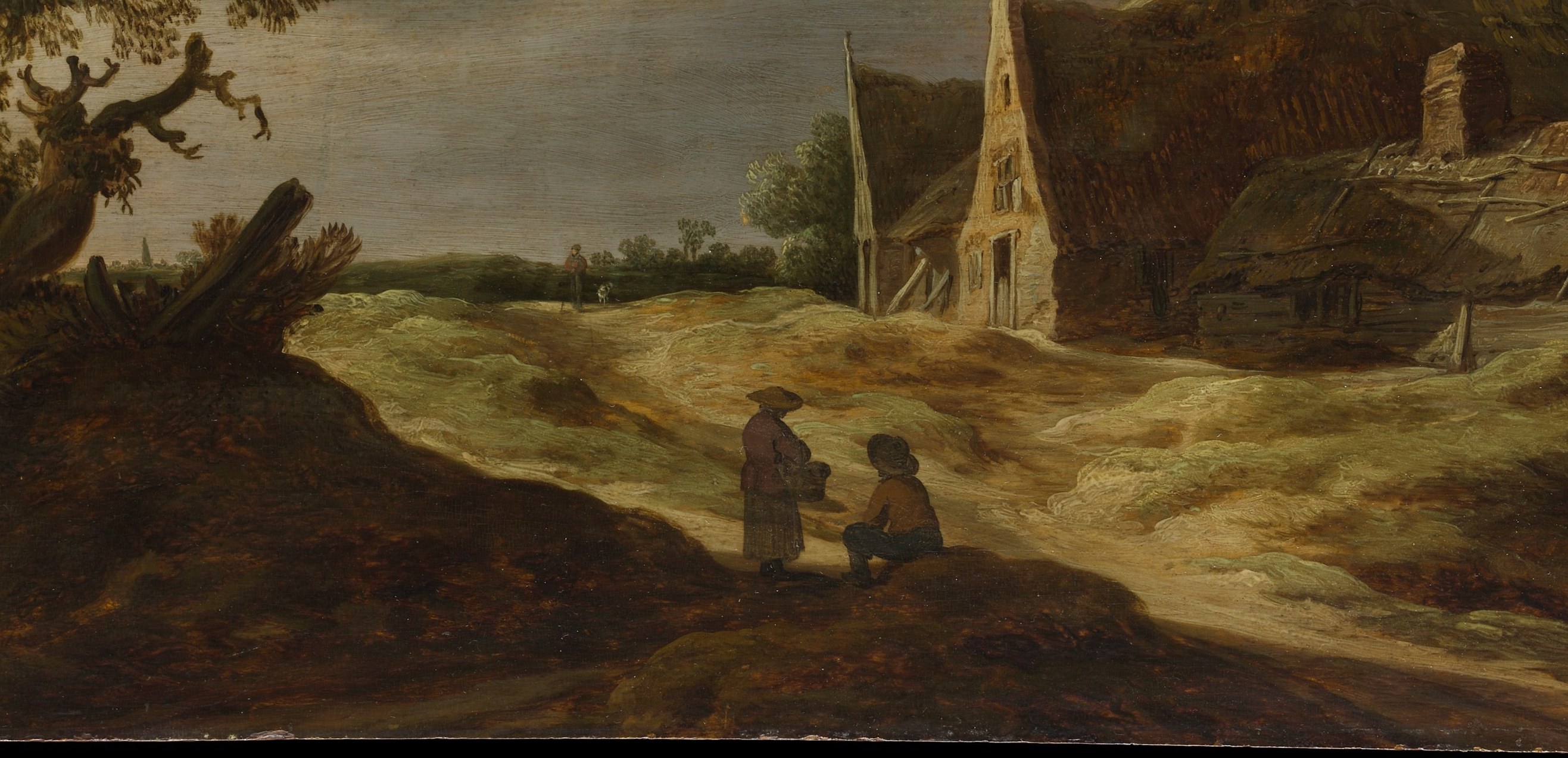
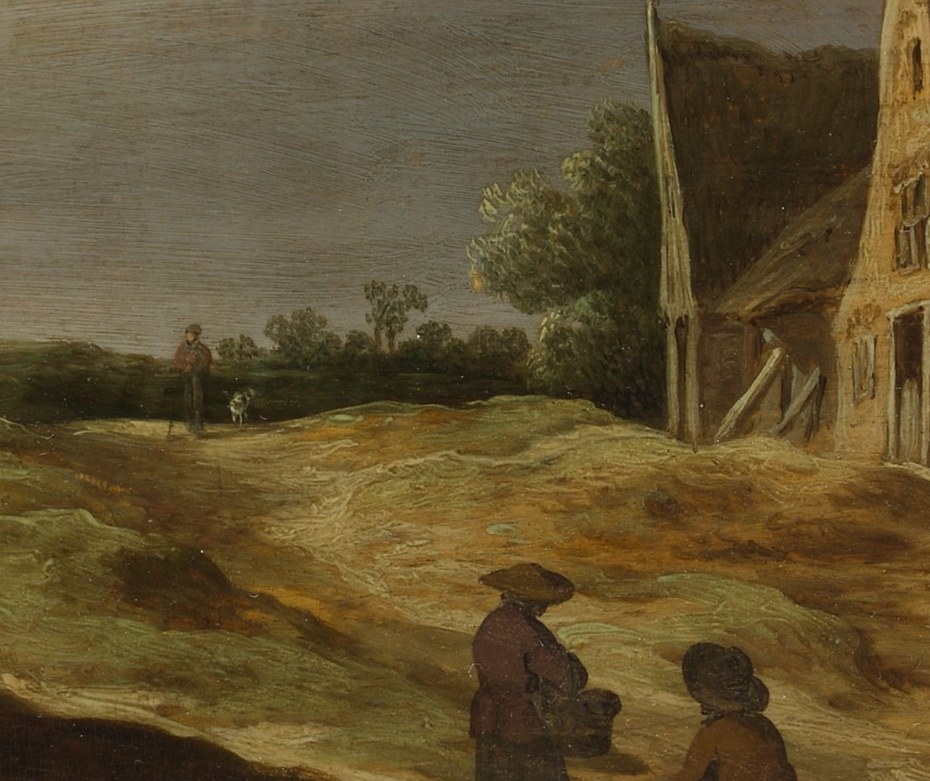
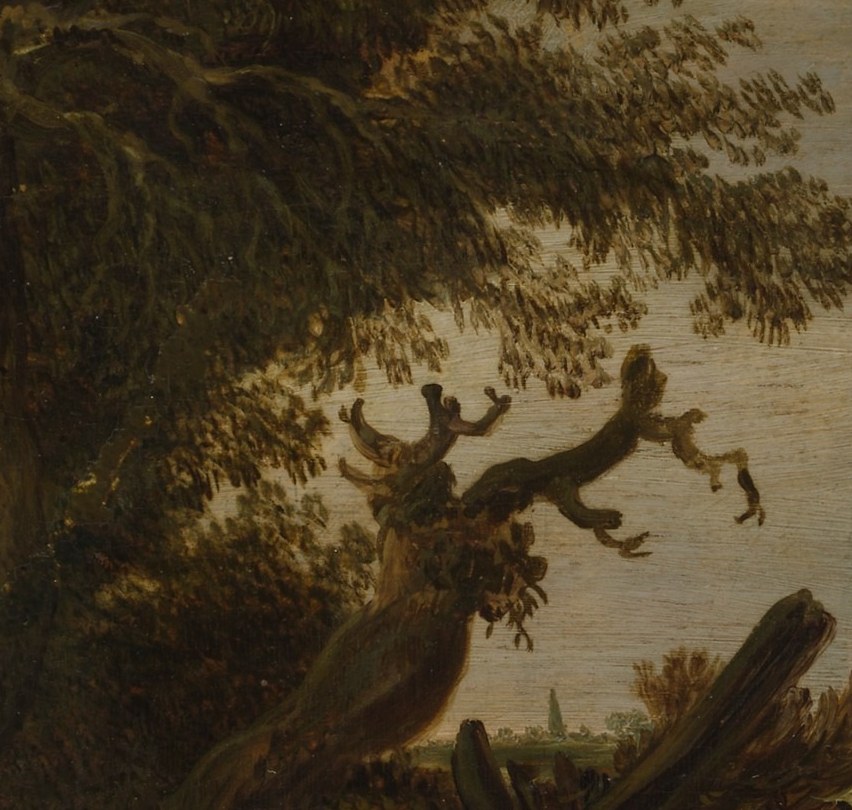
Pause on the large tree on the left. It is dead, no leaves, just a skeleton of branches raking across the sky. Then look down at the road. Two tiny travelers, barely visible, walk past it. The contrast in scale is the point: human life is small and brief. The tree, even in death, dominates.
Van Goyen painted this when he was 31, early in a career that would produce around twelve hundred paintings. He made his name on scenes exactly like this, unpicturesque, everyday Dutch land under big, moody skies. A dead tree in the foreground was not an accident; it was a vanitas symbol his audience recognized immediately.
Next time you see a bare tree in a 17th-century Dutch painting, you will know what it is really saying.
Details
Transcript
A quiet road, a farmhouse, a big sky. You have seen this a hundred times. But look at the tree on the left. Stripped bare. Dead. Van Goyen painted this in 1627, when he was 31. He specialized in ordinary Dutch land, no heroes, no miracles. Now find the tiny travelers on the road. The dead tree towers over them. It is not just a tree. In Dutch Golden Age landscapes, a dead tree means transience. Nature outlasts us.