Vincenzo Cappello by Titian
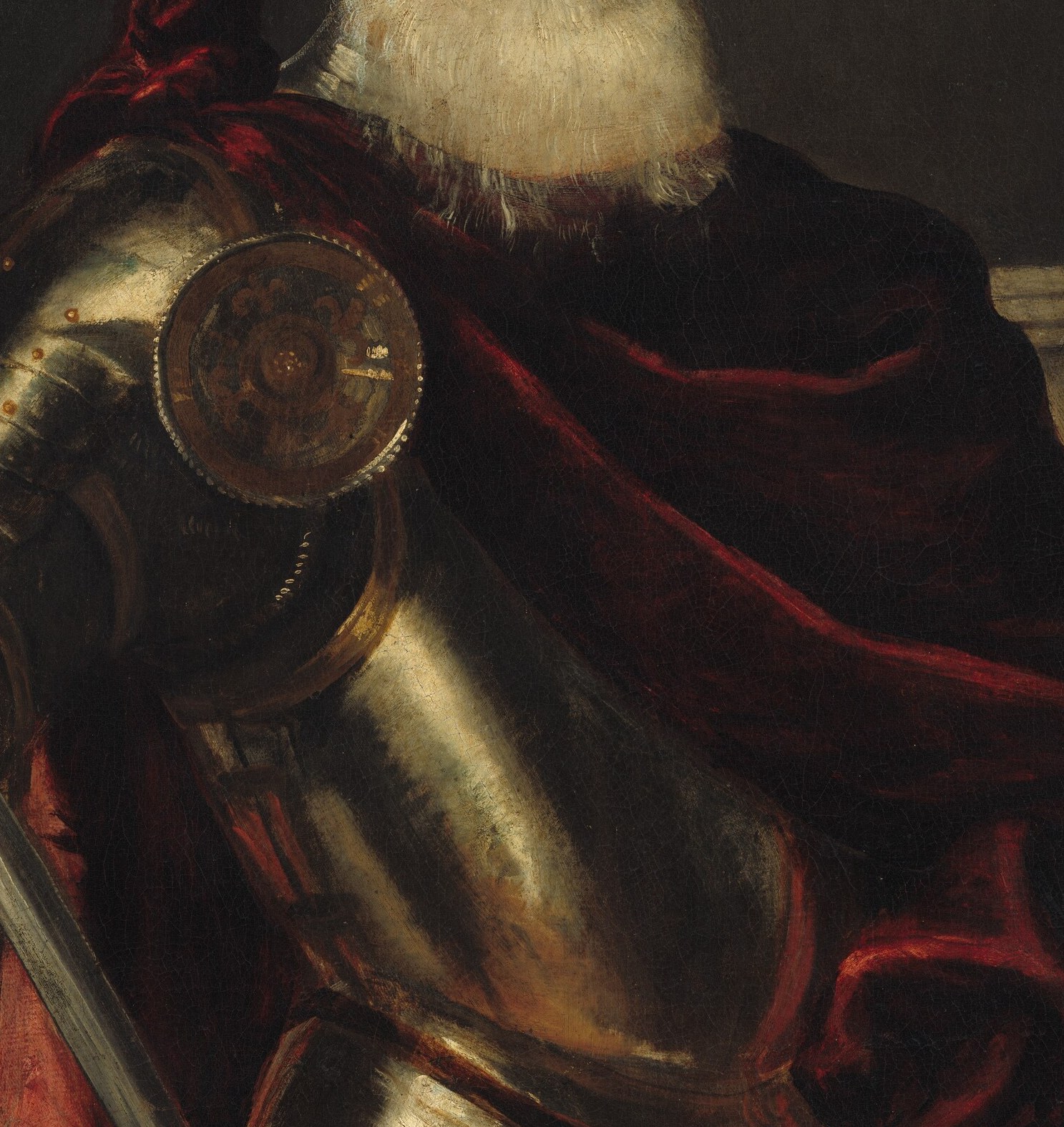
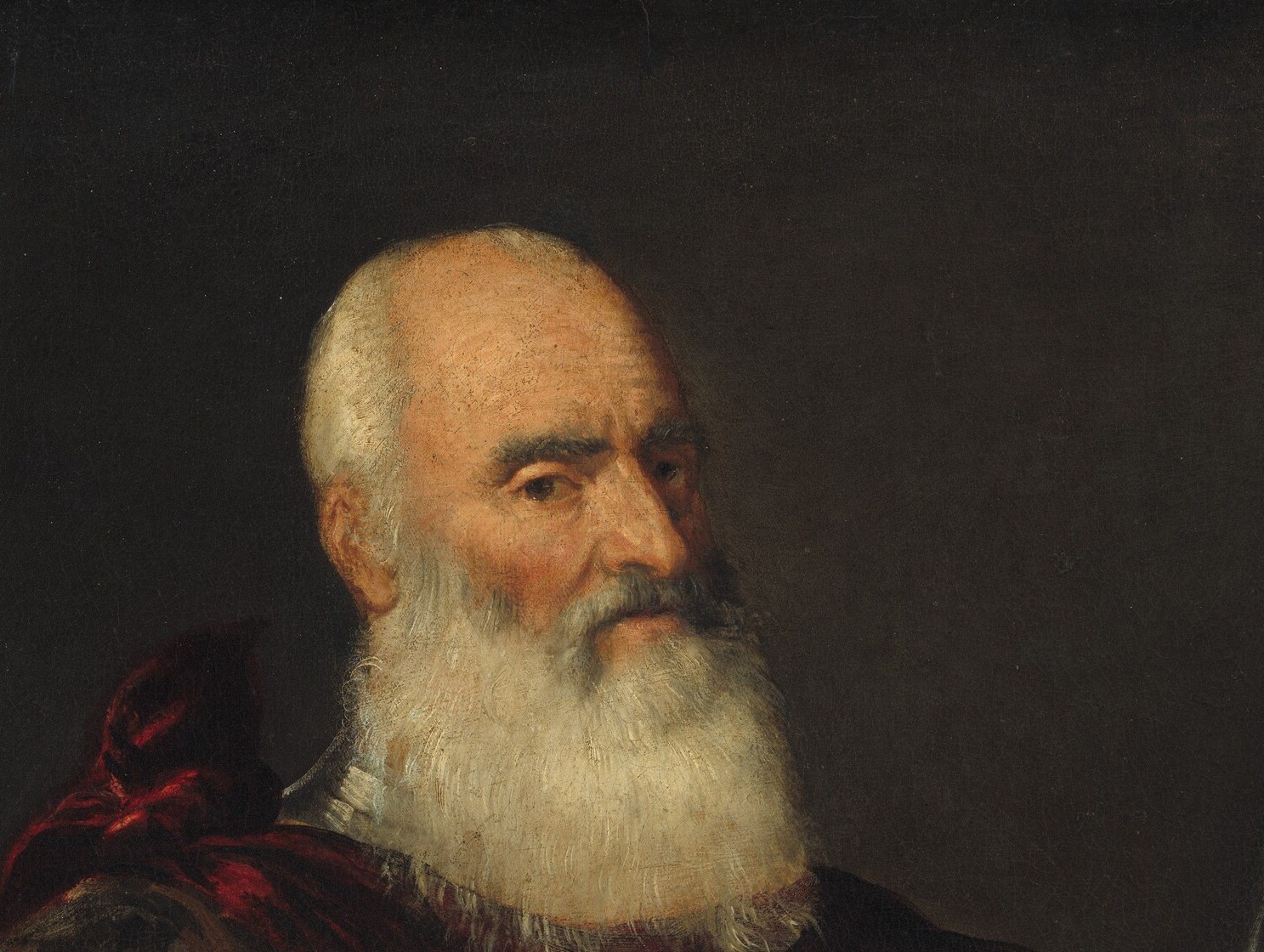
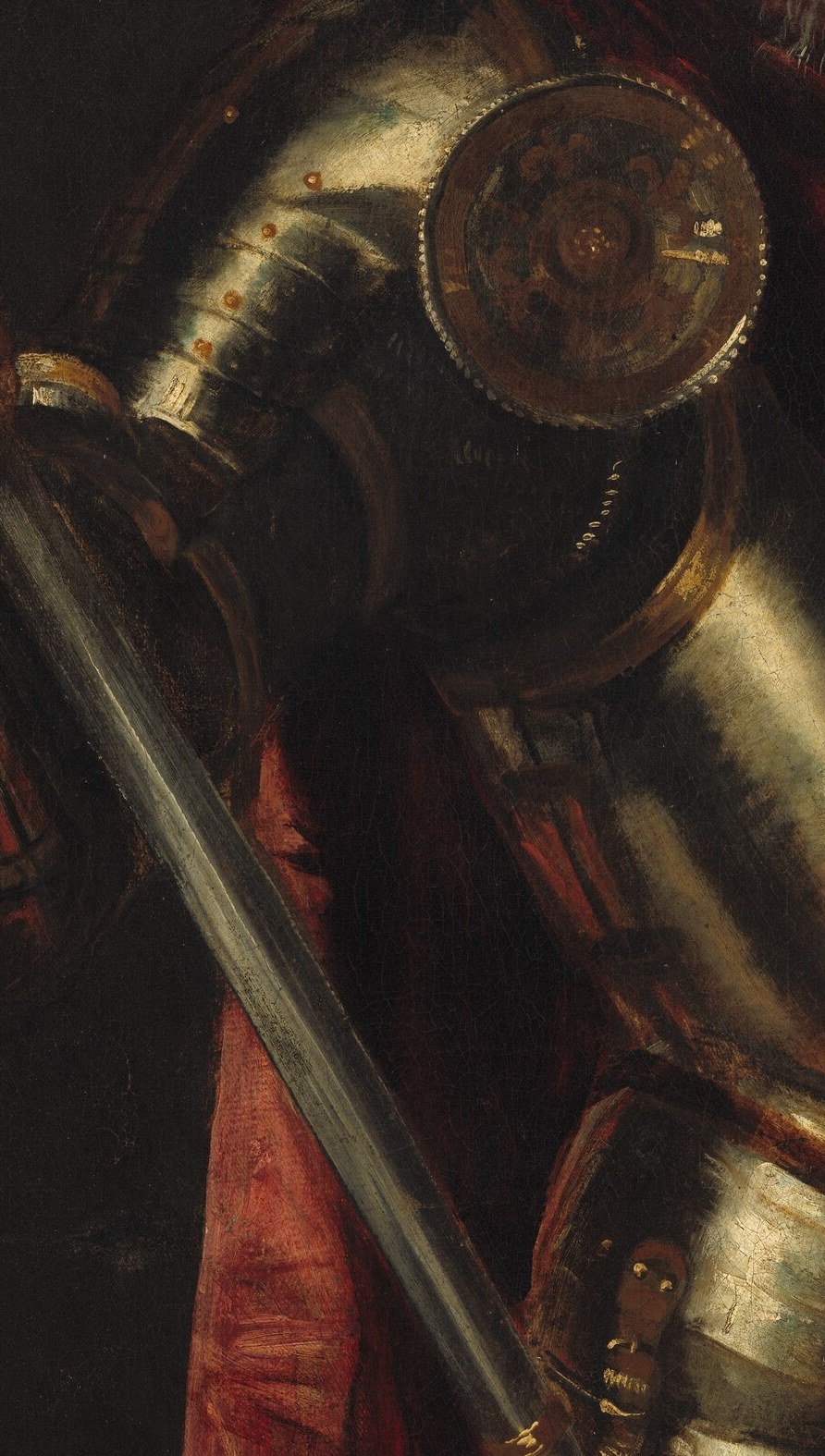
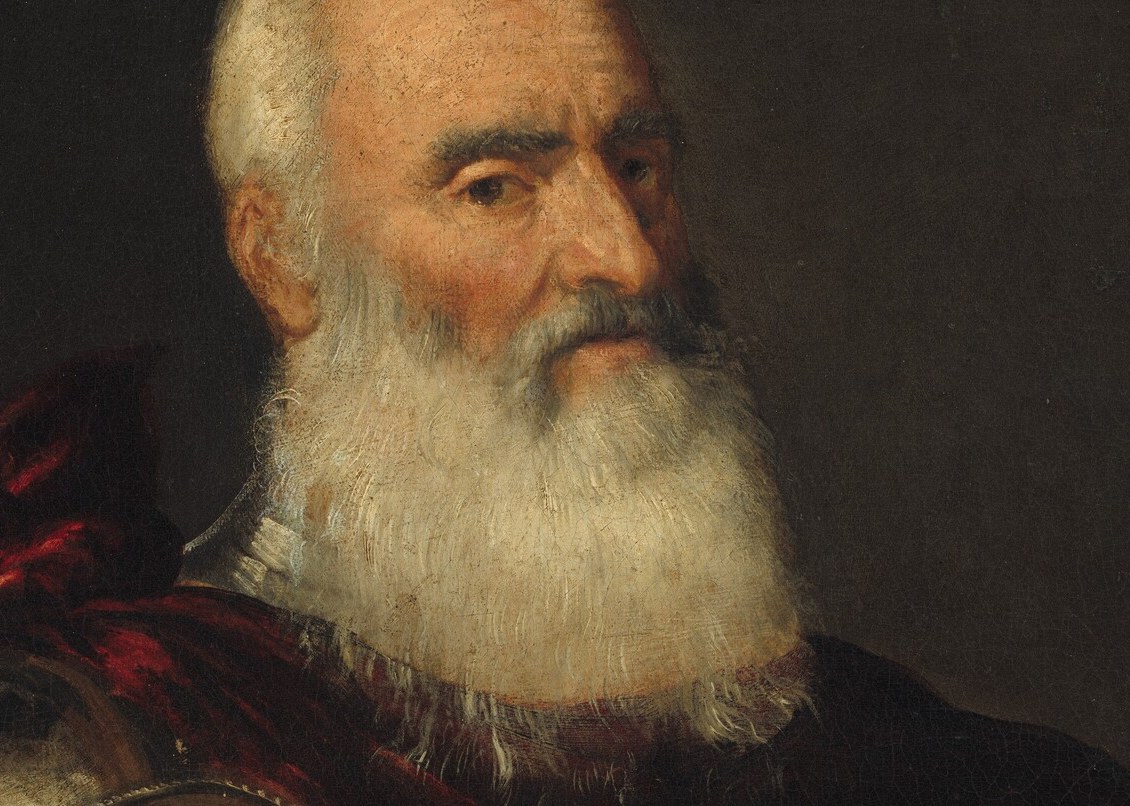
This is Titian's portrait of Vincenzo Cappello, painted around 1550 and now in the National Gallery of Art, Washington. On the surface it is a standard celebration of Venetian military power, the polished breastplate, the commander's baton, the crimson cloak reserved for patricians. But the portrait conceals a scandal.
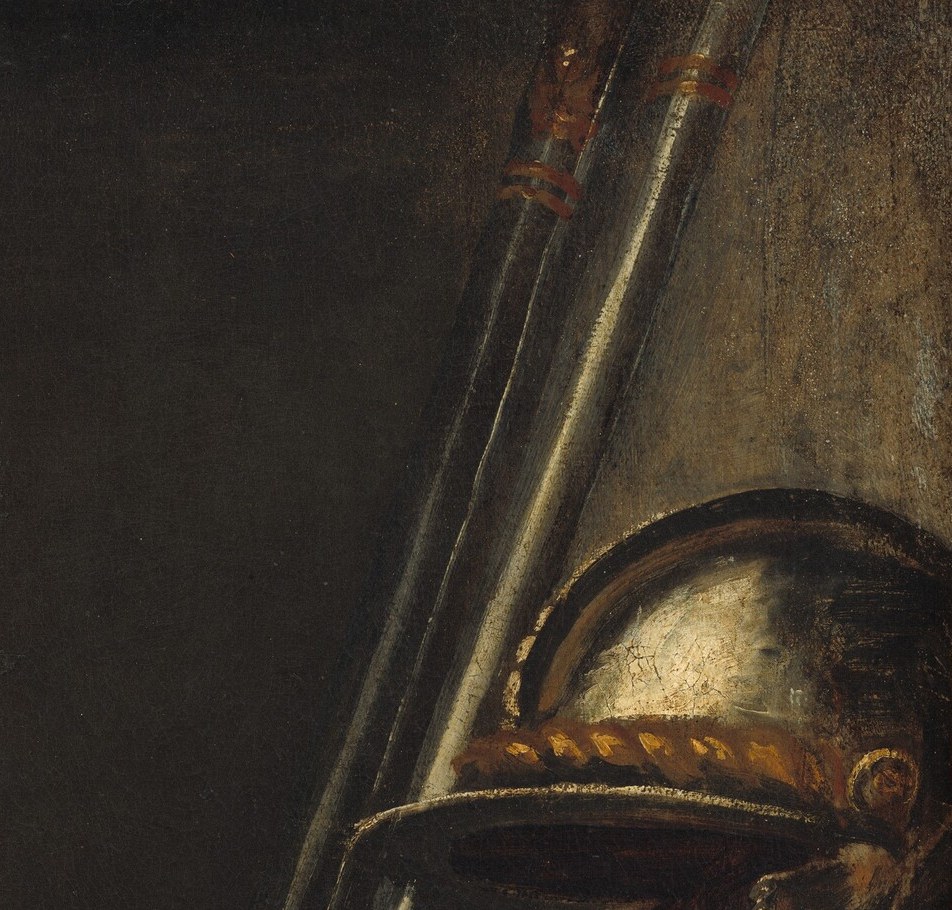
Look past the shining armor. The admiral holds no sword. His helmet rests on a ledge behind him, unworn. In Venetian portraiture, displaced armor was a conventional sign of peace, but here the context turns it into a careful act of erasure. The painting was commissioned after Cappello had lost the critical Battle of Preveza in 1538, a naval rout so damaging that he was blamed for Venice's failure against the Ottoman fleet.
Cappello returned to Venice facing investigation, stripped of real authority. This painting is his response. Titian gives us a man who does not look like he came from a battlefield, he wears a pose of quiet, unbroken command, his armor gleaming as if never touched by combat. The portrait was meant to rebuild what the battle destroyed: his reputation.
That is the real story of this painting: not a man at the height of his power, but one trying desperately to look like it. Do you think the portrait succeeded in changing how people saw him?
Details
Transcript
He looks every inch the victorious admiral. The silver breastplate shines. The crimson cloak announces his rank. But Titian was painting a man in disgrace. Cappello had just lost the crucial Battle of Preveza. A defeat that left Venice humiliated before the Ottoman fleet. So Titian hid the failure in plain sight. The helmet rests behind him. His armor is pristine. This is not a battle portrait. It is a plea for rehabilitation.