Gustavus Hamilton (1710–1746), Second Viscount Boyne, in Masquerade Costume by Rosalba Carriera
View the artwork: Gustavus Hamilton (1710–1746), Second Viscount Boyne, in Masquerade Costume →
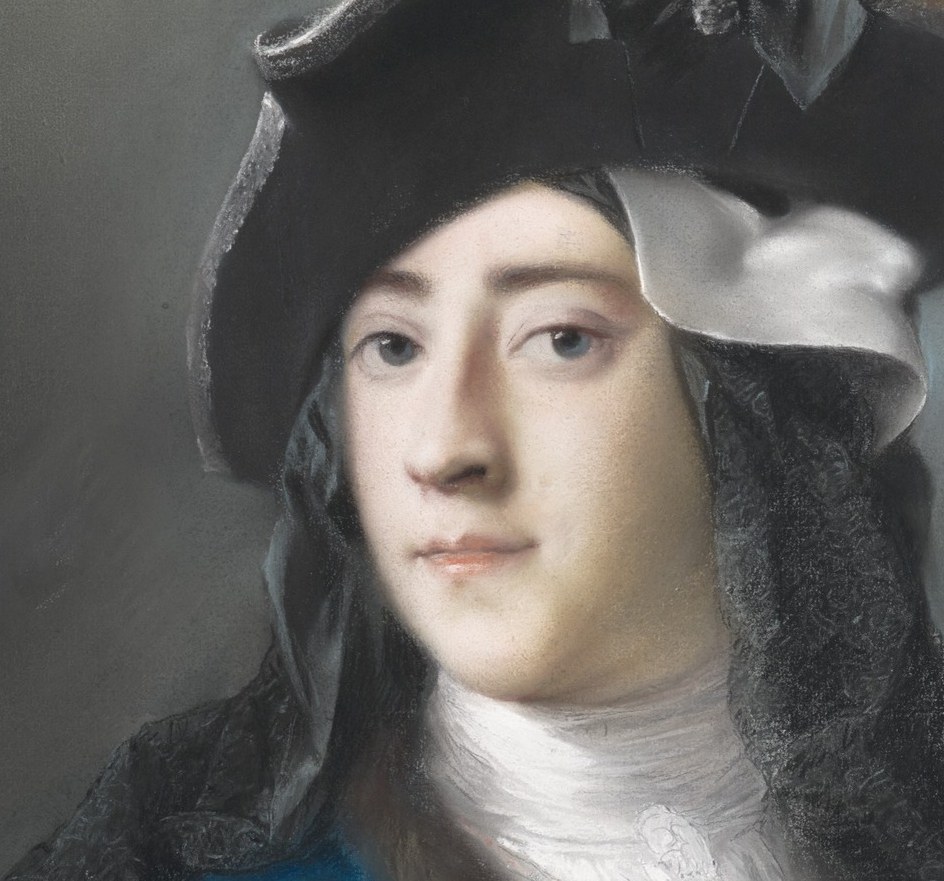
Rosalba Carriera's pastel portrait of Gustavus Hamilton, Second Viscount Boyne, captures a highly specific moment: the winter carnival of 1730-31, when the twenty-year-old Irish nobleman visited Venice expressly to attend the masked festivities. It lives at the Metropolitan Museum of Art, a record of the Grand Tour's intersection with a city built on intrigue.
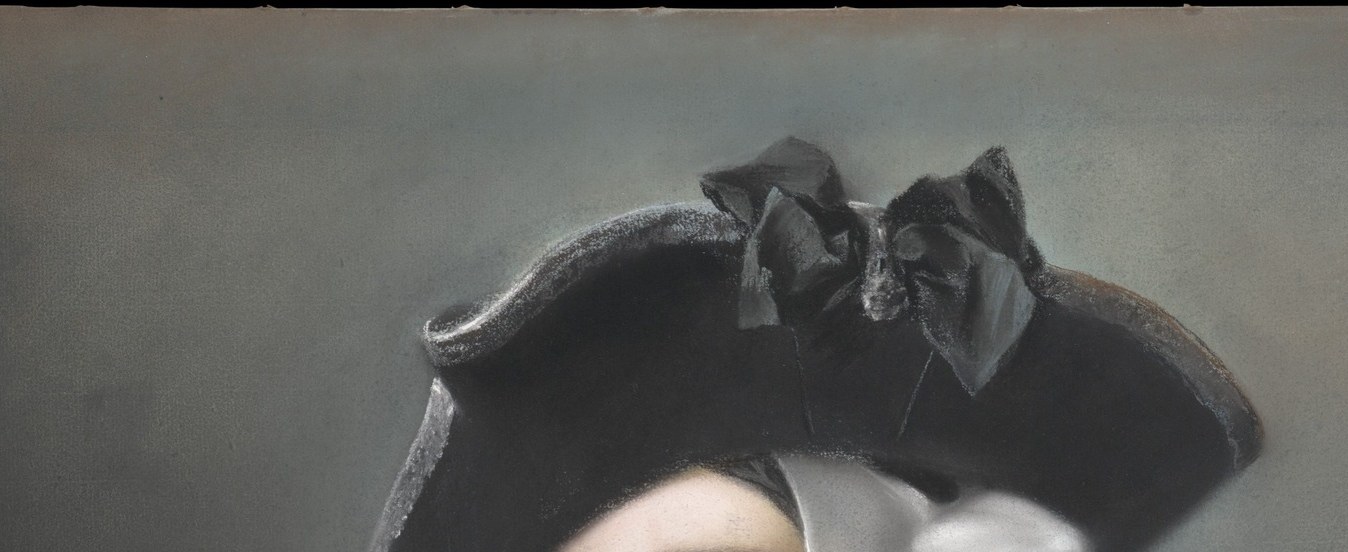
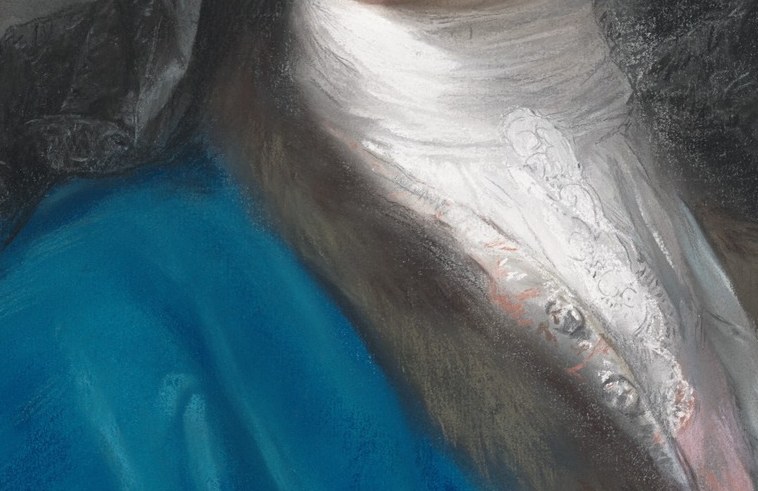
The painting shows Hamilton in the full regalia of a bautta: the black tricorn hat, the lace veil, and the short cape. But look at his hand. Dangling from his fingers is the white mask he has removed. The one element the costume requires to function, to render him anonymous, is the one he chose to set aside for posterity.
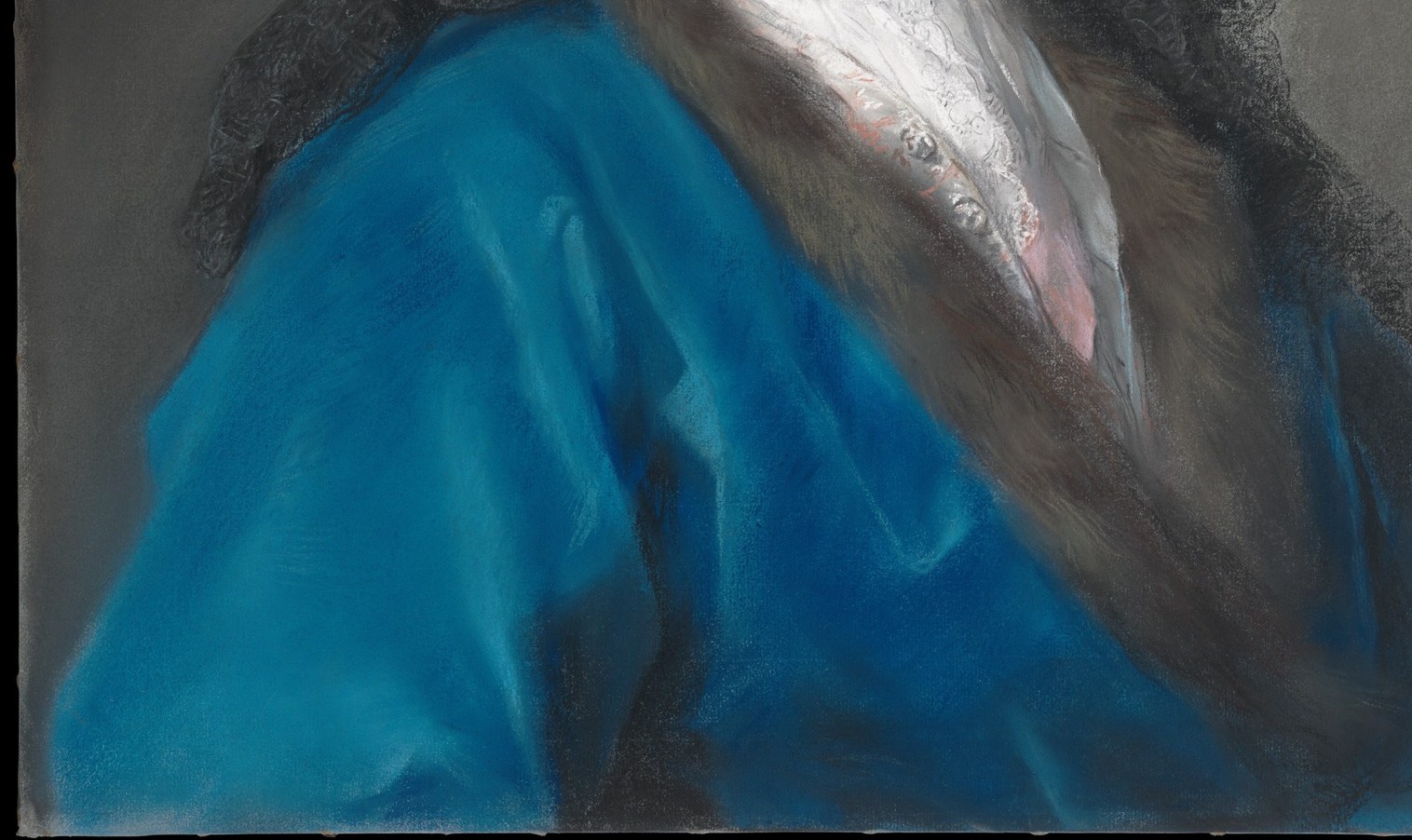
Carriera was the most celebrated pastellist in Europe, admitted to Rome's Accademia di San Luca in 1705. She elevated pastel from a sketching tool to a finished medium worthy of elite patronage, and this portrait's luminous skin and vivid teal coat demonstrate exactly why contemporaries found her technique impossible to imitate.
The painting descended through the Earls of Leitrim in County Kildare before the Met acquired it in 2002. Hamilton's direct gaze reaches across nearly three centuries, a young man asking to be remembered not as a reveler in a crowd, but as himself.
#arthistory #rosalbacarriera #grandtour
Details
Transcript
In 1730, a young Irish nobleman arrived in Venice. His name was Gustavus Hamilton. He was twenty. This is a bautta, the costume of the Venetian masquerade. The black tricorn, the lace at the throat. But a key piece is missing. Look at his hand. The white mask. He holds it, removed. He wears anonymity but chooses to be known to us.