Artwork
Gustavus Hamilton (1710–1746), Second Viscount Boyne, in Masquerade Costume
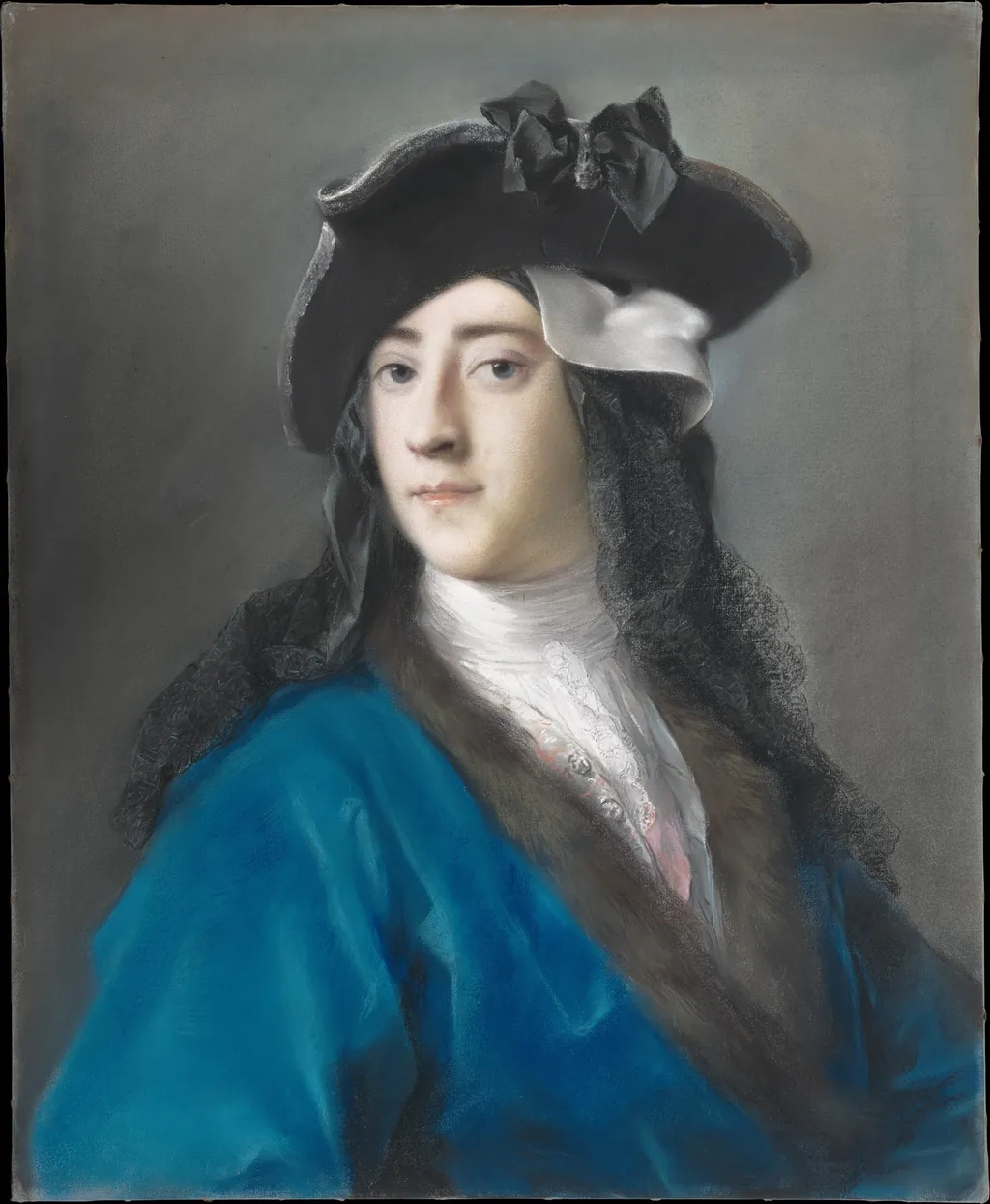
Gustavus Hamilton (1710–1746), Second Viscount Boyne, in Masquerade Costume is an unspecified painting by Rosalba Carriera. It dates from 1730 and is held in the collection of the Metropolitan Museum of Art.
About this work
In the winter of 1730, the twenty-year-old Irish peer Gustavus Hamilton sat for Rosalba Carriera in Venice, wearing the black tricorn, veil, and white mask of a Venetian bautta. The pastel, now at the Metropolitan Museum of Art, catches Grand Tour aristocrats trading their identities for carnival intrigue, rendered in the powdery luminosity that made Carriera Europe's most sought-after portraitist.
Overview
Rosalba Carriera's pastel portrait of Gustavus Hamilton, Second Viscount Boyne, dates from the Venetian carnival season of 1730–31.
Rosalba Carriera's pastel portrait of Gustavus Hamilton, Second Viscount Boyne, dates from the Venetian carnival season of 1730–31. It depicts the twenty-year-old Irish aristocrat in a traditional masquerade costume, known as a bautta. The work exemplifies Carriera's mastery of pastel, a medium she helped elevate to a fine art, and offers a glimpse into the social practices of the Grand Tour intersecting with Venice's festive culture. Its vibrant color and excellent condition contribute to its enduring appeal.
Subject & Meaning
Gustavus Hamilton, then twenty years old, traveled to Venice in 1730–31 specifically to partake in the city's renowned masked festivities, accompanied by Edward Walpole. Carriera captured him in the full attire of a bautta, a customary masquerade ensemble comprising a black tricorn hat, a lace veil, a white mask, and a short cape. This costume allowed members of the aristocracy to move through Venice's ballrooms and social gatherings with a degree of anonymity, fostering intrigue and social freedom.
Technique & Style
Rosalba Carriera was recognized as Europe's foremost pastellist during her lifetime, having been admitted to Rome's Accademia di San Luca in 1705. This portrait demonstrates her revolutionary approach to pastel, transforming it from a preliminary sketching tool into a sophisticated medium for finished works, suitable for elite commissions. The piece is notable for its vivid palette and remarkable state of preservation, showcasing the luminous and delicate qualities Carriera achieved with her chosen medium.
History & Provenance
The portrait entered the collection of the Metropolitan Museum of Art in 2002, identified by object number 2002.22. Its acquisition was made possible through combined contributions from the George Delacorte, Gwynne Andrews, Victor Wilbour Memorial, and Marquand funds. Prior to its arrival in New York, the artwork was passed down through generations of the Earls of Leitrim at Killadoon, County Kildare.
Earlier in its history, it is believed to have been part of the collections of impresario Owen McSwiny and politician Nathaniel Clements.
Context
This painting serves as a significant illustration of the cultural convergence between the Grand Tour and the Venetian carnival. During this period, young European aristocrats undertaking educational journeys often concluded their travels with a visit to Venice, immersing themselves in its famous masked festivities. Carriera's depiction of Hamilton in his anonymous masquerade attire captures the essence of this unique social practice, where identity could be temporarily shed amidst the city's vibrant celebrations.
Own this work as a print
Artist & collection
Artist
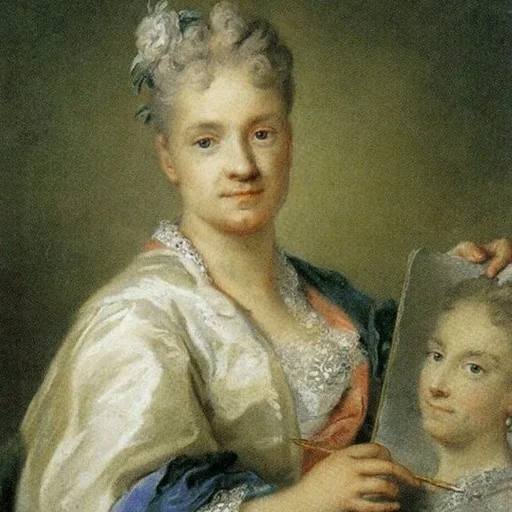
Rosalba Carriera (12 January 1673 – 15 April 1757) was an Italian Rococo painter.

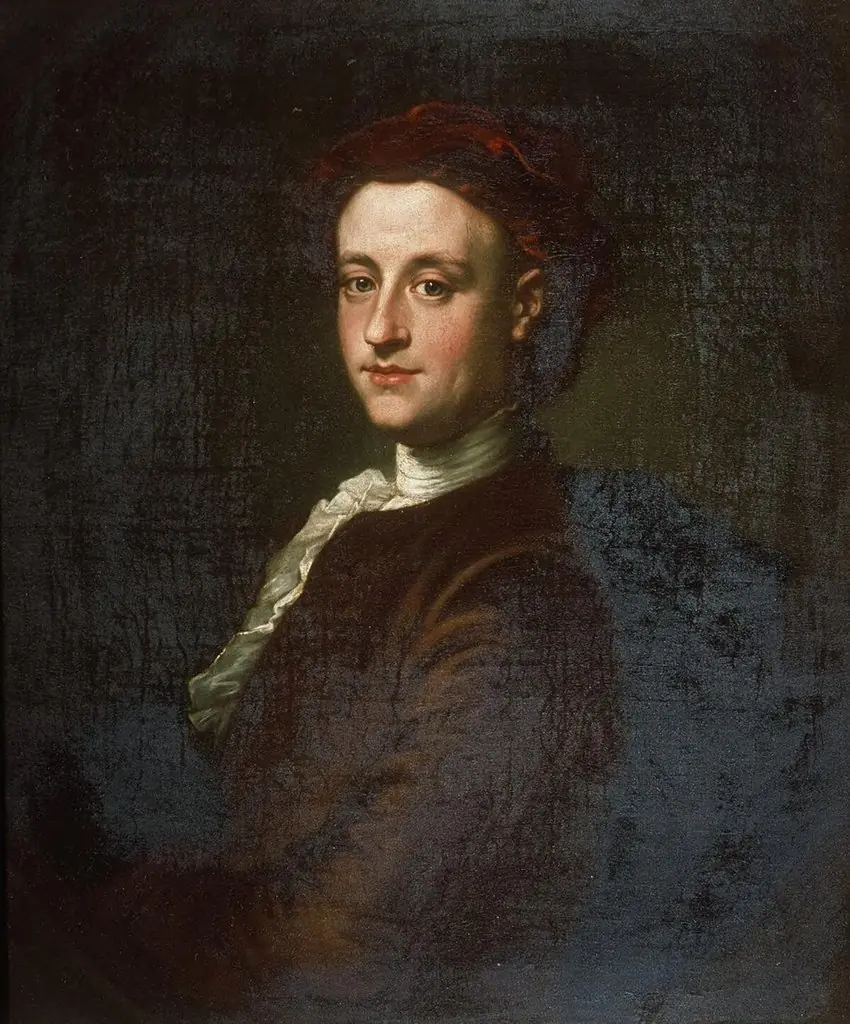
- Portrait of a gentleman in red turban
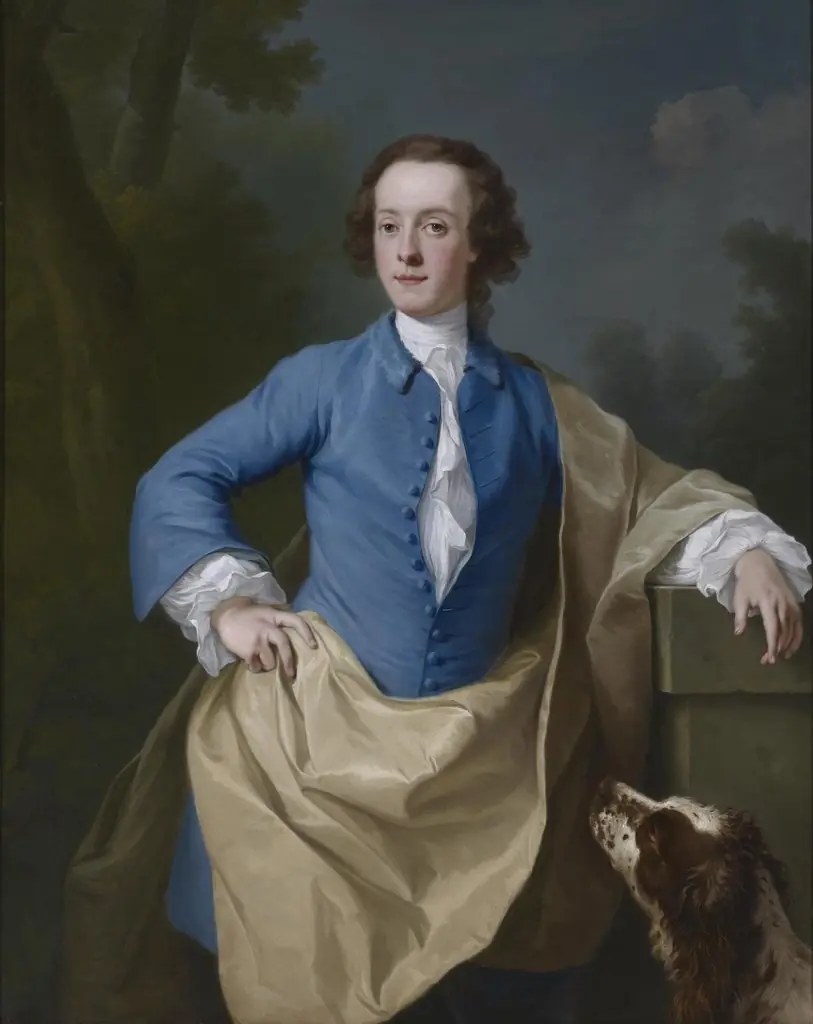 Thomas Barrett-Lennard, 17th Lord Dacre
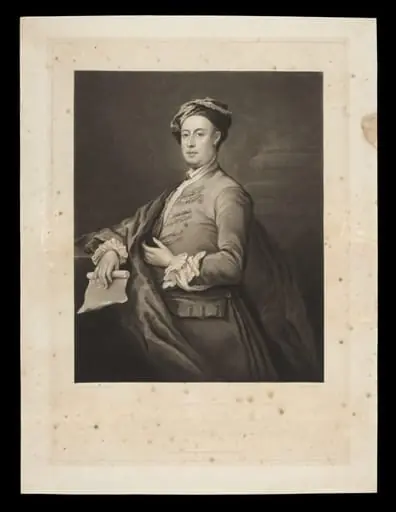 H Beard Print Collection
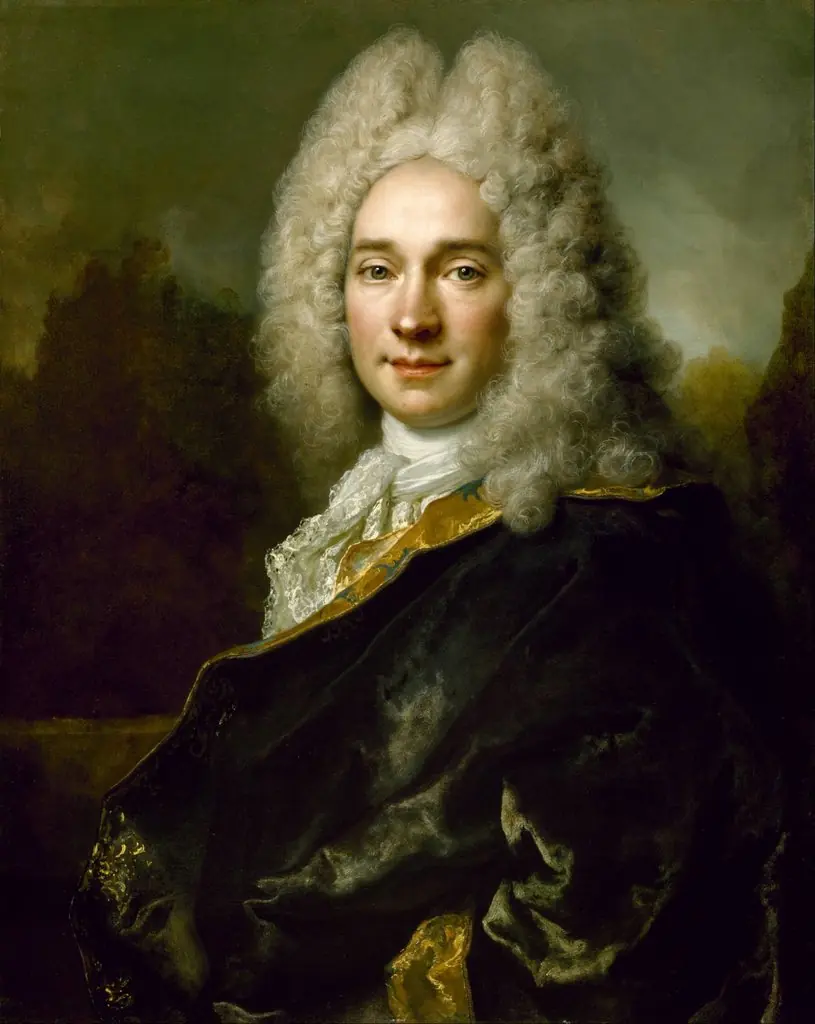 Portrait of Pierre Cadeau de Mongazon (1687–1763)
 Georg II August Kurfürst von Hanover und König von Großbritannien (1683-1760)
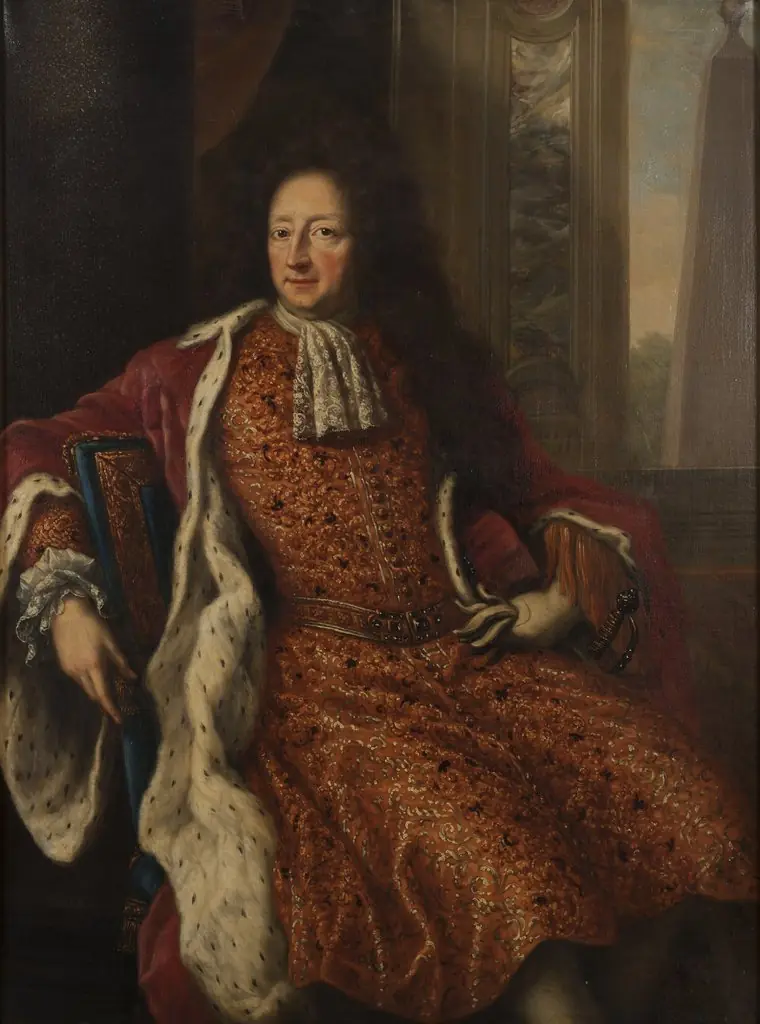 Hans Wachtmeister af Johannishus, 1641-1714
 Bildnis eines Herren
 William Owen, son of Sir Robert Owen
 Self-portrait
 Portrait of a Gentleman
 Portrait of a Nobleman in Armour
 Two Men in Masquerade Costumes: A Cannon Firing and a Cat Inside a Mousetrap