The Agony in the Garden by Titian
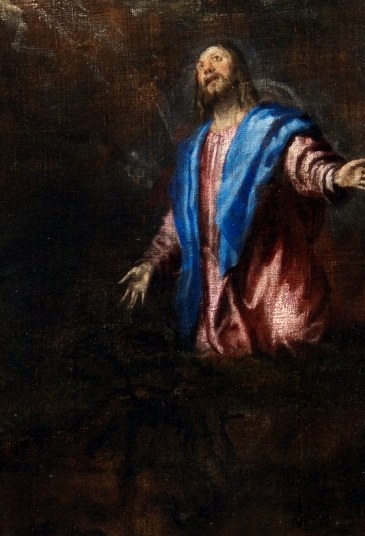
Titian's *The Agony in the Garden* (1558), held at the Museo del Prado in Madrid, captures the intense emotional drama of Christ's final night before his crucifixion. Painted when Titian was around 70 years old, this work demonstrates his mastery of religious narrative and his innovative use of color and chiaroscuro.
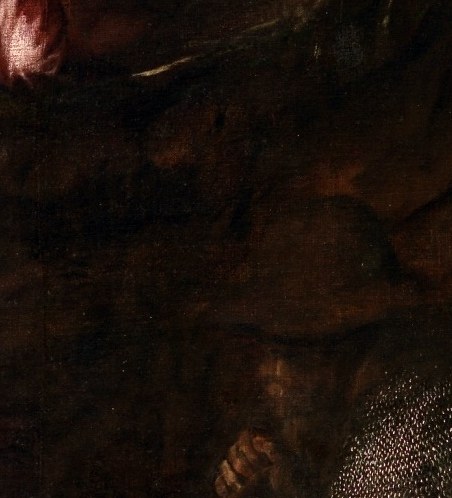
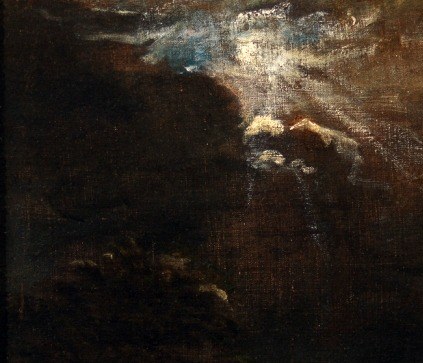
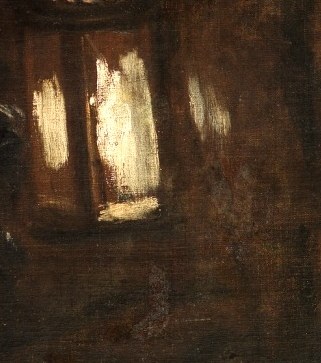
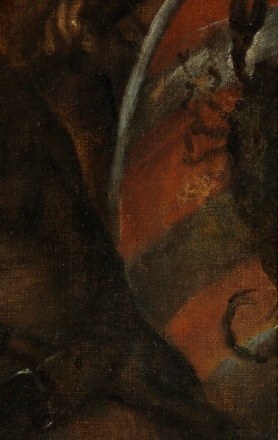
The painting shows Christ in deep anguish, illuminated by a divine light, while his apostles sleep nearby, oblivious to the impending betrayal. In the darkened background, Titian subtly reveals the approaching mob, with a glint of armor and the soft glow of a lantern.
Titian, one of the most important artists of the Italian Renaissance, was a leading figure of the Venetian school. His work profoundly influenced later generations of Western artists, especially in his application and use of color. This piece reflects the Mannerist tendencies of the late 16th century, moving from High Renaissance harmony to a more expressive style.
The contrast between divine light and human frailty, vigilance and slumber, makes this a powerful and enduring image.
Details
Transcript
It is 1558. The night before a betrayal. Christ pleads with heaven, in anguish. His apostles sleep, unaware of what is coming. Titian used dramatic light and shadow for intensity. Look closely: the mob approaches through the dark. A glint of armor, a shield, a spear. This painter, Titian, was 70 when he painted this.