The Call by Paul Gauguin
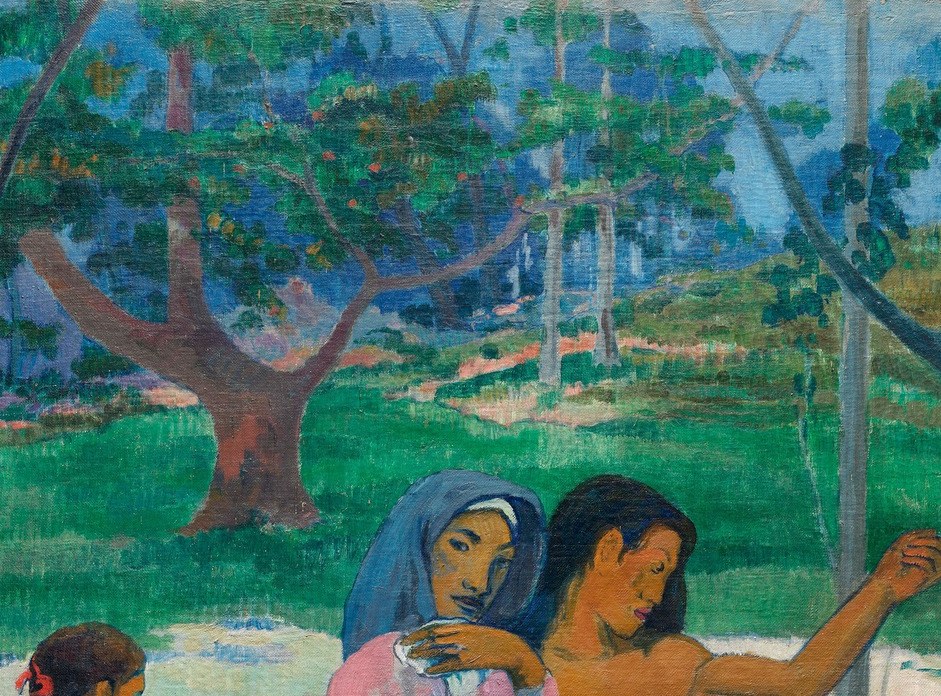
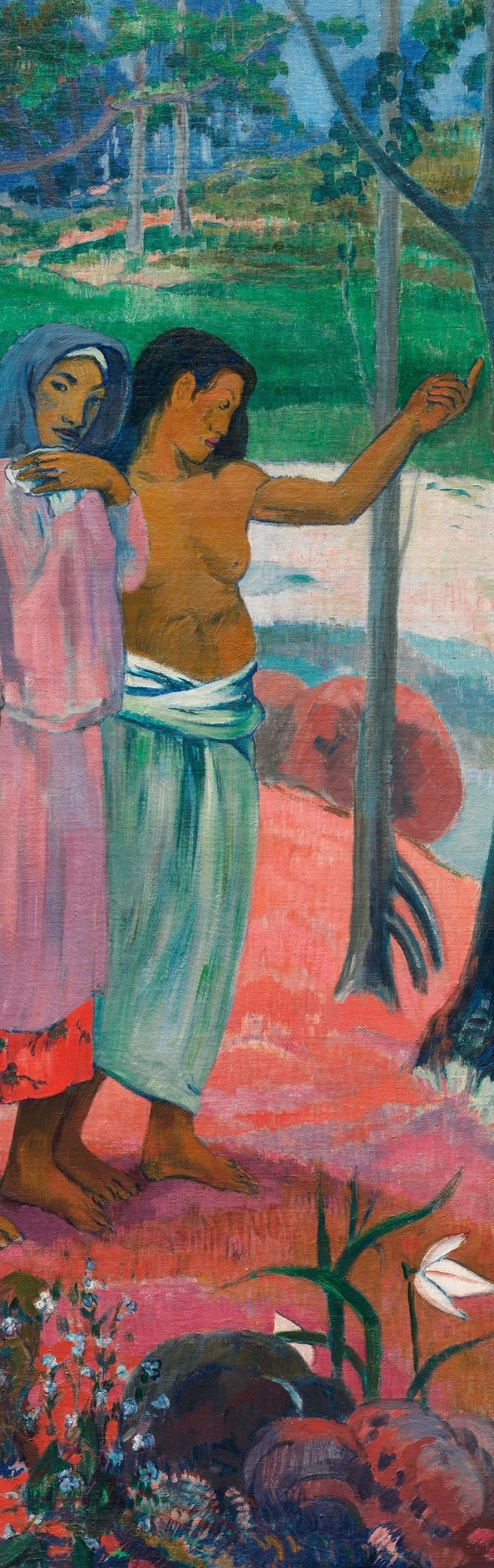
The Call is one of Paul Gauguin's last paintings. He made it in 1902, in the Marquesas Islands of French Polynesia, a year before his death. It hangs now at the Cleveland Museum of Art, an ocean away from where it was born.
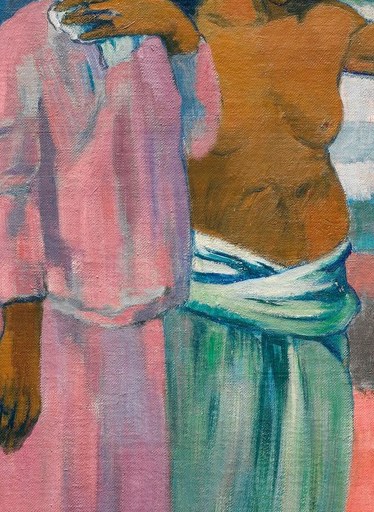
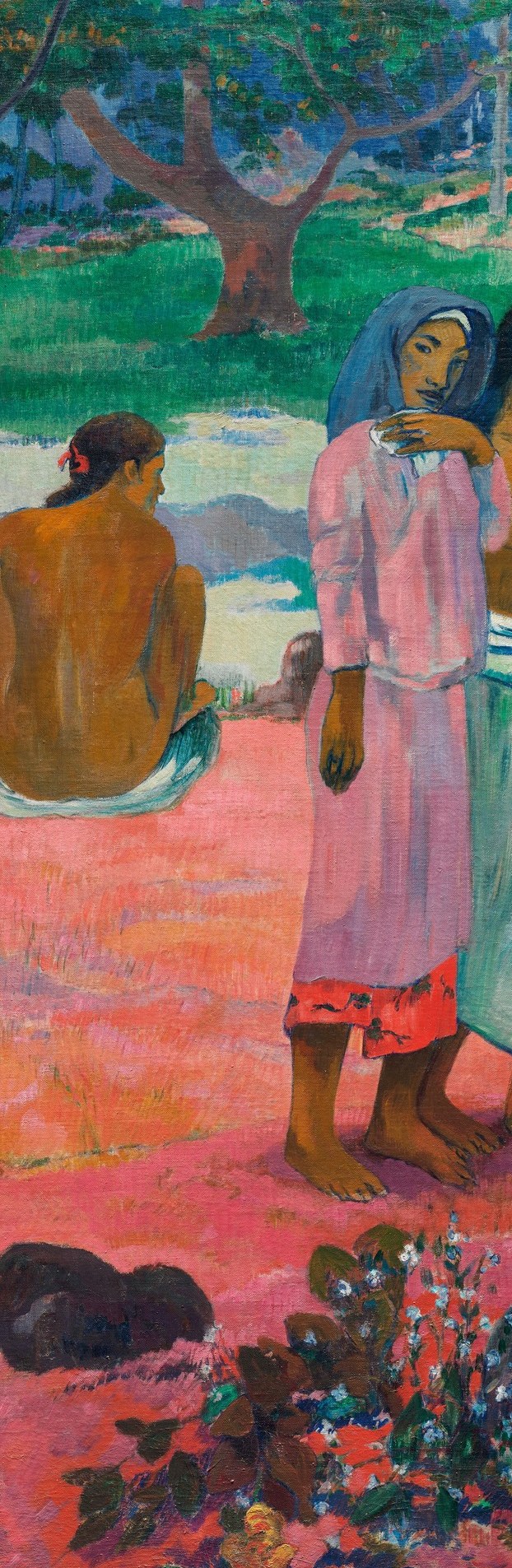
Look at the right figure's extended hand. That gesture is not Polynesian, Gauguin took it directly from the Parthenon friezes in Athens. He embedded a fragment of classical Greece into a Tahitian landscape, bridging two worlds he loved but never fully belonged to. The central woman, dressed in blazing white, keeps her eyes down. She doesn't answer.
Gauguin was 54 and in failing health when he painted this. He had left France for good, chasing an ideal of unspoiled life and art. What he found was complex, and he kept working through illness and isolation. The seated man with his back turned, the silent central figure, the one extended hand, the painting feels like a question no one quite answers.
Is she calling someone into the picture, or out of it? The suspense is the point.
Details
Transcript
He painted this a year before he died. Far from France, in the Marquesas Islands. She calls out to someone. But look at her hand. That gesture comes from the Parthenon friezes. Ancient Athens, carried to a Polynesian village. And the woman beside her does not respond. Gauguin died alone, far from home, still painting.