Portrait of a Young Girl by Courbet, Gustave
Gustave Courbet’s 'Portrait of a Young Girl,' painted in 1857, exemplifies the artist's dedication to Realism, a movement that challenged the idealized forms of academic art. This oil on canvas, housed in a private collection, shows Courbet's commitment to depicting subjects as they truly appeared, without embellishment.
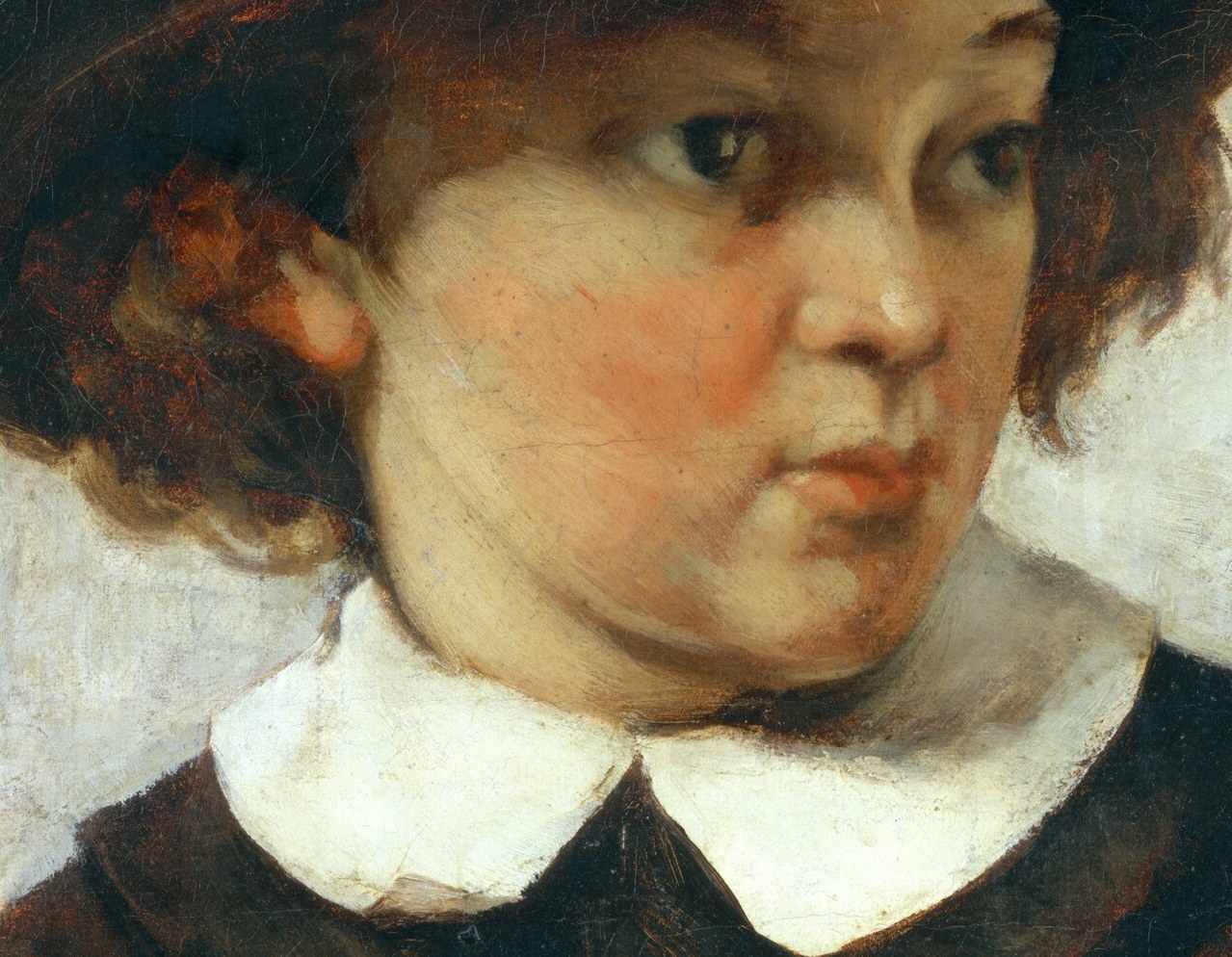
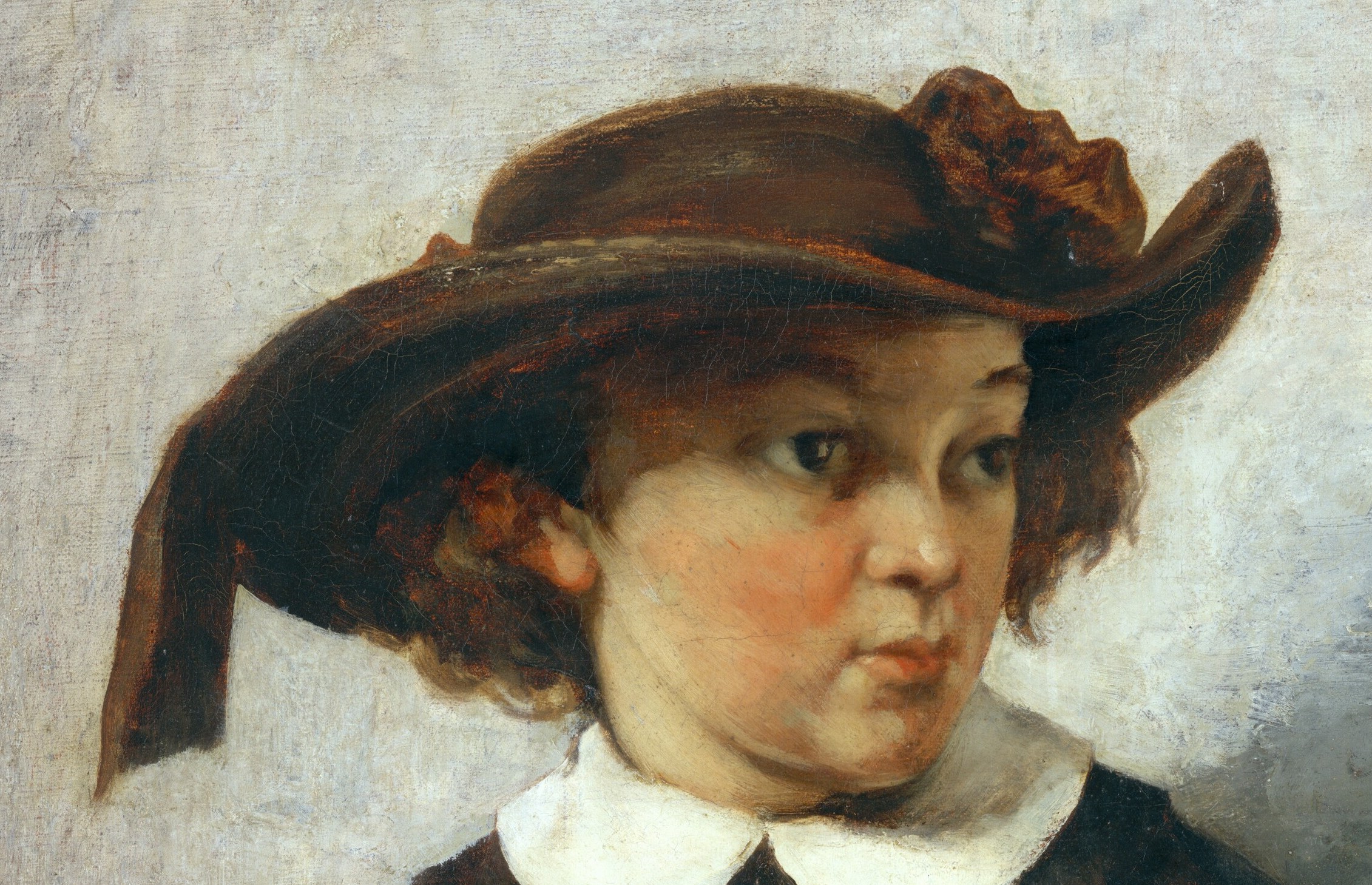
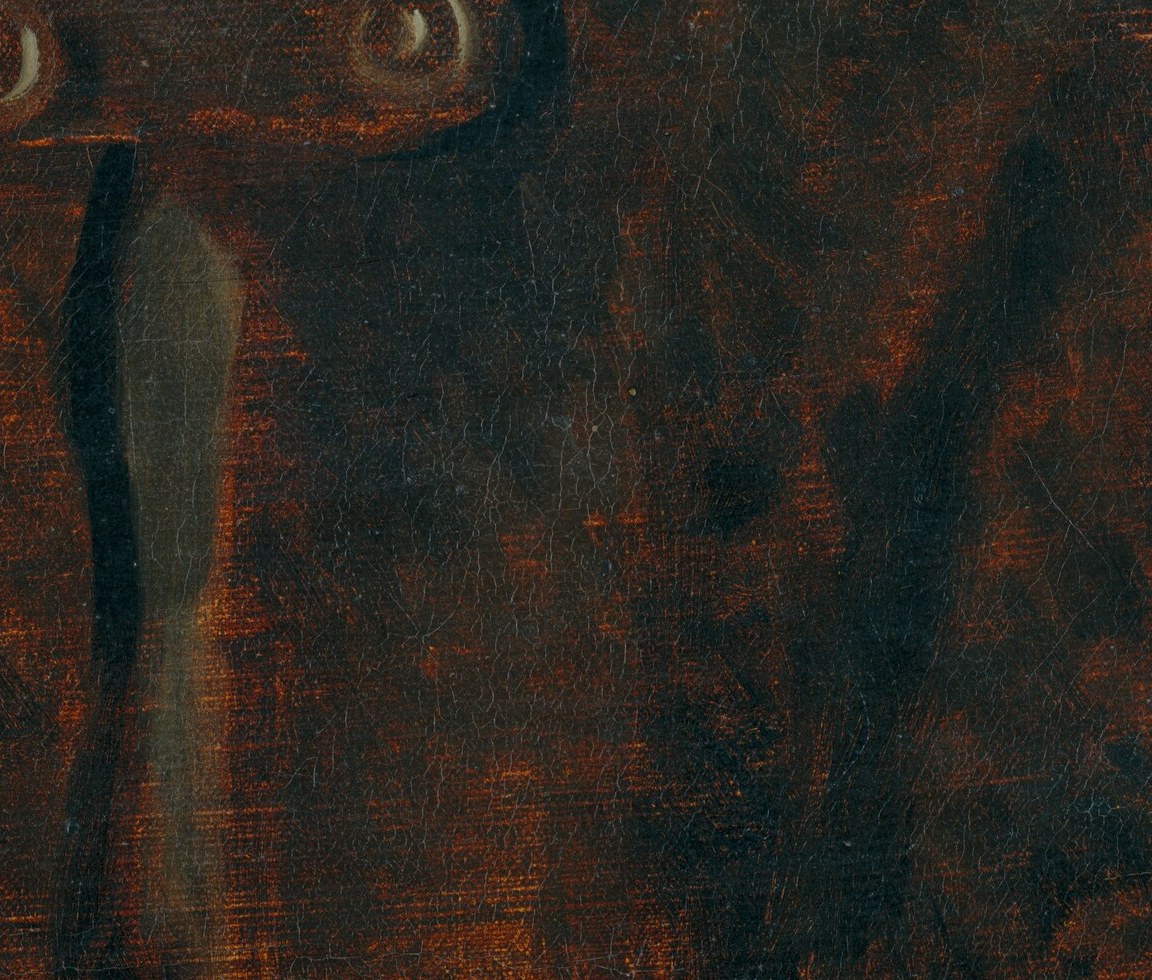
Look closely at the rendering of the girl's face and hat. Courbet meticulously captures the play of light on her rosy cheeks and the texture of her wide-brimmed hat, created with visible, unblended brushstrokes. The rough, almost tactile quality of the dark fabric in her dress is another hallmark of his style, where paint itself becomes a medium for conveying material reality.
Courbet, a leading figure of 19th-century French Realism, rejected traditional artistic conventions in favor of direct observation. His approach profoundly influenced later artists, including the Impressionists, who also sought to capture the fleeting moments of everyday life. He insisted on painting only what he could see, making bold statements through his depictions of ordinary people and scenes.
What do you notice about the way Courbet uses brushstrokes to create different textures in this portrait?
Details
Transcript
This painter rejected idealized subjects. He painted what he saw, directly from life. Notice the subtle light on her cheek and nose. See how brushstrokes build the rough texture of her hat. Courbet made the paint itself feel like fabric. This was Realism: a radical new way of painting.