White Mules on a Bridge by Anne Goldthwaite
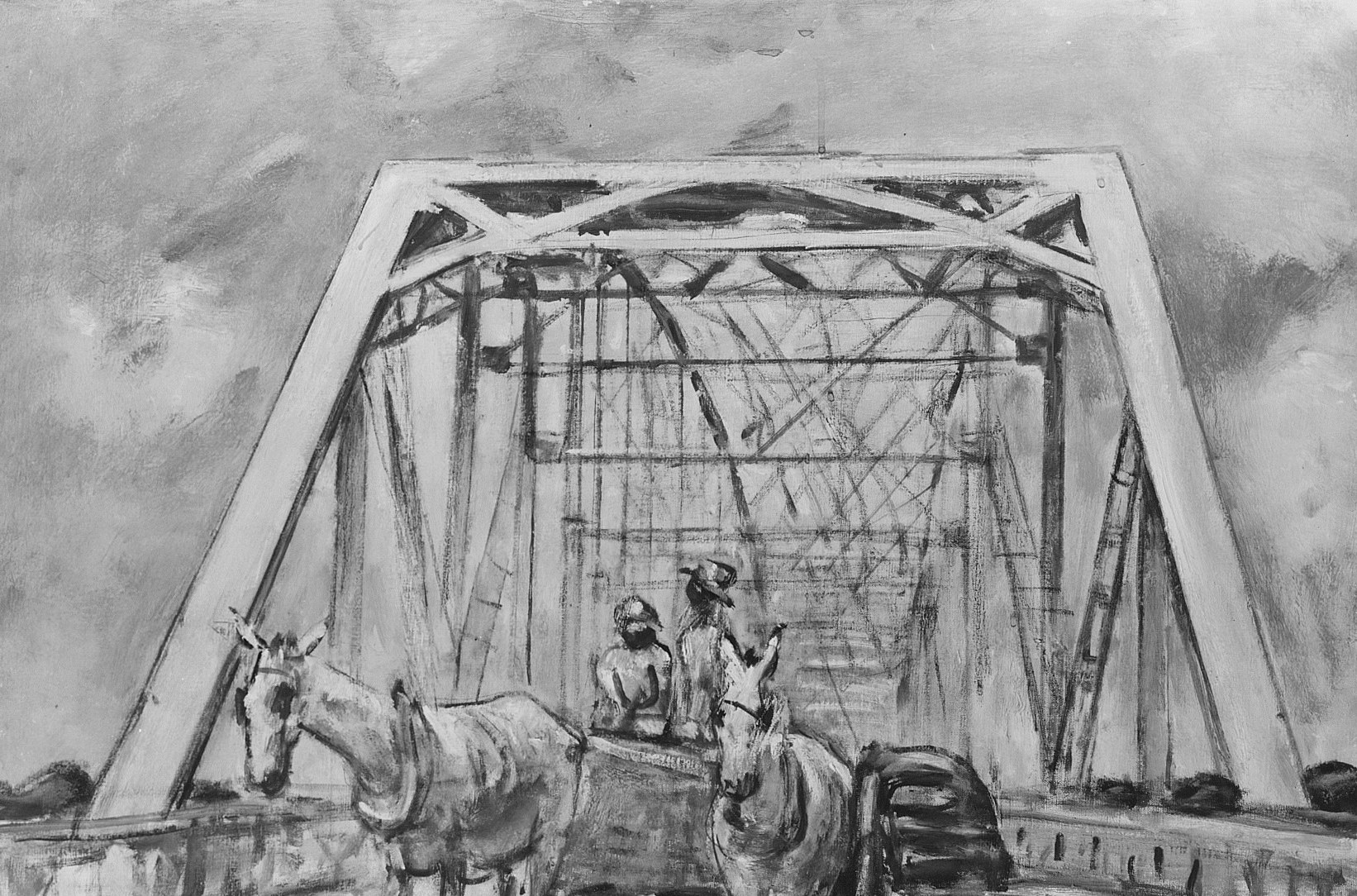
Anne Goldthwaite's White Mules on a Bridge (1935) should not exist. The oil painting hanging in the Metropolitan Museum of Art is a literal survivor of a highway disaster.
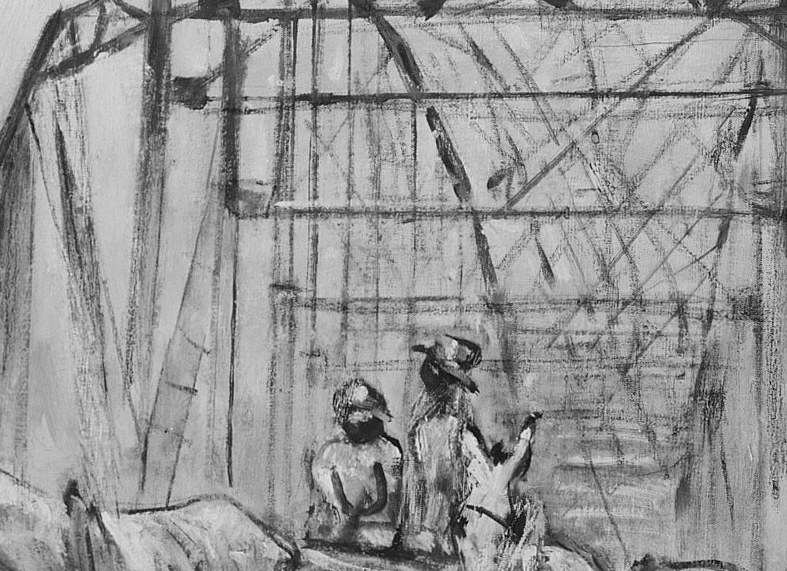
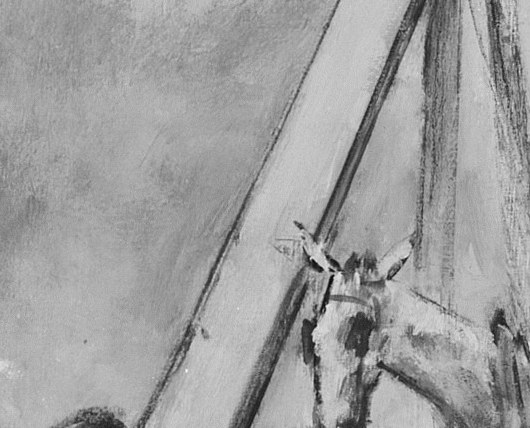
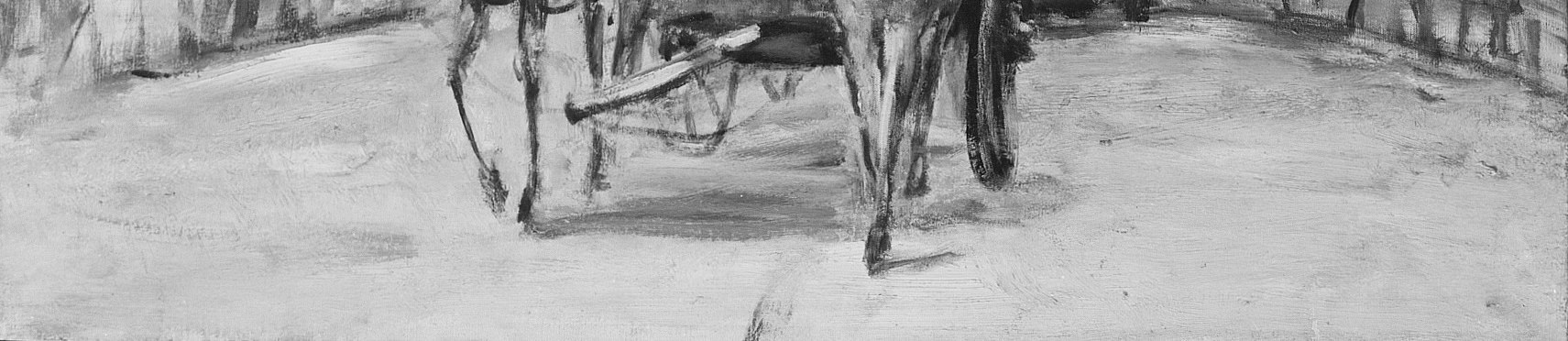
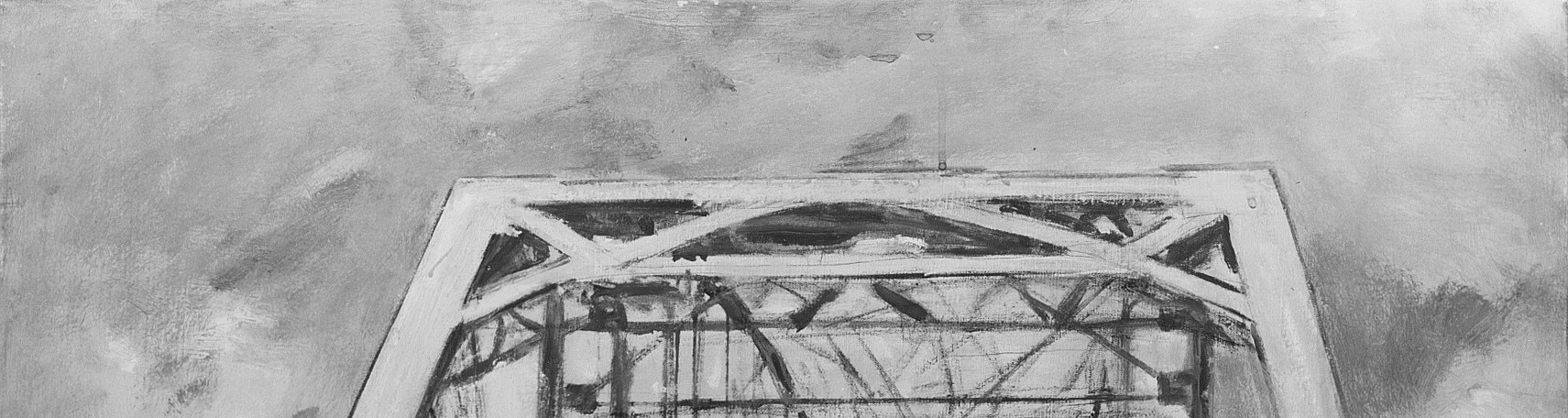
Look past the loose, vigorous brushwork. Goldthwaite paints a pair of white mules and two drivers hauling a cart across a massive steel truss bridge. The bridge's iron cross-bracing dwarfs the figures, creating a stage where rural labor meets industrial infrastructure. The left mule turns its head directly toward the viewer, giving the animal a stubborn, living presence amid the geometry of the bridge.
Goldthwaite was an Alabama-born painter who studied in Paris with the modernists. She exhibited alongside Henri Matisse and Gertrude Stein, bringing Fauvist energy back to distinctly American subjects. In the 1930s, she shipped a large group of her works north for an exhibition. The moving truck crashed en route. Many canvases were torn, smashed, or destroyed entirely.
White Mules on a Bridge survived the wreck, though its stretcher and surface bear the memory of the impact. The painting you see in the Met today is not just an image of transit. It is a transit object that almost didn't arrive.
Details
Transcript
A team of mules pulls a heavy wagon. Drivers sit low on the cart, hauling goods. They cross a monumental steel truss bridge. The painter was a Southerner who studied with Matisse. But a tragedy struck before this canvas even dried. The moving truck carrying her life's work crashed. Many paintings were destroyed. This one survived. Now the bruised canvas hangs in the Met.