The Large Bouquet by Séraphine Louis
Séraphine Louis, a self-taught French artist known as Séraphine de Senlis, created *The Large Bouquet* around 1907. This vibrant oil painting, now at The Metropolitan Museum of Art, exemplifies her unique style within the naive art movement. Her deep religious faith and personal visions were central to her artistic process.
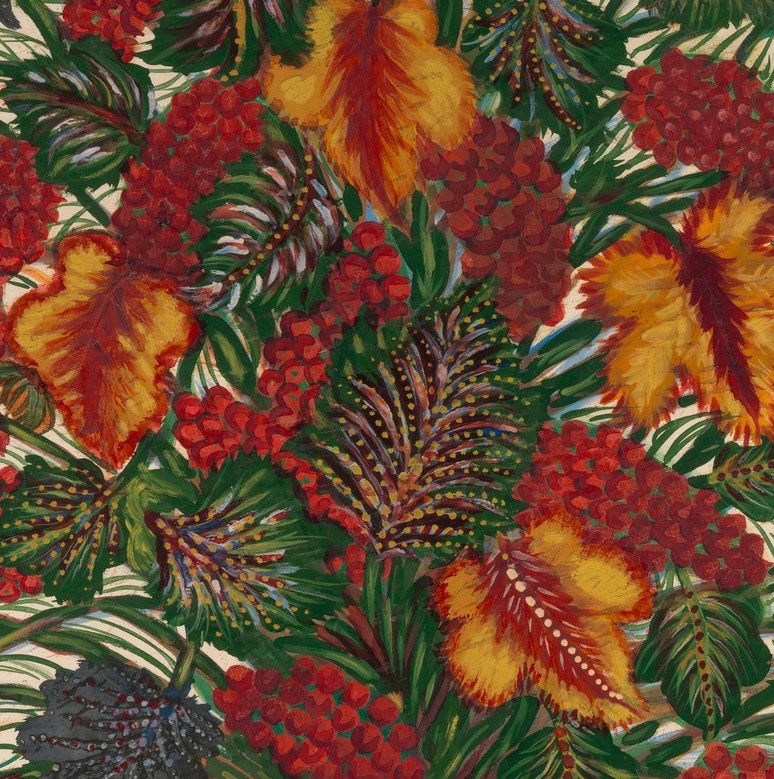
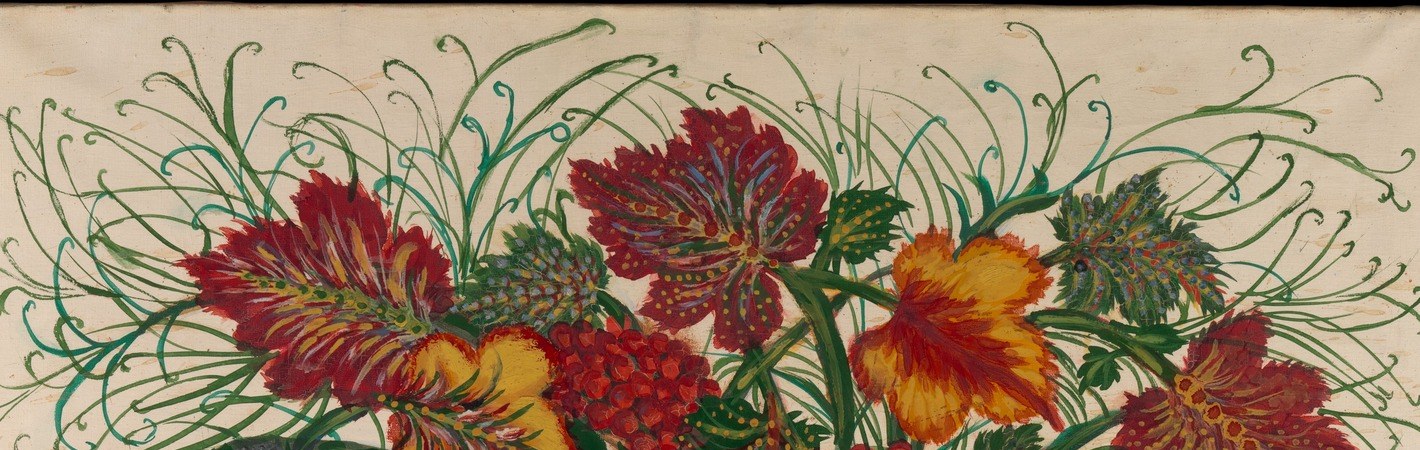
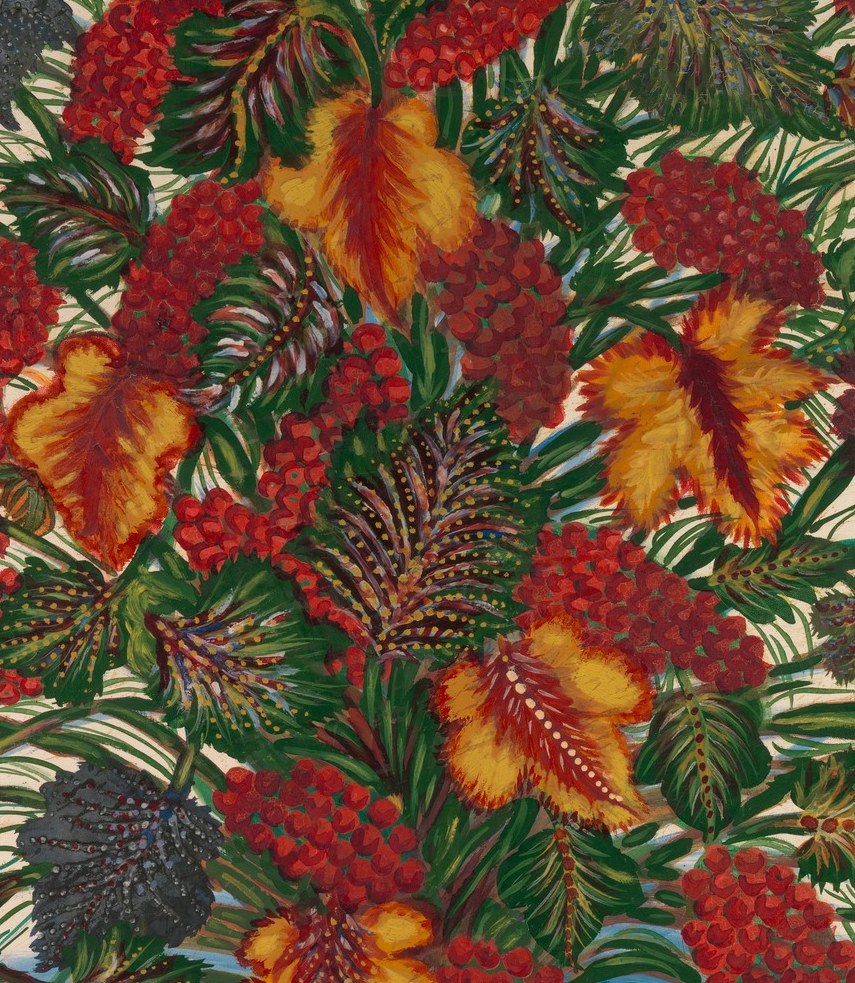
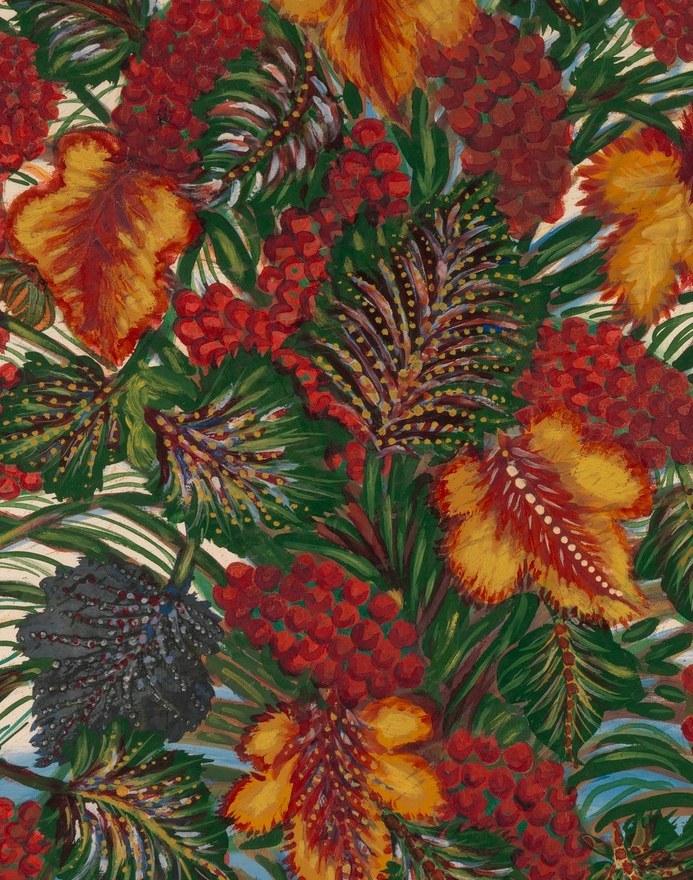
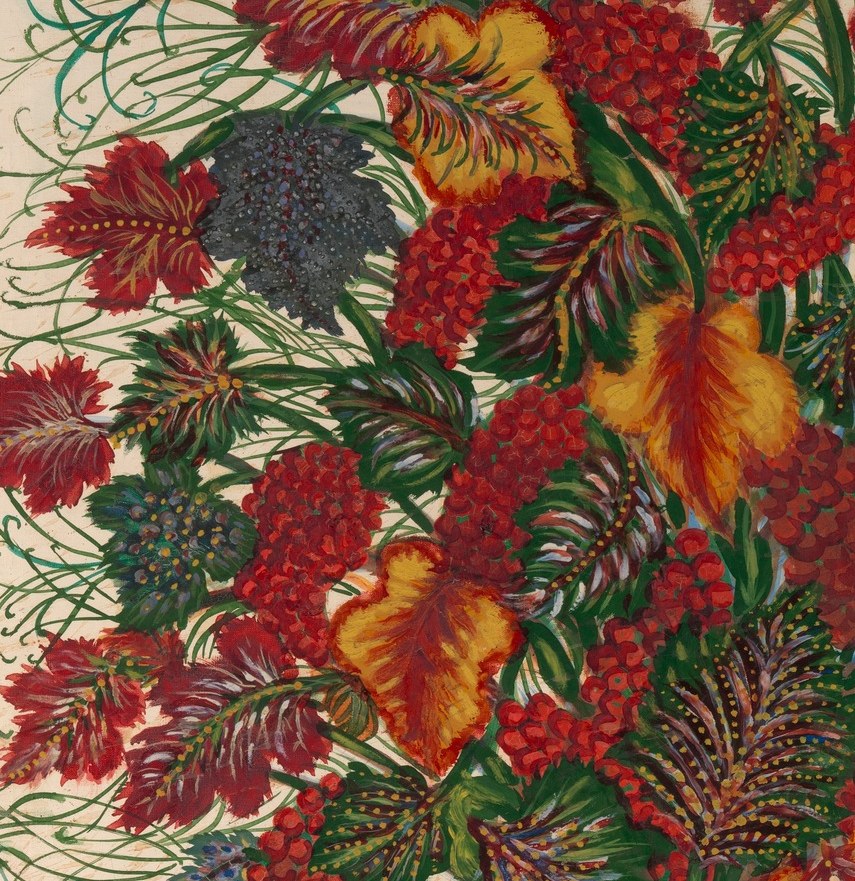
Notice the intricate detail of the leaves, grapes, and berries. The spiraling green tendrils are a distinctive feature found in many of her works, adding a dynamic energy to the composition. The glowing, almost jewel-like quality of the foliage is often compared to stained-glass windows, a significant source of inspiration for Louis.
Séraphine Louis worked as a housekeeper and began painting in secret, using unconventional materials she made herself. She was discovered by German art collector Wilhelm Uhde, who became her patron. Despite her eventual success, her life was marked by hardship, including mental illness, and she spent her final years in an asylum.
Her work is a testament to the power of self-expression and spiritual conviction, creating a visual language entirely her own. What hidden details do you notice in her meticulously rendered forms?
Details
Transcript
This painting was made by a self-taught housekeeper. She believed these forms were inspired by divine visions. Look closely at the spiraling green tendrils at the top. These calligraphic lines are her signature flourish. Her work often echoes the stained-glass windows she saw in church. Each detail is painted with an obsessive precision.