Et gadekær. Maglebylille by Theodor Philipsen
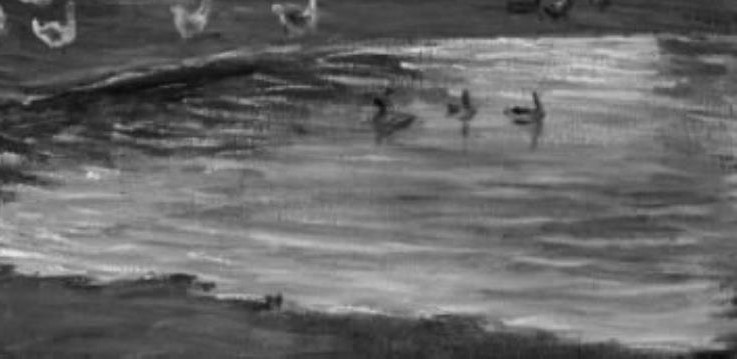
Et gadekær. Maglebylille, painted by Theodor Philipsen in 1903, captures a profound sense of quiet contemplation in a rural Danish village. Philipsen, a Danish artist of Jewish heritage, was known for his landscapes and animal studies. This work exemplifies his Post-Impressionist style, characterized by loose brushwork and an emphasis on mood.
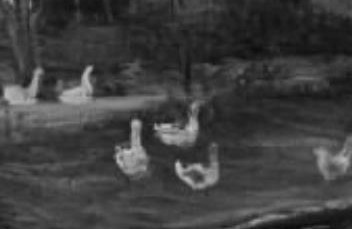
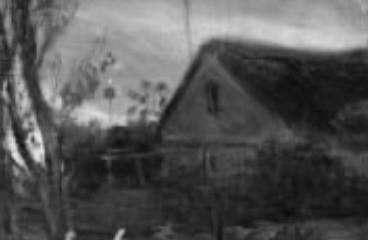
Look at the solitary figure by the road, his posture suggesting a moment of quiet waiting or reflection. The ducks gathered on the bank and the placid village pond create a scene of serene coexistence between nature and human life. Notice the rustic thatched-roof house and the tall tree, anchoring the composition in a timeless landscape.
Created in 1903, this painting reflects a specific period in Philipsen's career and Danish art history. It now resides in the Statens Museum for Kunst, a testament to its enduring artistic merit. The painting evokes a feeling of peaceful stillness, inviting viewers to ponder the quiet moments of everyday life.
What emotions do you feel when observing this scene of rural tranquility?
Details
Transcript
He stands alone by the village pond. Ducks gather peacefully on the bank. The painter was of Jewish ancestry. Brushwork is loose and expressive here. This quiet scene is from 1903. His gaze rests on the water's reflection.