The Third Duke of Dorset's Hunter with a Groom and a Dog by George Stubbs
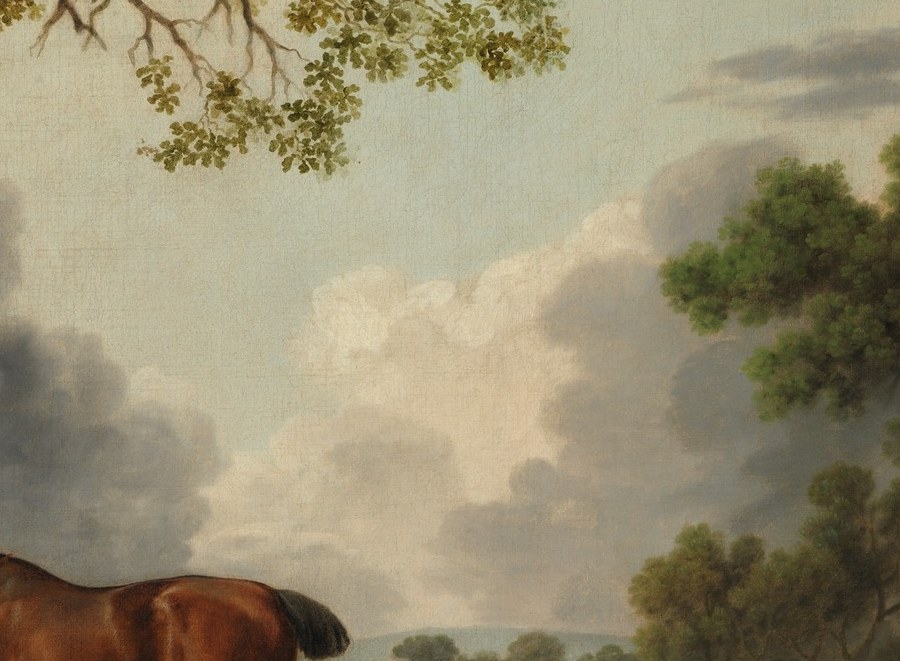
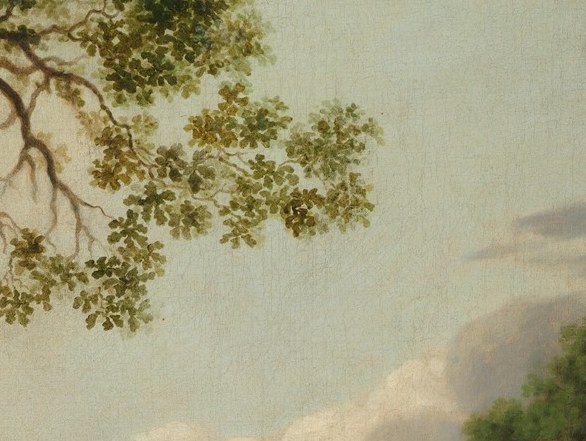
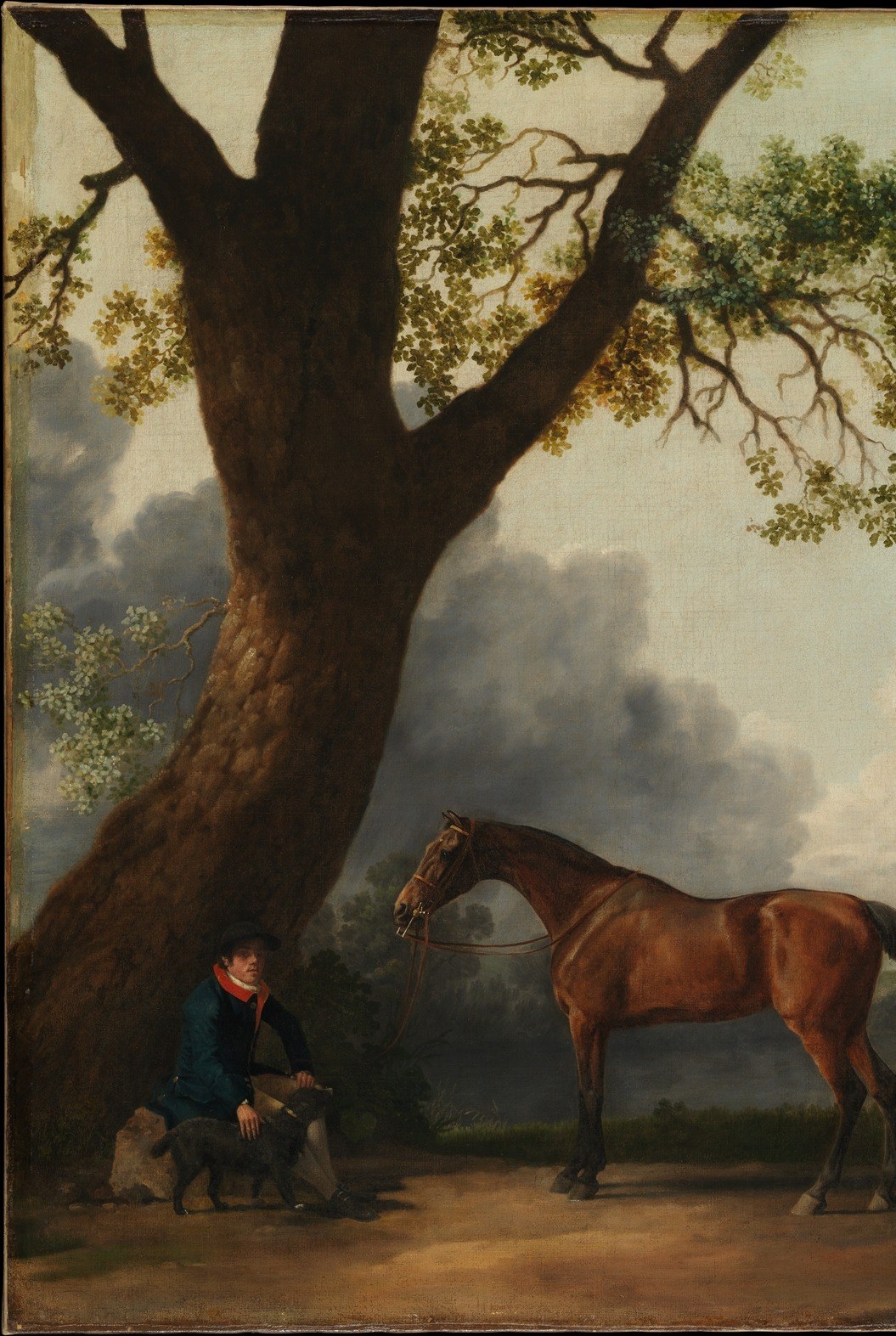
This is George Stubbs's The Third Duke of Dorset's Hunter with a Groom and a Dog, painted in 1768 and now housed at the Metropolitan Museum of Art. It is a masterpiece of equine portraiture and a quiet document of who mattered enough to be named in 18th-century Britain.
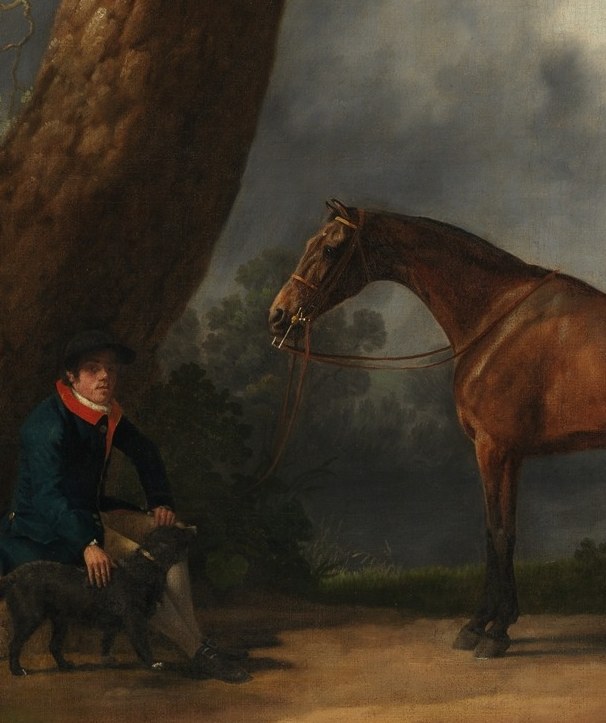
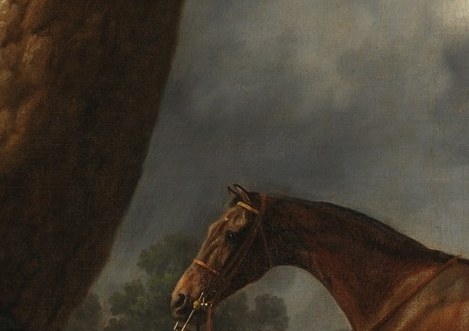
The painting centers on a beautiful bay hunter, her coat gleaming in the soft English light. Look closely at her head and eye, Stubbs has painted her as an individual, not a type. The pricked ear and calm eye encode temperament and breeding, qualities the Duke paid handsomely to preserve on canvas. Beneath her stands a groom in dark livery, a small spaniel at his feet, and an enormous ancient oak anchoring the left side of the composition.
The Duke commissioned this work to celebrate his bloodstock. Stubbs, largely self-taught, achieved his anatomical precision by dissecting horses himself and publishing The Anatomy of the Horse the same year as this painting. His scientific rigor is visible in every tendon and muscle beneath that chestnut coat. The horse was a named, valued asset of a great estate. The groom, like thousands of servants on aristocratic lands, was listed by his function alone.
Stubbs quietly grants the groom something rare: his face turns outward toward us in direct address, a weathered human presence in a painting otherwise about property. It is a small, radical gesture inside a commission designed to celebrate lineage and land.
Details
Transcript
An English Duke wanted his best horse immortalized. So in 1768 he hired the finest horse painter alive. George Stubbs painted every muscle from dissection. He gave her a portrait within the portrait. And then he painted the man holding the reins. The catalog records the horse’s name: a bay hunter. The man is listed only as: a groom.