Arabs Crossing a Ford by Eugène Fromentin
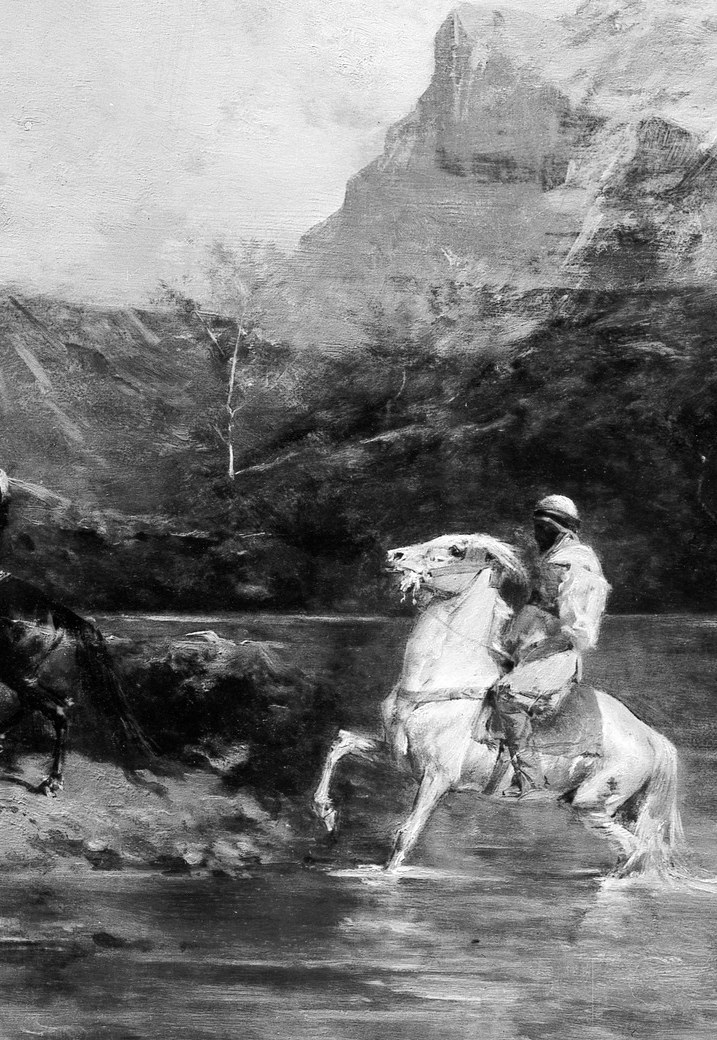
This is Eugène Fromentin's 'Arabs Crossing a Ford,' painted in 1873 and now at The Metropolitan Museum of Art. The artist made it fourteen years after a public catastrophe that should have been the end of him.
At the Paris Salon of 1859, Fromentin exhibited a biblical scene set in his native La Rochelle. The critics eviscerated it. The figure drawing was judged incompetent, the conception absurd. In the aftermath, he announced he was abandoning painting entirely and retreated into writing, becoming, over the next decade, one of the most respected art critics and travel writers in France.
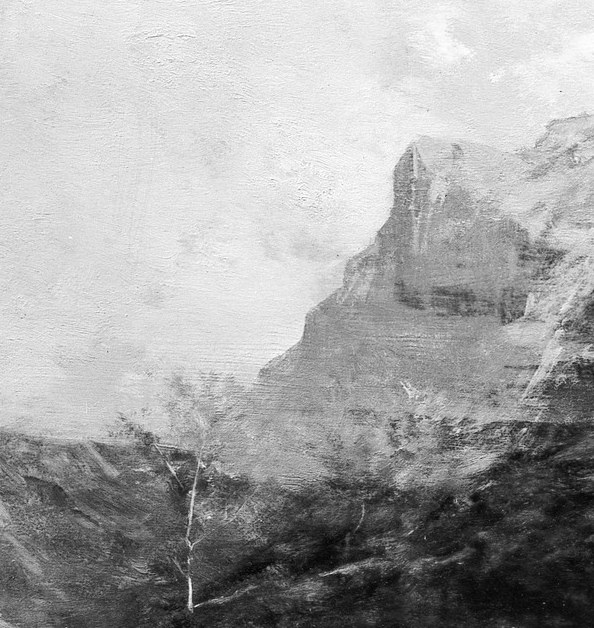
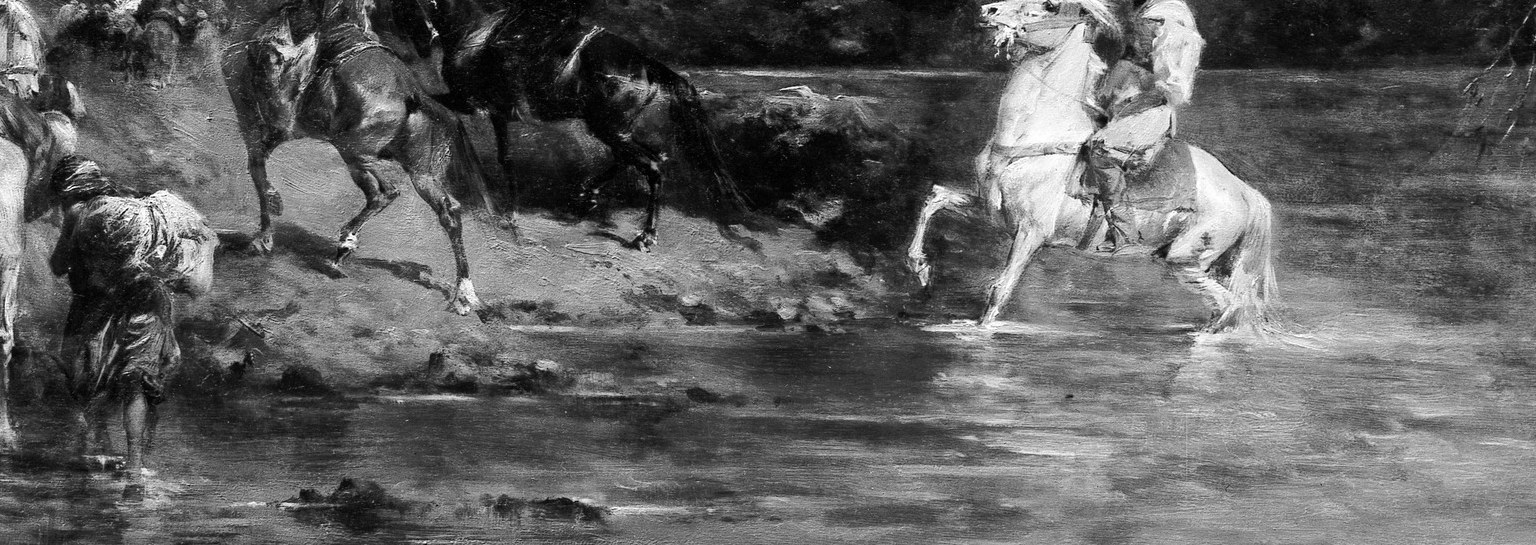
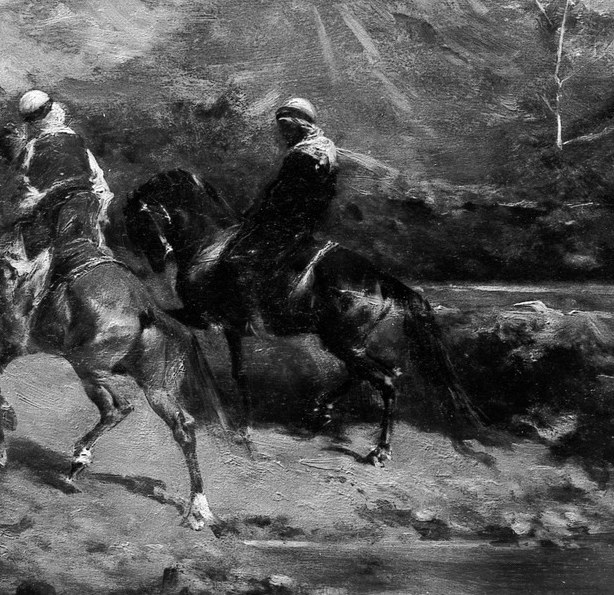
Then he came back. 'Arabs Crossing a Ford' is what a second act looks like: the controversial figure work is gone, replaced by horses Fromentin had genuinely studied on three extensive Algerian journeys. Watch the water around the hooves, those broken reflections and white splashes are the work of someone painting from plein-air observation, not studio imagination. Find the small figure on foot guiding a horse by the reins; the source describes this as a child, a single human-scale detail that quietly organizes the whole social hierarchy of the crossing.
Fromentin died three years after completing this canvas, having built a quiet late career that never sought the spotlight that once burned him. What would you risk coming back to after everyone told you it was over?
Details

Transcript
In 1859, one painting caused a riot at the Paris Salon. Critics called it a moral disgrace. The artist was ruined. He announced he would never paint again. This is what he made fourteen years after his own funeral. He gave up the figure and poured everything into the light. A child leads one of the horses by the reins. Eugène Fromentin spent his last years painting what he actually saw.