Storm on the Meuse River by Hendrik Martenszoon Sorgh
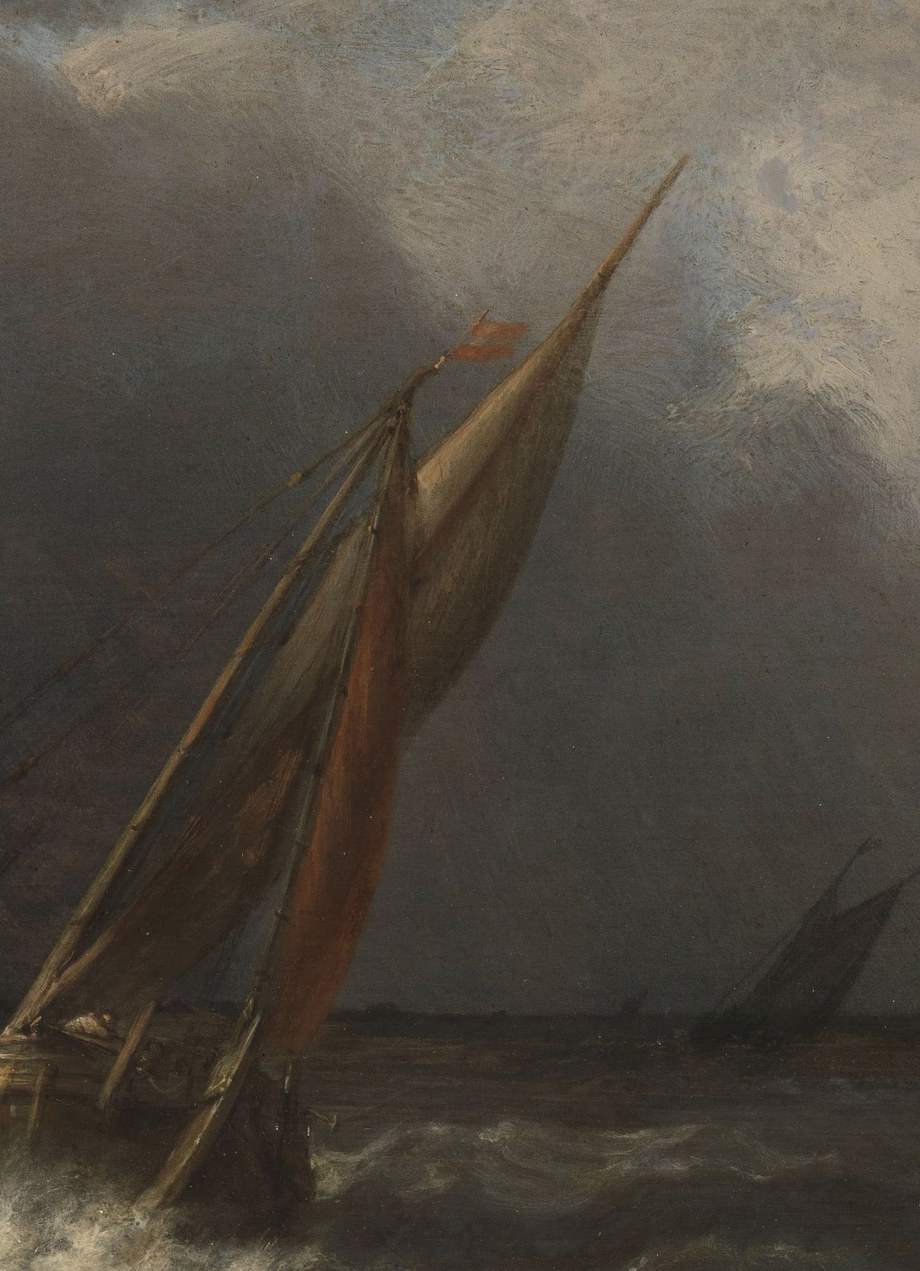
Hendrik Martenszoon Sorgh's "Storm on the Meuse River," painted in 1668, captures the raw, overwhelming power of nature with astonishing realism, now housed at the Rijksmuseum.
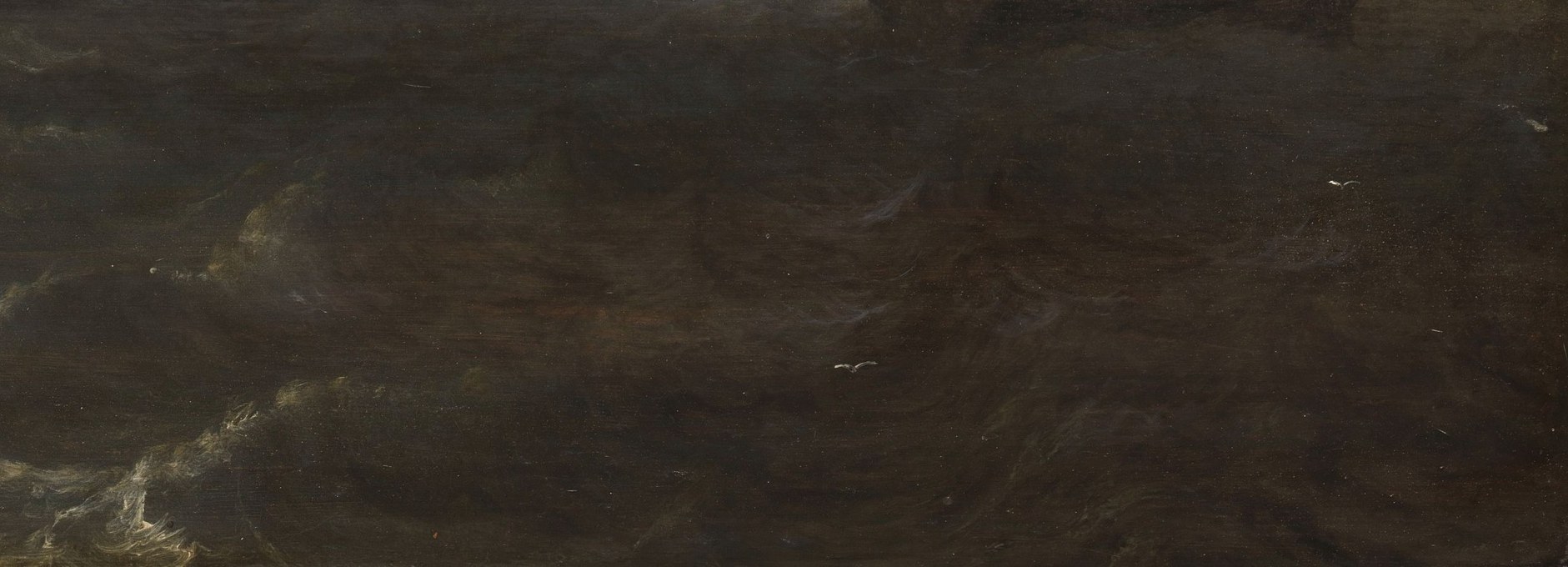
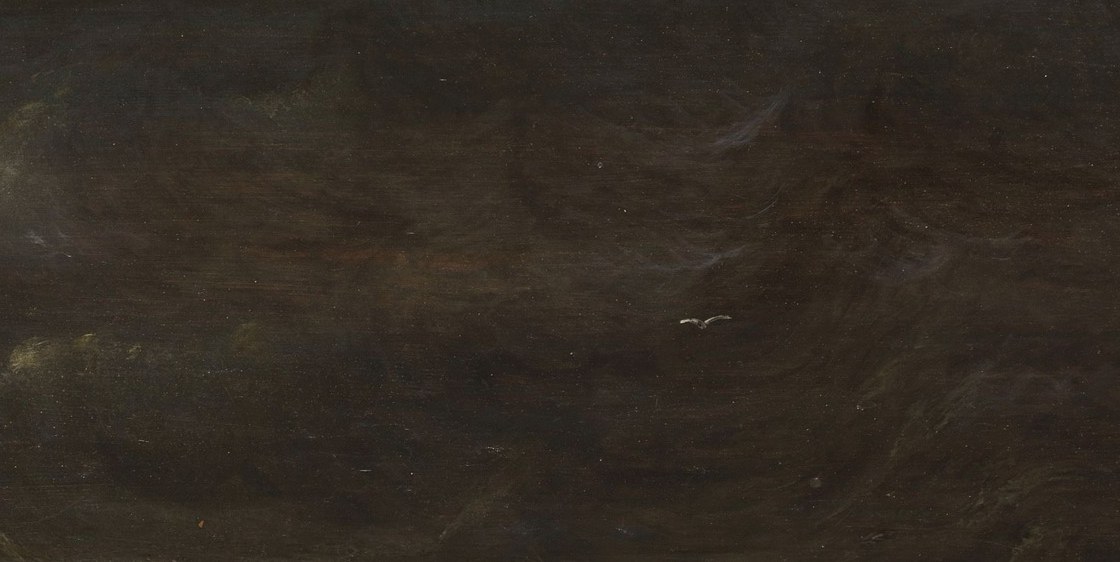
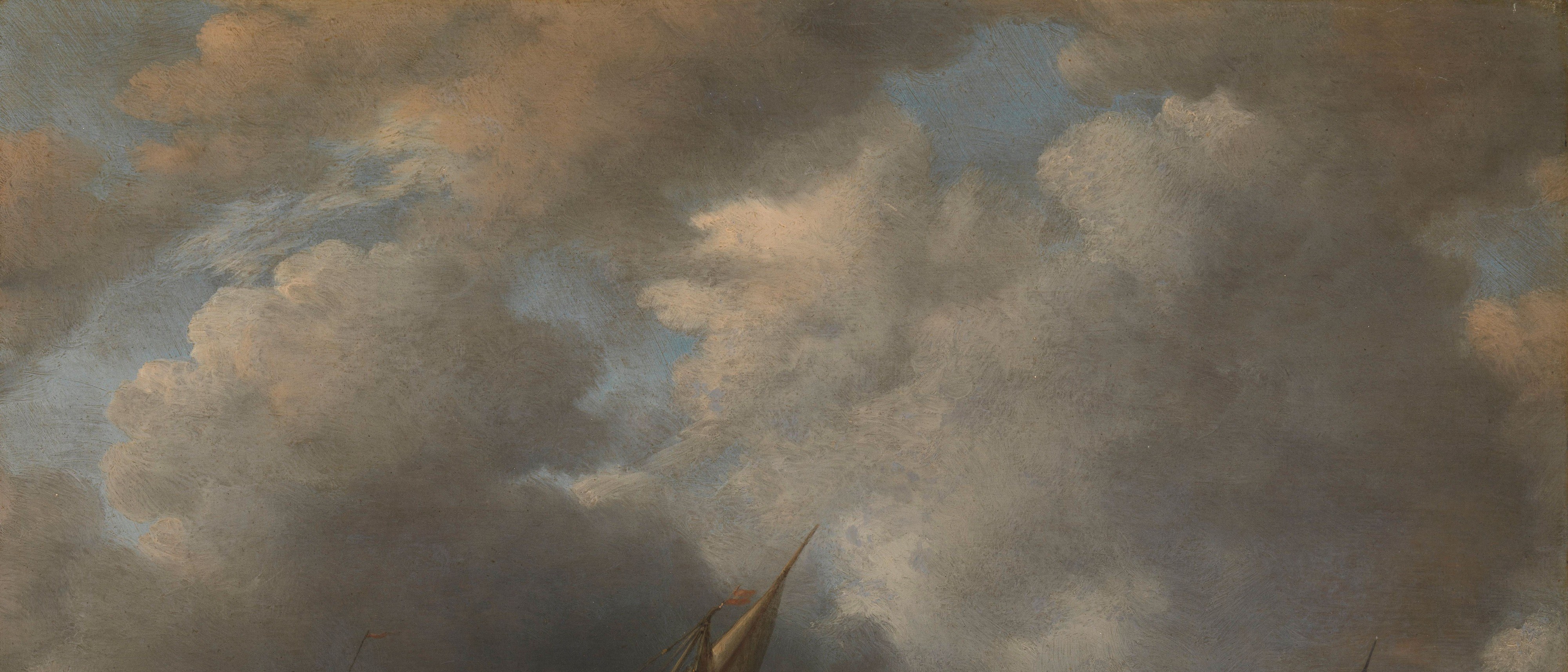
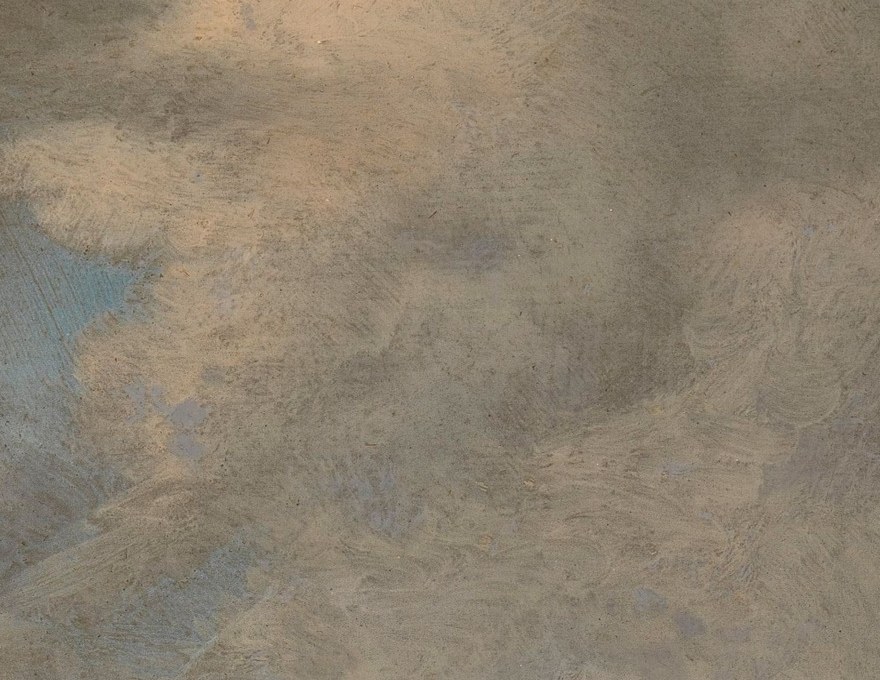
Sorgh masterfully uses thick, textured brushstrokes to create the churning, frothy waves, making the sea feel incredibly dynamic. The dramatic sky, with its interplay of dark storm clouds and sudden shafts of light, heightens the tension and immerses the viewer in the heart of the tempest.
This oil painting exemplifies the Dutch Golden Age tradition of marine art, where the sea is not merely a backdrop but an active, formidable character. Sorgh's ability to balance the detailed depiction of struggling vessels with the expressive rendering of natural elements makes this work a testament to his mature style. It reflects the precariousness of life at sea during his time.
How do you think he achieved such a sense of movement and drama with paint alone?
Details
Transcript
This painter was known for capturing the sea's power. He built up the waves with thick, textured paint. Every white cap feels like real churning water. The sky is a battle of light and shadow. Notice how a break in the clouds casts an eerie glow. This play of light makes the storm feel immediate.