View of Niagara Falls by John Frederick Kensett
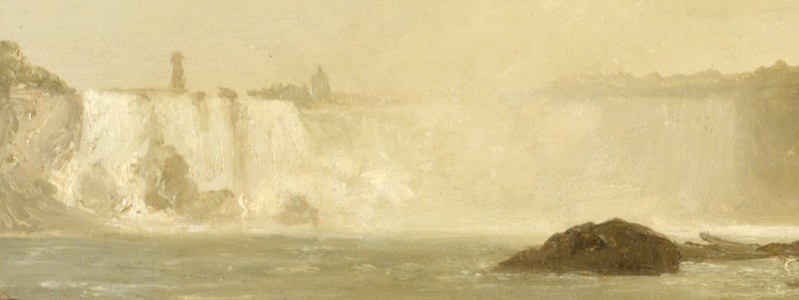
John Frederick Kensett's "View of Niagara Falls," painted in 1851 and held at The Cleveland Museum of Art, offers a serene and contemplative take on one of America's most iconic natural wonders.
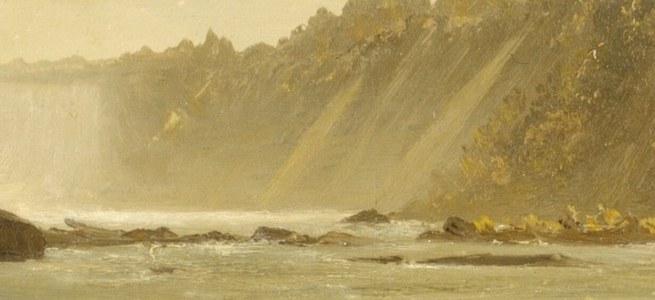
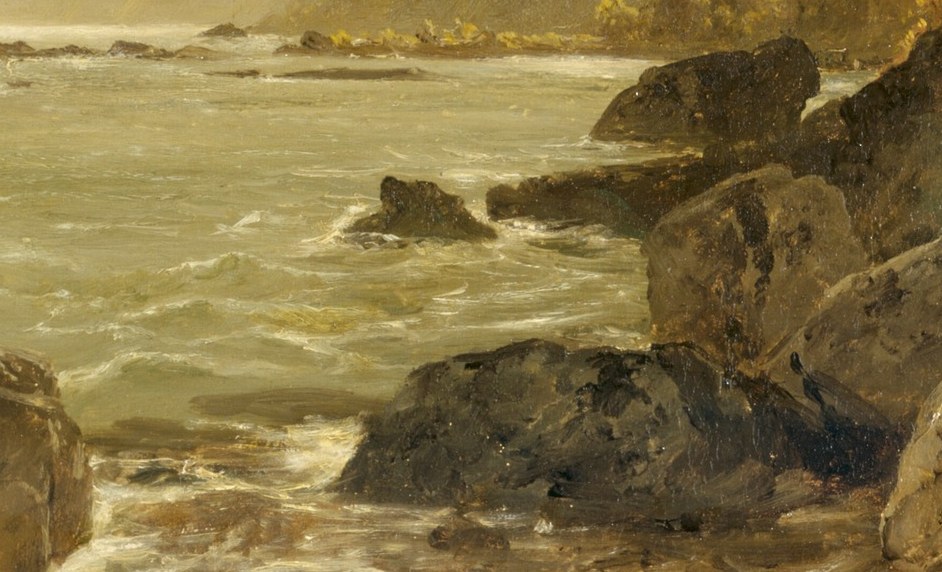
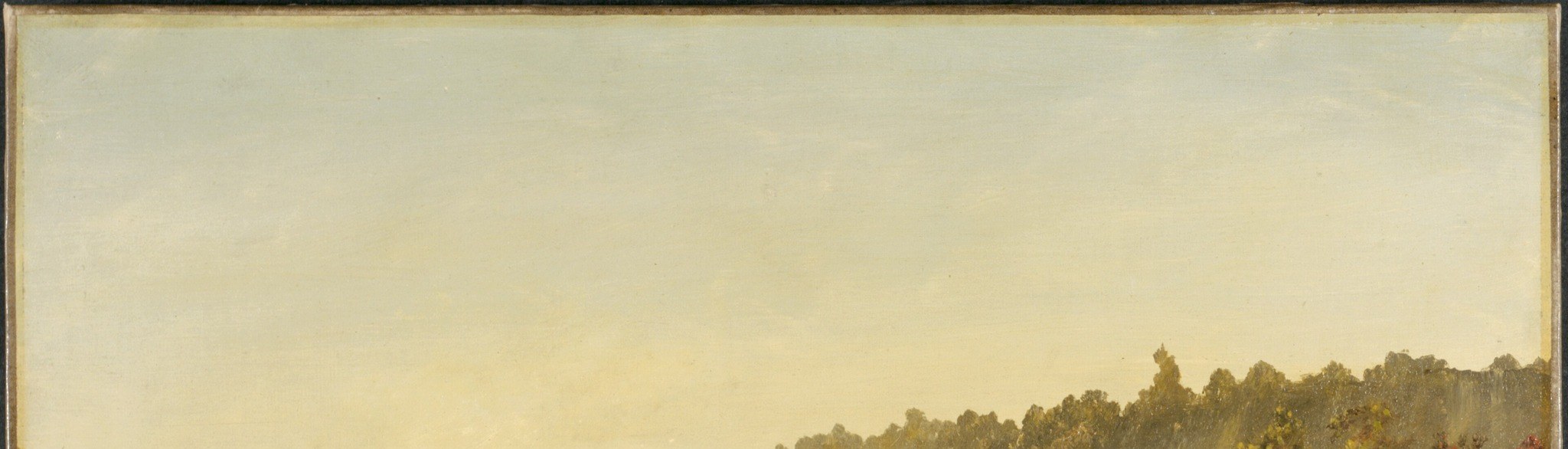
Rather than the dramatic, thundering torrent often depicted by his contemporaries, Kensett presents the falls with quiet observation. His precise brushwork and restrained palette capture the subtle atmospheric mist, soft light, and an almost photographic clarity, emphasizing a tranquil beauty.
This painting is a seminal example of Kensett's Luminist style, which emerged from the Hudson River School. It reflects a mid-19th-century American fascination with the sublime power of nature, yet Kensett chose to highlight a sense of serene order and harmony, rather than overt romanticism.
What do you notice first about this unique perspective on Niagara Falls?
Details

Transcript
Niagara Falls, a symbol of American grandeur in 1851. But this painter shows it with quiet observation, not drama. His precise brushwork captures the atmospheric mist and soft light. Notice the almost photographic clarity of the tranquil scene. This calm approach was characteristic of his Luminist style. He preferred serene order over dramatic romanticism.