The Jester Named Don John of Austria by Diego Velázquez
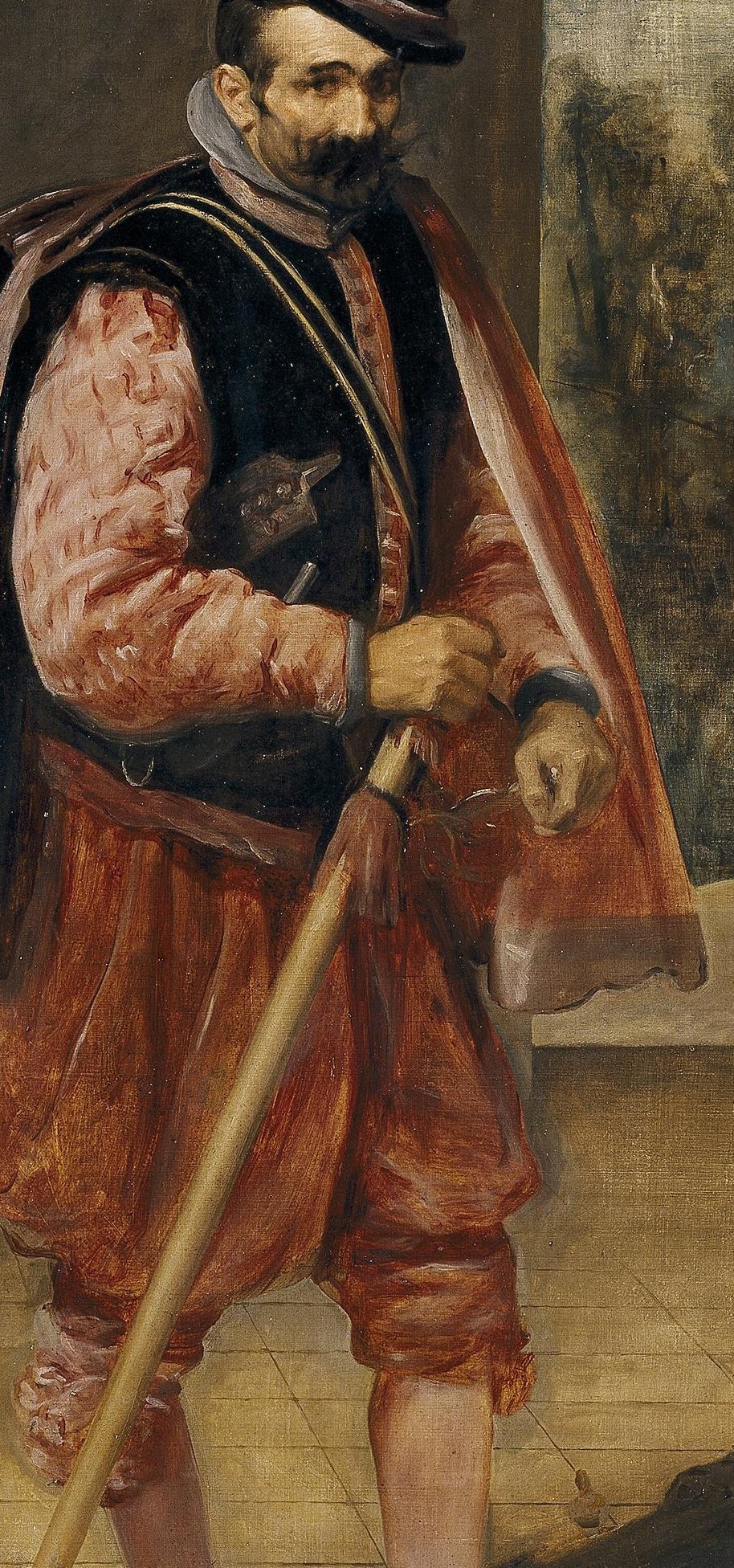
Diego Velázquez’s *The Jester Don John of Austria*, painted around 1632 and housed in the Museo del Prado, Madrid, offers a fascinating glimpse into the complex world of the Spanish court. This isn't just a portrait of an entertainer, but a subtle commentary on status and identity.
Notice how the jester, a figure typically associated with humor, is dressed in the elaborate military uniform of the celebrated commander Don John of Austria. Velázquez masterfully juxtaposes these roles, inviting us to look beyond surface appearances.
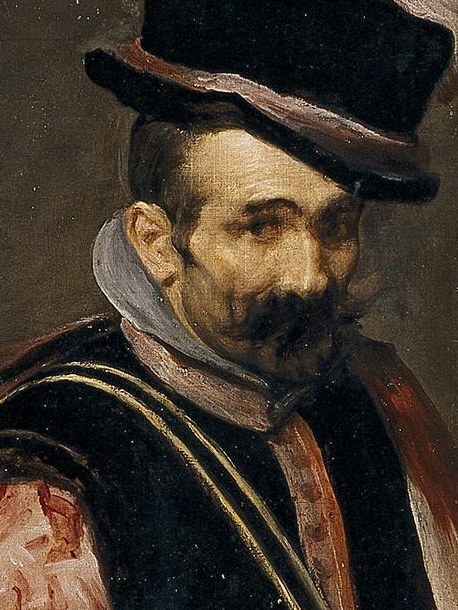
Velázquez, the leading artist in the court of King Philip IV, was known for his empathetic portraits of jesters and dwarfs, giving them a dignity often denied to them in society. This painting is a prime example of his ability to imbue his subjects with profound psychological depth, challenging conventional hierarchies.
What do you think Velázquez was trying to say about power and performance in the Spanish Golden Age?
Details
Transcript
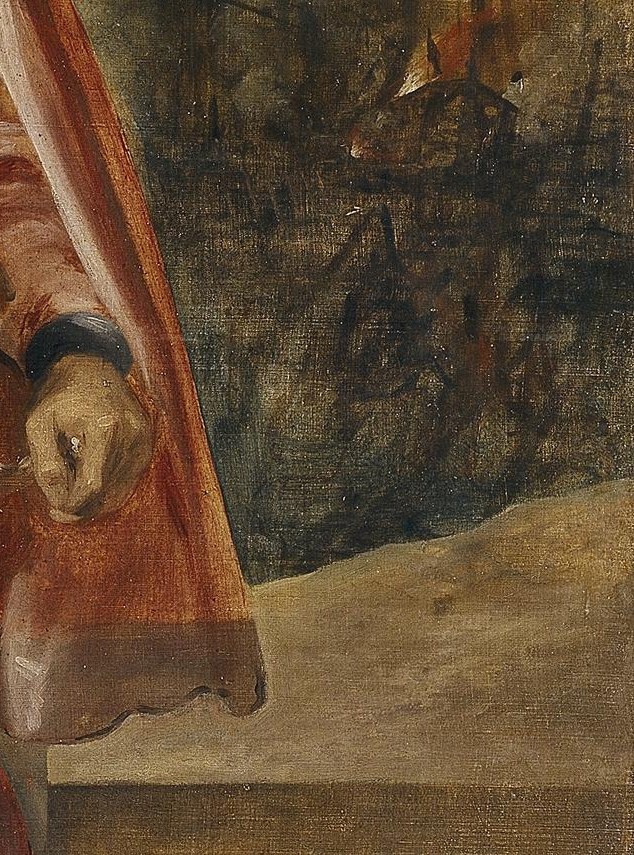
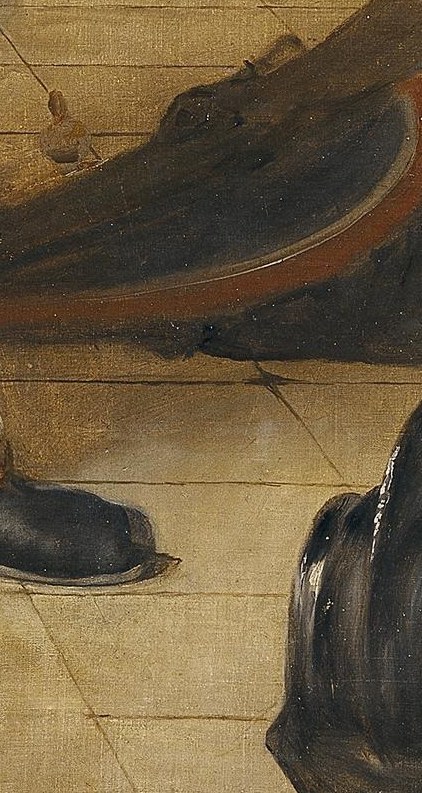
This man is a jester, an entertainer in the Spanish court. Yet he wears the armor and plumed hat of a military commander. He is dressed as Don John of Austria, a famous general. Velázquez often depicted jesters with dignity, not just humor. Look closely at the distant background, a hazy battle scene. It hints at the fleeting nature of glory and the court's illusions. The painting shows performance and power, intertwined in plain sight.