The Tears of Saint Peter by Jusepe de Ribera
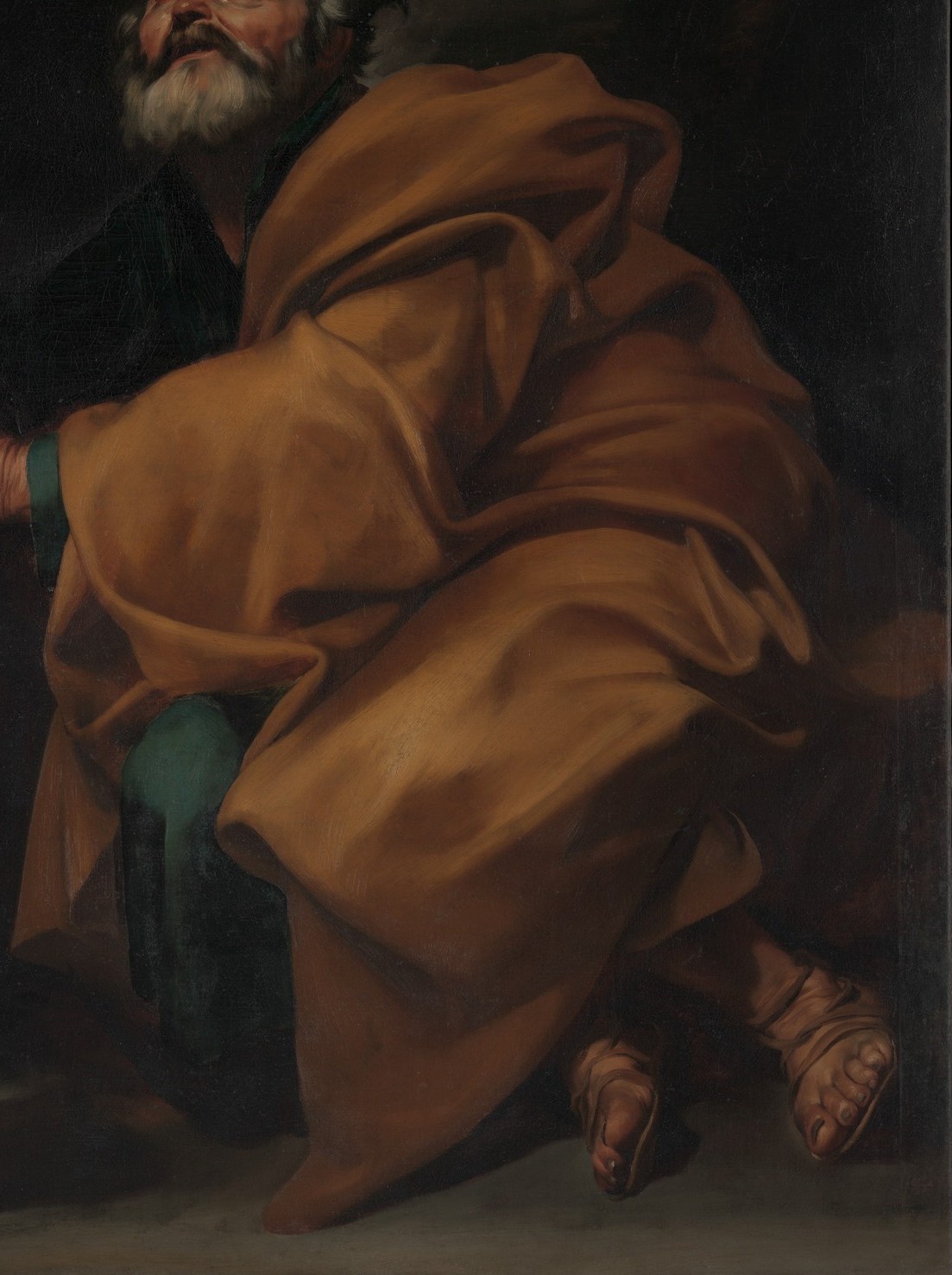
Jusepe de Ribera's *The Tears of Saint Peter*, painted around 1612 and housed at The Metropolitan Museum of Art, captures a moment of intense human emotion. The work powerfully depicts Saint Peter in his despair, a common theme in devotional art of the early Baroque period.
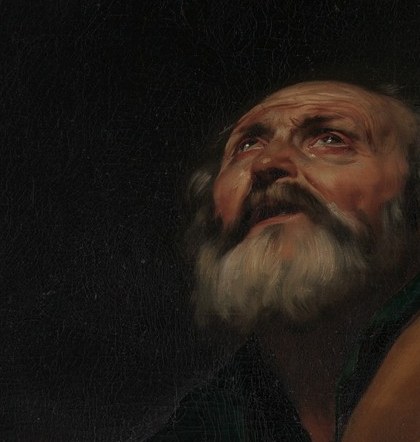
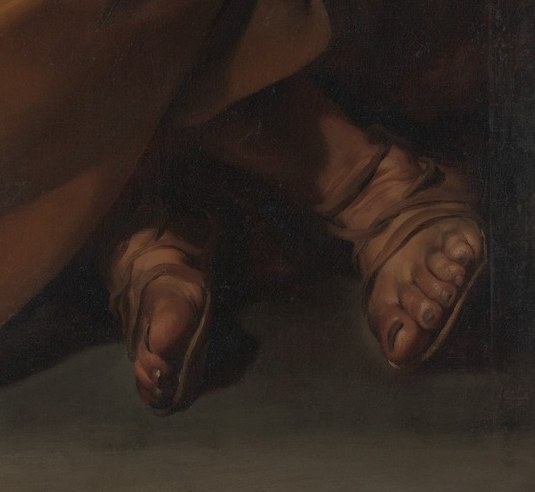
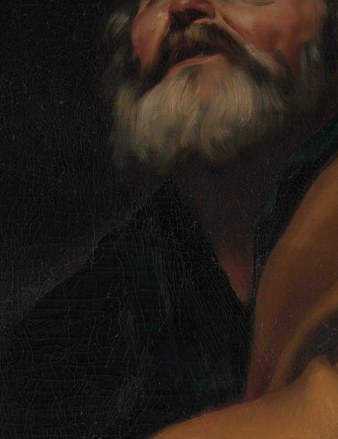
Look at the saint's face, upturned and anguished, with a furrowed brow conveying profound supplication. His hands are tightly clasped, emphasizing his distress, while his bare feet are grounded, adding to the pathos of the scene.
Ribera, a Spanish artist active in Italy, was known for his dramatic use of light and shadow. This painting exemplifies his early style, reflecting the naturalism and emotional intensity of the period. He was a leading figure of Spanish Baroque painting.
This painting invites contemplation on themes of remorse and faith.
Details

Transcript
He kneels, consumed by his sorrow. His upturned gaze holds deep anguish. His brow furrows in supplication. His hands are tightly clasped. Ribera painted this in 1612. His bare feet ground him in grief. He was the painter's subject in Naples.