Woman Reading by Nicolas Bernard Lépicié
Nicolas Bernard Lépicié's "Woman Reading" (1769) at The Cleveland Museum of Art, caused a quiet stir when it debuted in Paris. In an era when women's roles were strictly defined, the depiction of a woman engrossed in private study was subtly revolutionary, challenging societal norms.
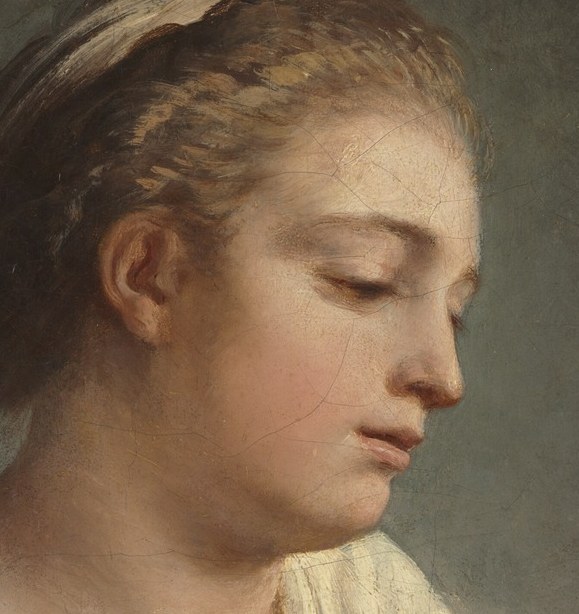
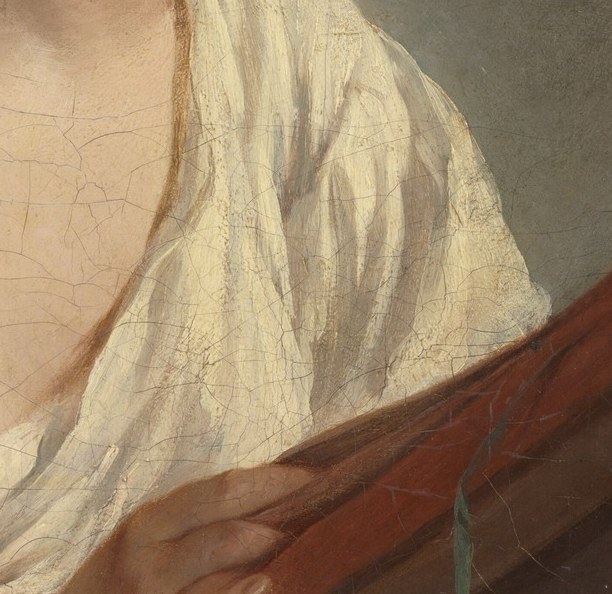
Look closely at her downcast eyes and the way her body turns slightly from the viewer, emphasizing her solitary focus. The casually exposed shoulder, rendered with soft brushwork, was also considered quite daring for the time, adding a touch of sensuality to the intellectual scene.
Lépicié, a renowned painter in his lifetime and son of prominent engravers, was known for his elegant Rococo style. This work, however, reflects a shift towards more domestic and contemplative subjects, aligning with the growing appreciation for women's literacy and virtue within bourgeois households.
The painting invites us to ponder the quiet power of knowledge and the personal freedom found within a book. What do you imagine she is reading?
Details
Transcript
This quiet scene of a woman reading caused a stir in 1769 Paris. The painter was known for domestic scenes, like Chardin. But for a woman to be shown lost in study was unexpected. Her exposed shoulder was also considered quite daring. She ignores the viewer, absorbed in her open book. It was a shift from frivolous Rococo to something more thoughtful.