Hunt at the Castle of Torgau in honour of Charles V by Lucas Cranach the Elder
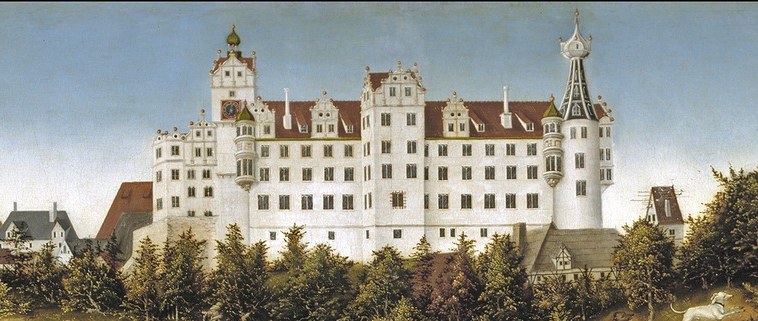
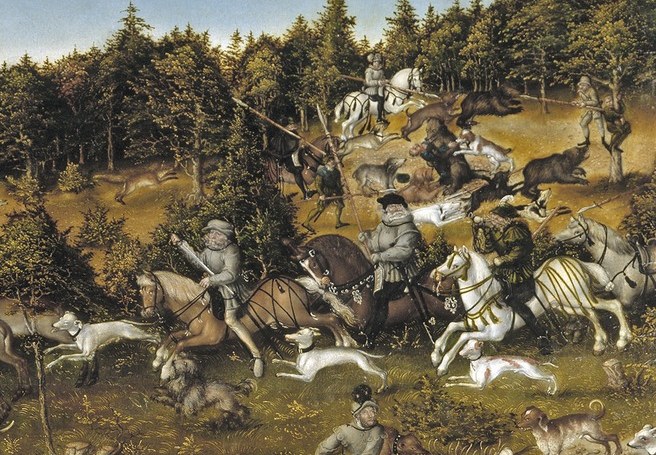
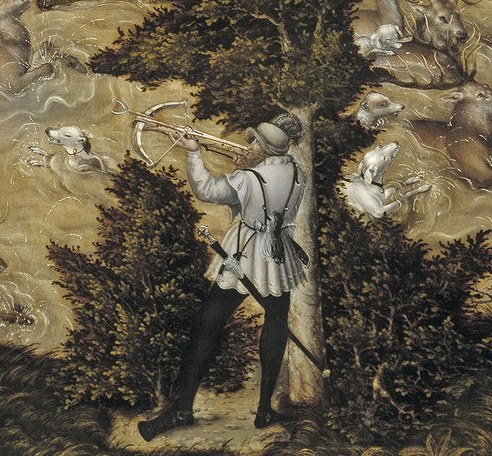
Lucas Cranach the Elder's "Hunt at the Castle of Torgau in honour of Charles V," painted in 1544, is a large-scale oil landscape teeming with activity. It captures a grand royal hunting expedition, featuring numerous figures, animals, and the majestic Torgau Castle in the background. It is part of the collection at the Museo del Prado.
While the eye is drawn to the drama of the hunt, galloping horses, struggling deer, and keen hounds, a closer look reveals a quiet detail easily missed. Tucked away to the left of the prominent castle, a small, red-roofed village appears, a subtle counterpoint to the aristocratic spectacle.
Cranach, a German Renaissance painter and court artist, was renowned for his ability to combine narrative with detailed natural settings. This painting underscores the ceremonial nature of such hunts, staged to honor powerful figures like Emperor Charles V, yet it also hints at the ordinary life continuing just beyond the noble pursuit.
This painting invites us to consider what other stories lie hidden in plain sight, waiting to be discovered.
Details
Transcript
This grand painting shows a royal hunt in 1544. It was made for Emperor Charles V. The forest is full of hunters and their prey. But look closely, there's more to this scene. A small, quiet village is tucked away in the trees. An everyday world exists beside the aristocratic hunt.