The Good Samaritan by Alexandre Gabriel Decamps
Alexandre-Gabriel Decamps’s “The Good Samaritan” (1853) was meant to be the painter’s masterpiece, until the 1853 Paris Salon turned it into the scandal that ended his public career.
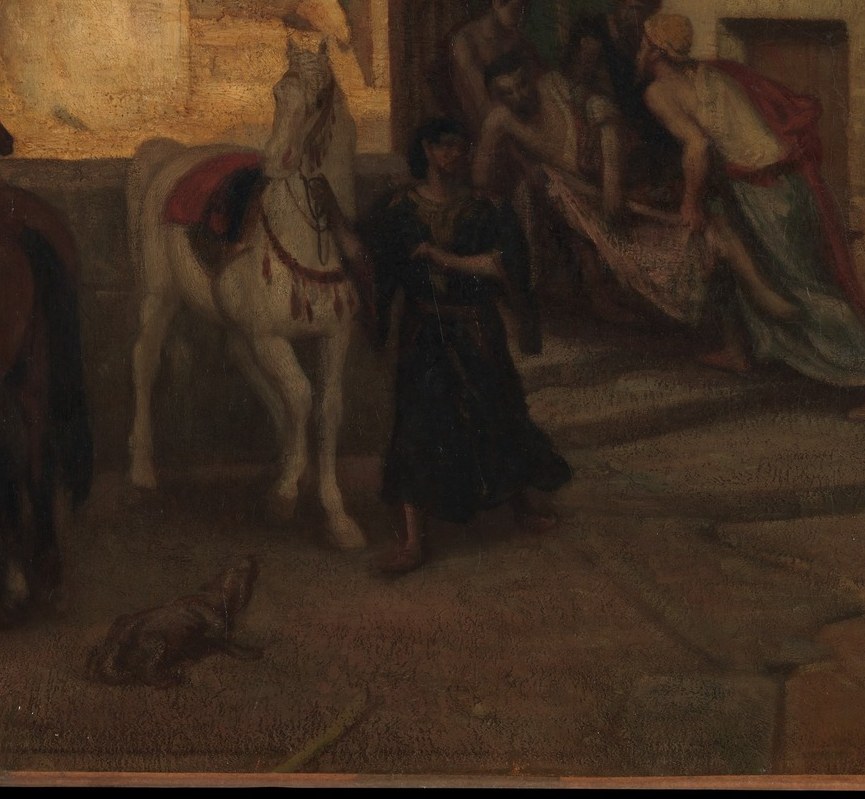
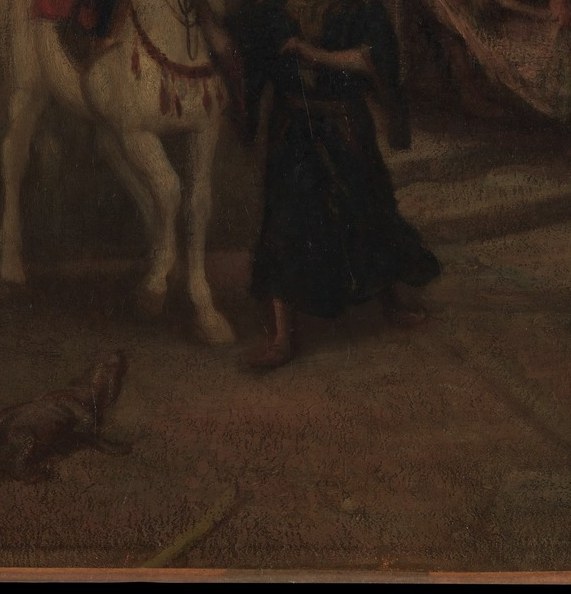
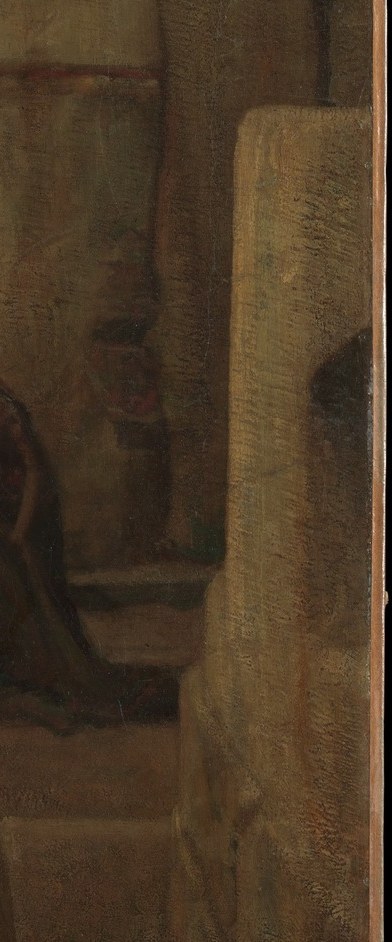
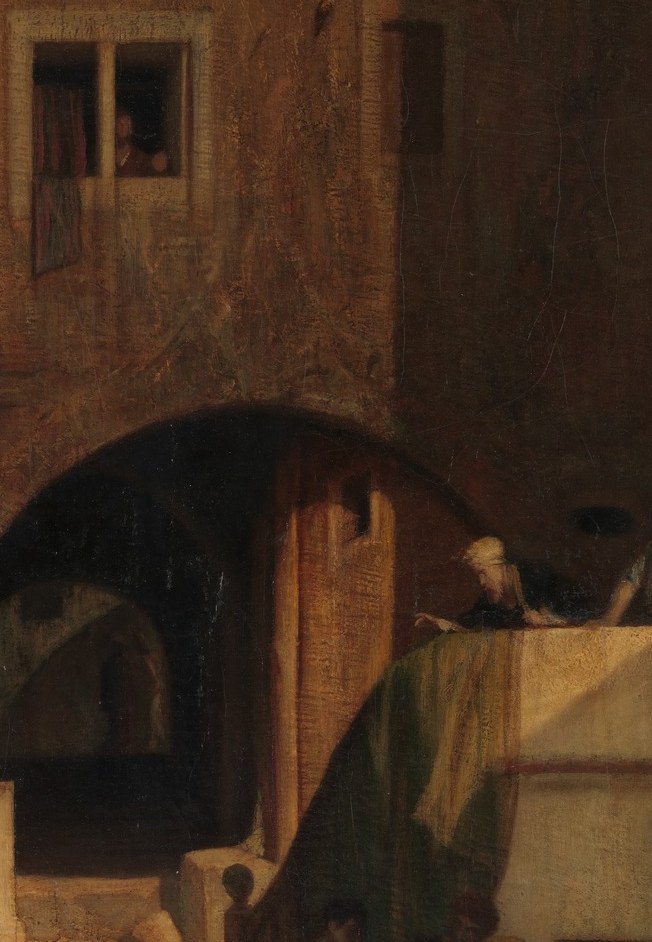
Look for the dense, almost sculptural knot of figures at the center. Critics called the paint “crude” and the chiaroscuro a failure, but the heavy shadow is the point: compassion is happening in a place of almost total moral eclipse. The true light in the painting is not on the fallen man or the Samaritan, but in the distant archway, where indifferent figures walk on.
Decamps was already France’s most celebrated Orientalist, known for richly textured Eastern scenes. For this biblical subject he abandoned decorative detail for a claustrophobic, earthy darkness, a gamble the audience of 1853 was not ready for. The reception was so bruising that he never exhibited at the Salon again, though the work later entered The Metropolitan Museum of Art.
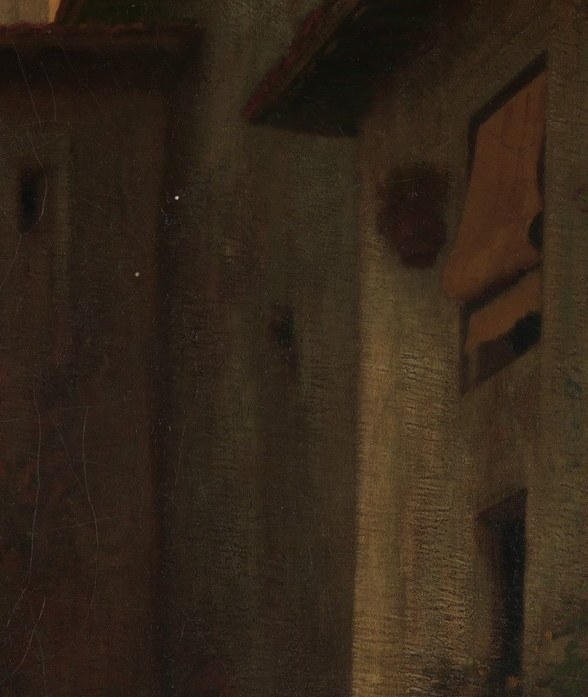
Sometimes a painting that is rejected in its own time is simply looking at people in a way they are not ready to return. Look up at the window, those bystanders could be any of us, watching without moving.
Details
Transcript
This painting was meant to be the crowning achievement of his career. It was the 1853 Paris Salon, and the public expected a dignified biblical scene. Instead, critics were horrified by the violent shadows and compressed bodies. They called the paint handling crude, the darkness a failed experiment. Look at the bystanders hiding in the gloom. And the faces in the window who only watch. The only brightness in the whole scene is the world walking away. Decamps never submitted to the Salon again. He retreated into his studio for good.