Woman Holding a Book by Field, Erastus Salisbury
Erastus Salisbury Field’s 'Woman Holding a Book' (c. 1835) from a regional museum, subtly communicates the sitter's status and virtues through carefully chosen elements. In early 19th-century America, a book, particularly one with gold-edged pages like the one she holds, was a valuable possession, hinting at both literacy and a devout nature. The act of reading for women was considered a mark of refinement and piety.
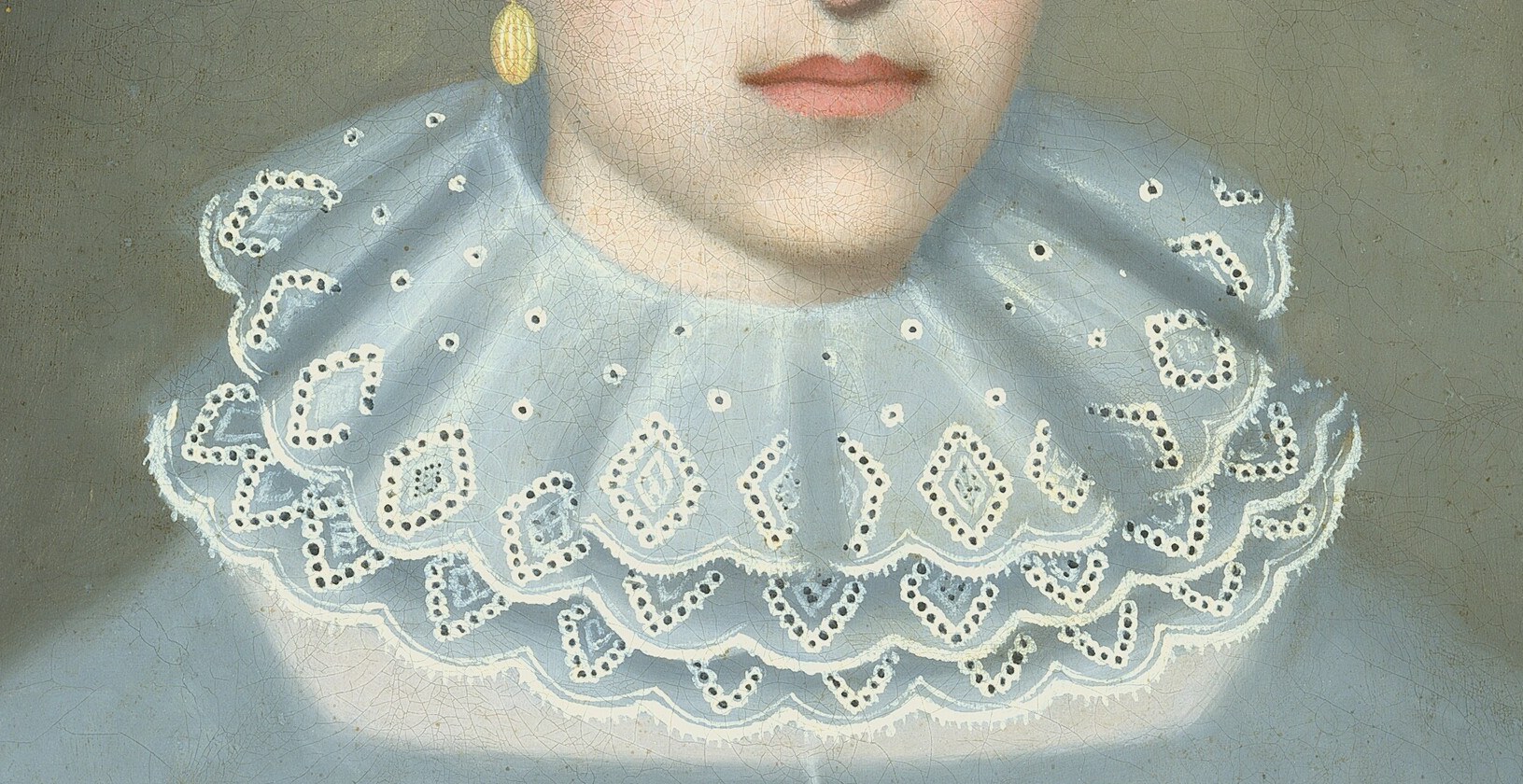
Her intricate white lace collar is a clear indicator of wealth and social standing, contrasting elegantly with her dark dress. The simple gold ring on her finger further suggests marriage and commitment, adding to the portrait of a respectable woman of her time.
Field, an American artist, painted numerous portraits like this during his mature period in New England. He used light and shadow to draw attention to these symbolic details, crafting a silent narrative about the sitter's identity.
This painting offers a fascinating glimpse into the social codes of the era, where everyday objects held deeper meanings. What other stories do you think portraits like this silently tell?
Details

Transcript
In 1835, a book was a luxury, especially for a woman. This gold-edged book suggests both value and frequent use. Her delicate lace collar signals wealth and social standing. The simple gold ring speaks to marriage and commitment. Together, these objects portray a pious, cultured, and wealthy woman.