The Triumph of Aemilius Paulus after the Battle of Pydna by Master of the Battle of Anghiari
Painted around 1450, "The Triumph of Aemilius Paulus after the Battle of Pydna" by the Master of the Battle of Anghiari at the Rijksmuseum, Amsterdam, captures an imagined ancient Roman military procession.
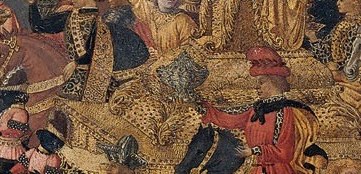
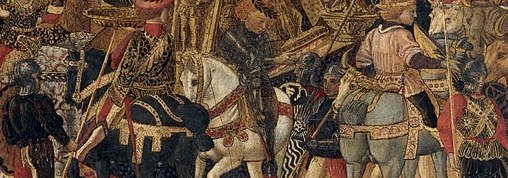
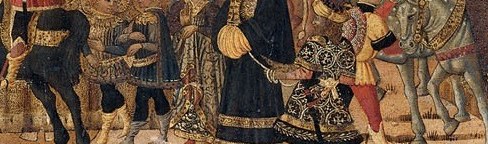
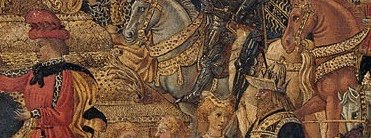
Look closely at the details: the central figure of General Aemilius Paulus on horseback, followed by dejected captured warriors, and exotic elephants symbolizing distant conquests. Observe the soldiers carrying the spoils of war and the powerful Roman eagle standards.
This tempera panel celebrates the Roman triumph, a ceremonial display of military success and civic pride. It underscores themes of conquest and the glorification of Roman authority in the early Renaissance imagination.
What aspects of this historical depiction resonate with you today?
Details

Transcript
Rome, 1450. Painters imagined ancient Roman triumphs. This one shows General Aemilius Paulus after the Battle of Pydna. Captured warriors, bound and dejected, walk before him. Exotic elephants emphasized the vastness of conquered lands. Soldiers carry gold, trophies, and Roman eagle standards. This painting celebrated conquest and Roman authority.