The Children of Nathan Starr by Ambrose Andrews
The Children of Nathan Starr, painted by Ambrose Andrews in 1835, is a portrait of three children at play, and a document of a father's grief. The painting hangs in the American Wing of the Metropolitan Museum of Art.
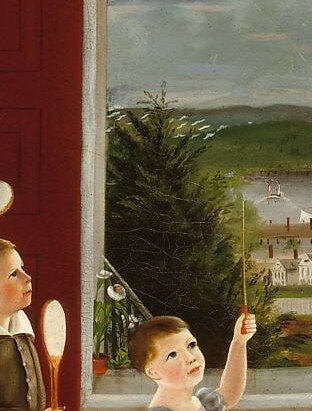
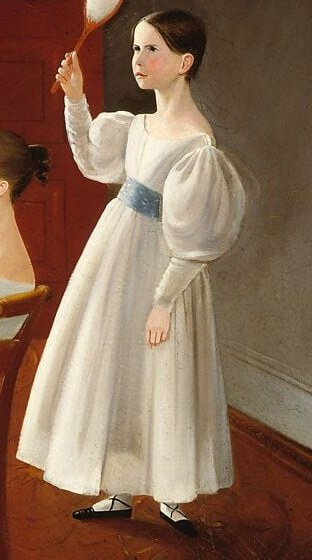
At first glance it is a sunlit scene of childhood: a hoop and stick, a mirror, a soap bubble blown by the older boy. The children are caught mid-action, unusually spontaneous for 1830s portraiture. But the bubble is a vanitas motif, a symbol of transience the painter rendered in a single bright highlight. It floats at the very center of the composition, just out of reach of the youngest child.
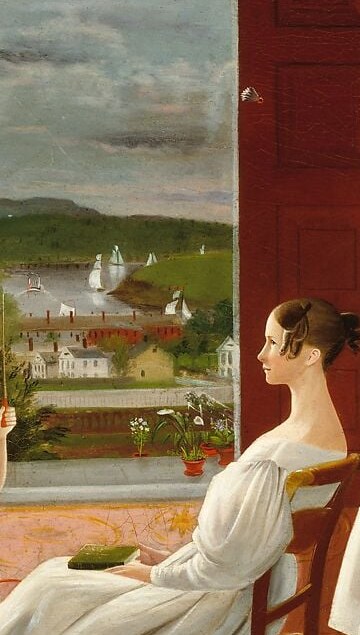
Nathan Starr was a prosperous Connecticut sword manufacturer who supplied the federal government. By the 1830s his business had collapsed. His health followed. He commissioned this portrait of his children shortly before his death. Of the three figures depicted, only the girl on the right survived into adulthood. The painting is not a record of an afternoon's game but a parent's attempt to fix something in place before it disappeared.
Andrews signed his name directly onto the wooden hoop, a small act of permanence inside a picture about loss. Next time you see the painting, look at the bubble, it is still there, long after the children who watched it float.
Details
Transcript
They look like children lost in play. A hoop, a mirror, a shimmering soap bubble. The bubble is a vanitas symbol, a reminder that all things vanish. Only one of these children lived to grow old. Nathan Starr lost his fortune, then his health. He commissioned this portrait just before his death. The artist signed his name on the hoop, a quiet claim on a fleeting world. The toddler reaches for a bubble that will outlast him.