Love as Folly by Fragonard, Jean Honoré
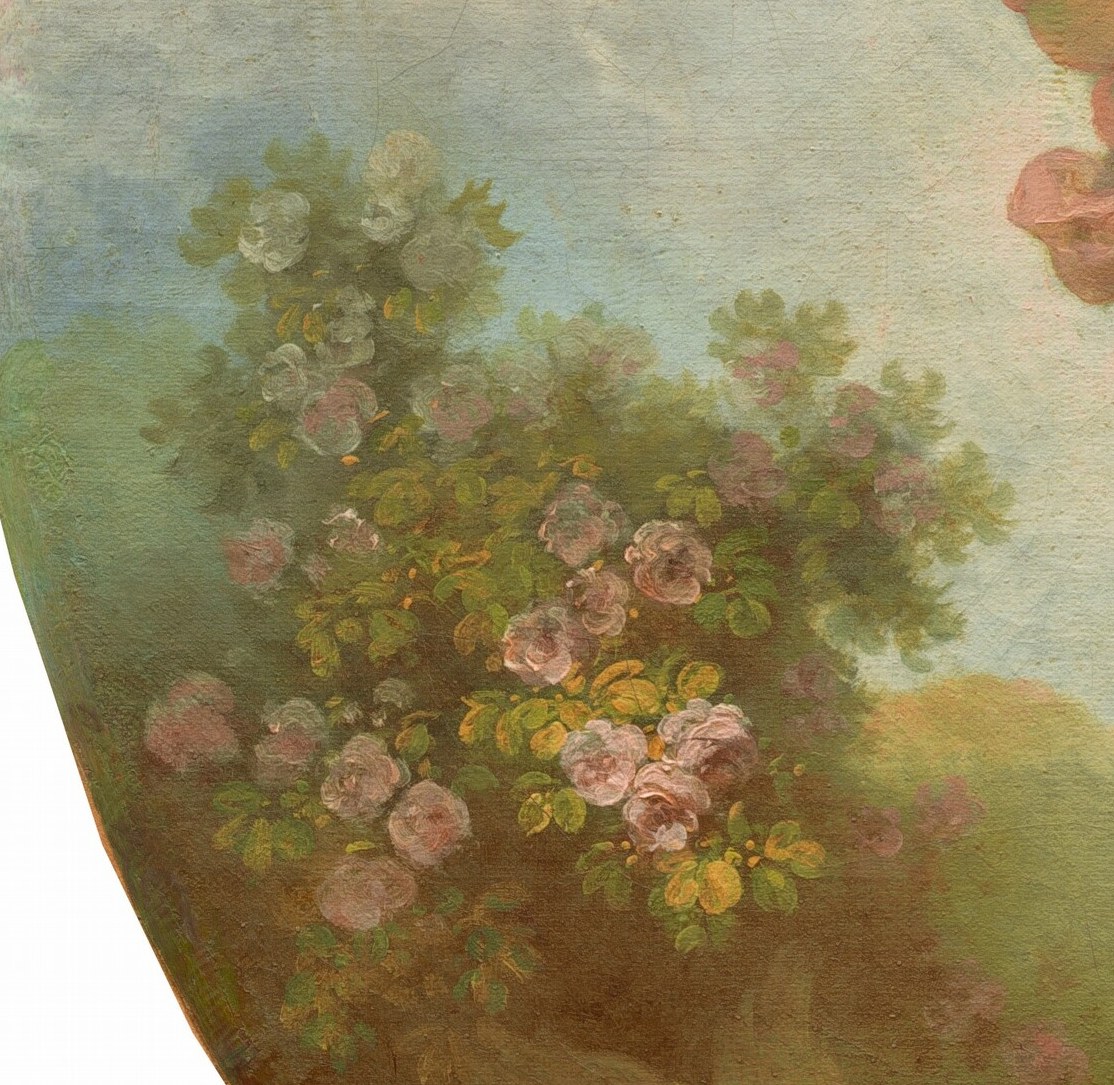
Jean Honoré Fragonard's 'Love as Folly,' painted around 1774, at the National Gallery of Art, is a charming allegory of love's unpredictable nature. While the mischievous cherub and abundant roses might suggest pure joy, a subtle detail reveals a deeper meaning.
Take a closer look at the falling golden bubbles near the cherub's hand. These delicate, ephemeral elements are a poignant visual metaphor for the fleeting nature of love's pleasures.
Fragonard, a master of the Rococo style, created this work in the latter part of his career, exploring allegorical themes with a light, dreamlike palette. He was known for turning to private commissions and smaller cabinet pictures after initial success with grander history paintings, perfecting a loose, rapid brushwork suited to gallant subjects.
This painting invites us to consider love's beauty and its impermanence, all in one whimsical scene.
Details
Transcript
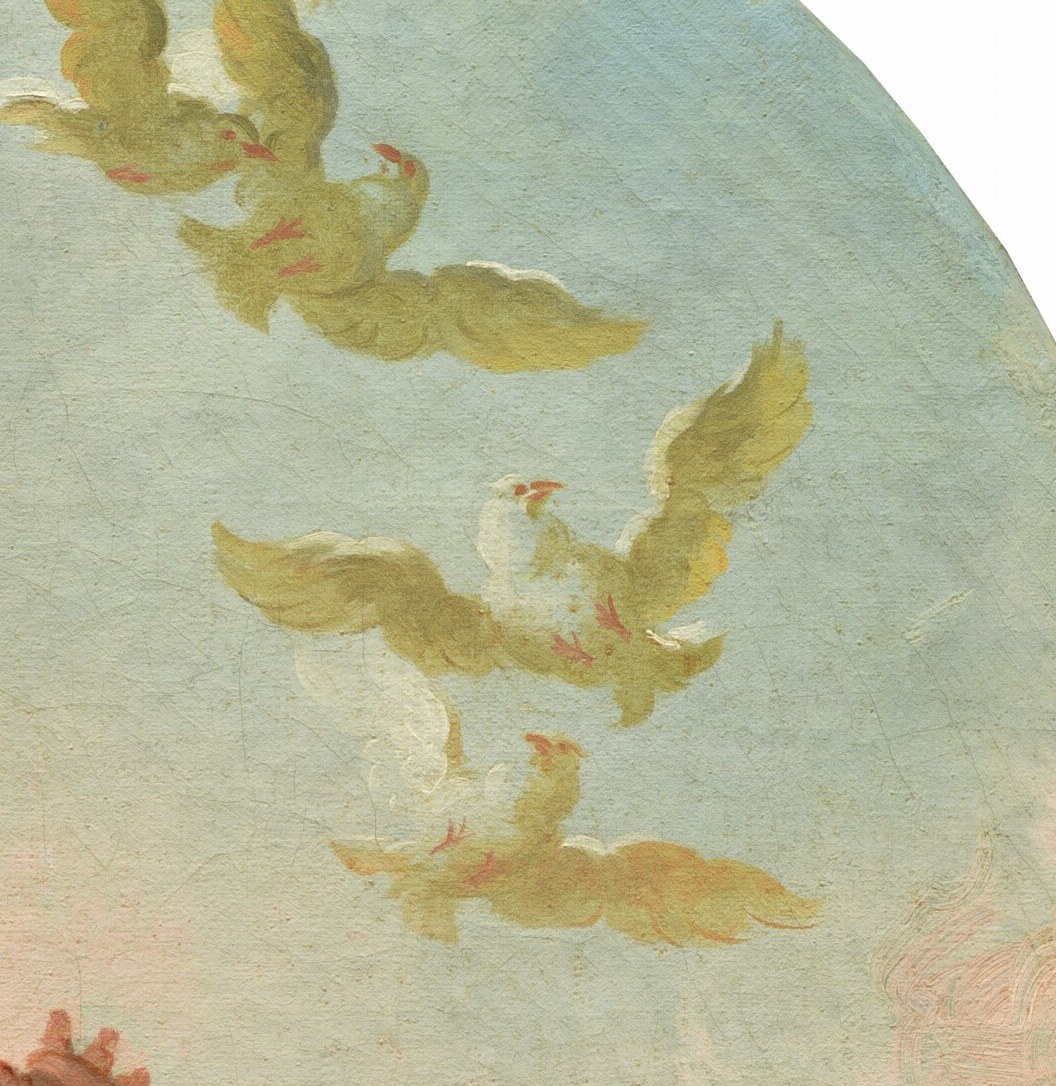
This painting, 'Love as Folly,' is by Fragonard. It shows love as a playful, mischievous thing. The blooming roses hint at love's beauty. And flying birds suggest its freedom. But look closely at the cherub's other hand. Golden bubbles are falling, fleeting and ephemeral. A subtle reminder that love's pleasures can vanish.