Bindo Altoviti by Raphael
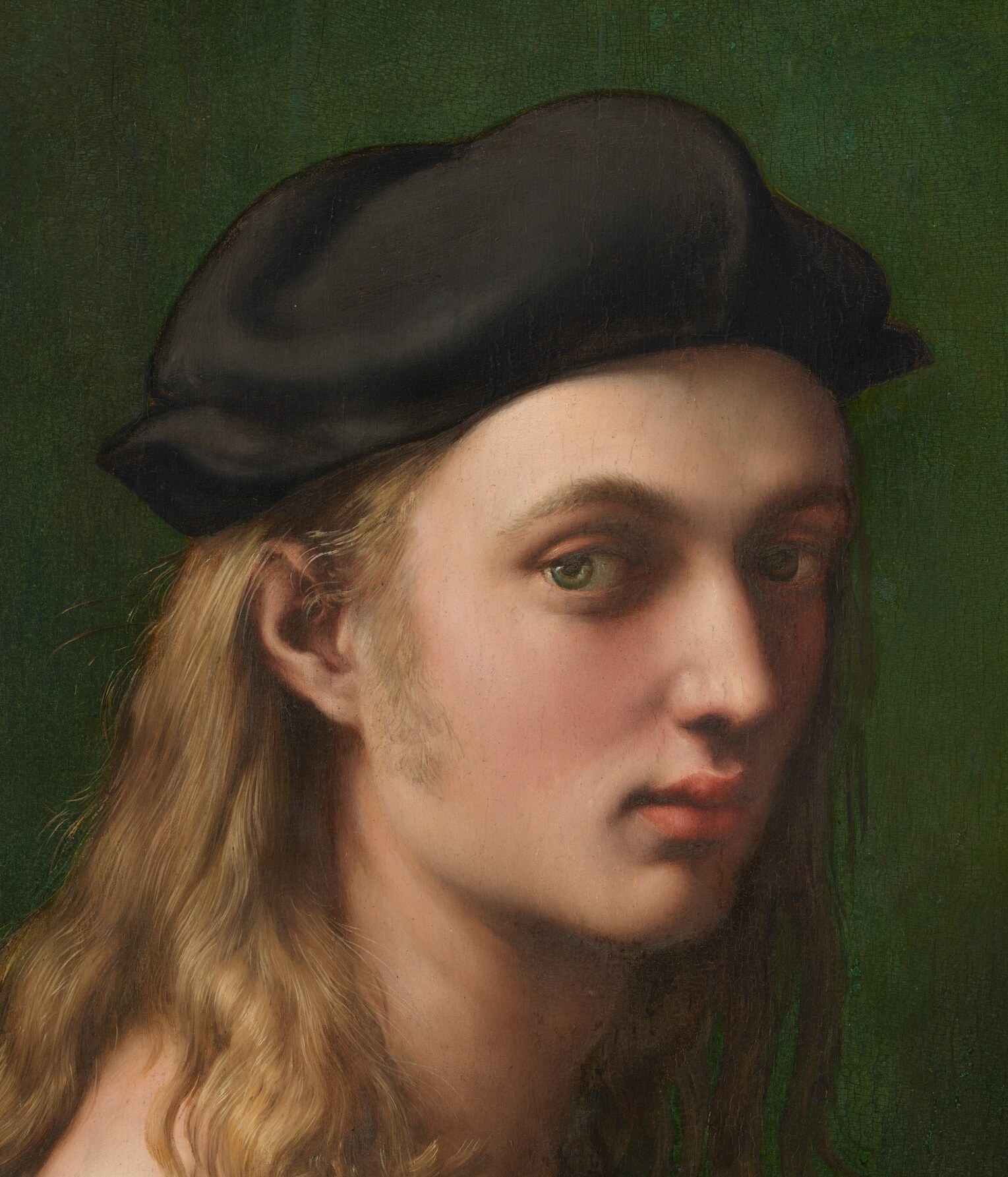
Raphael painted Bindo Altoviti around 1515, and the portrait now hangs in the National Gallery of Art in Washington, D.C. It almost didn't survive the 20th century.
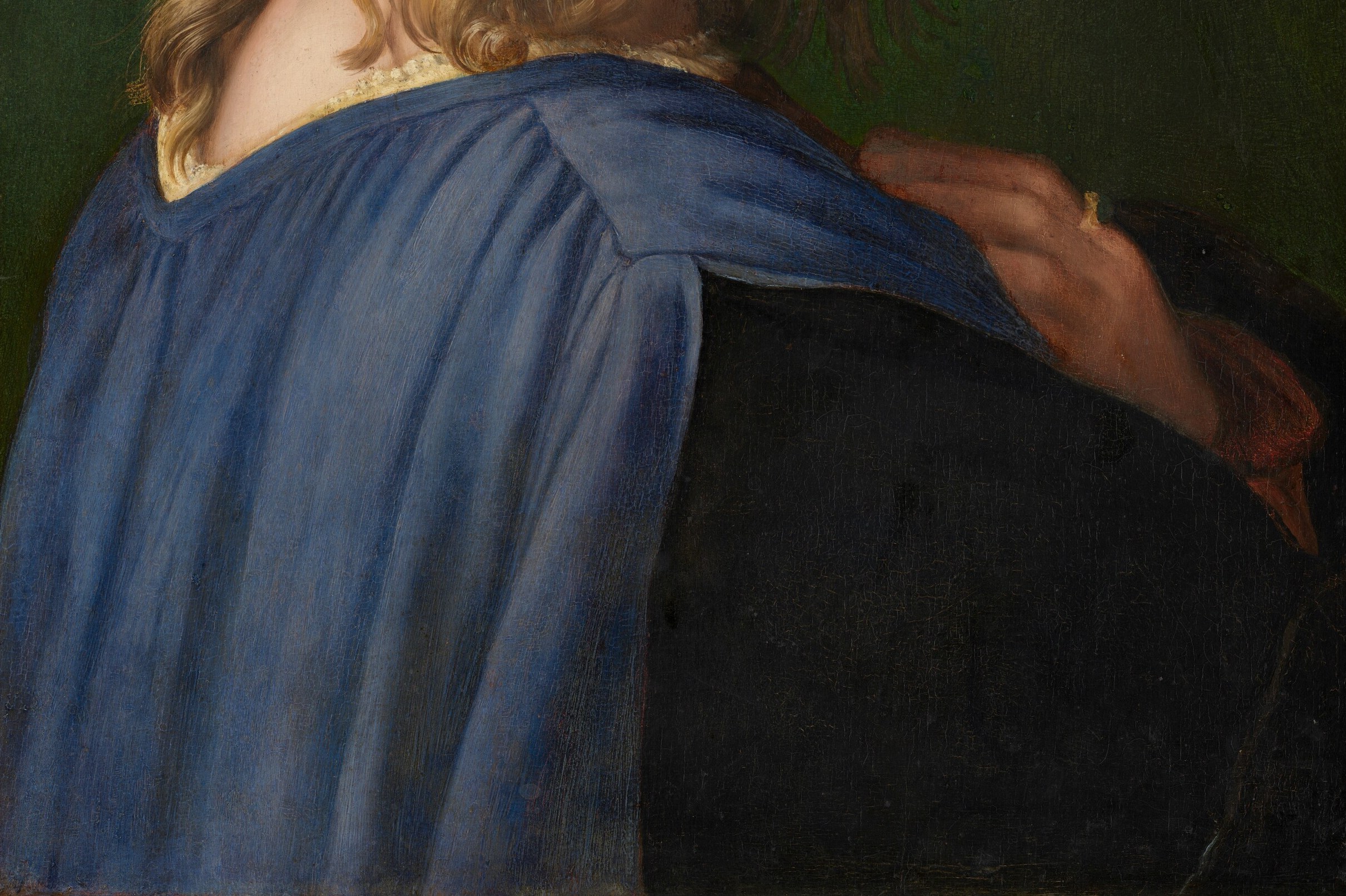
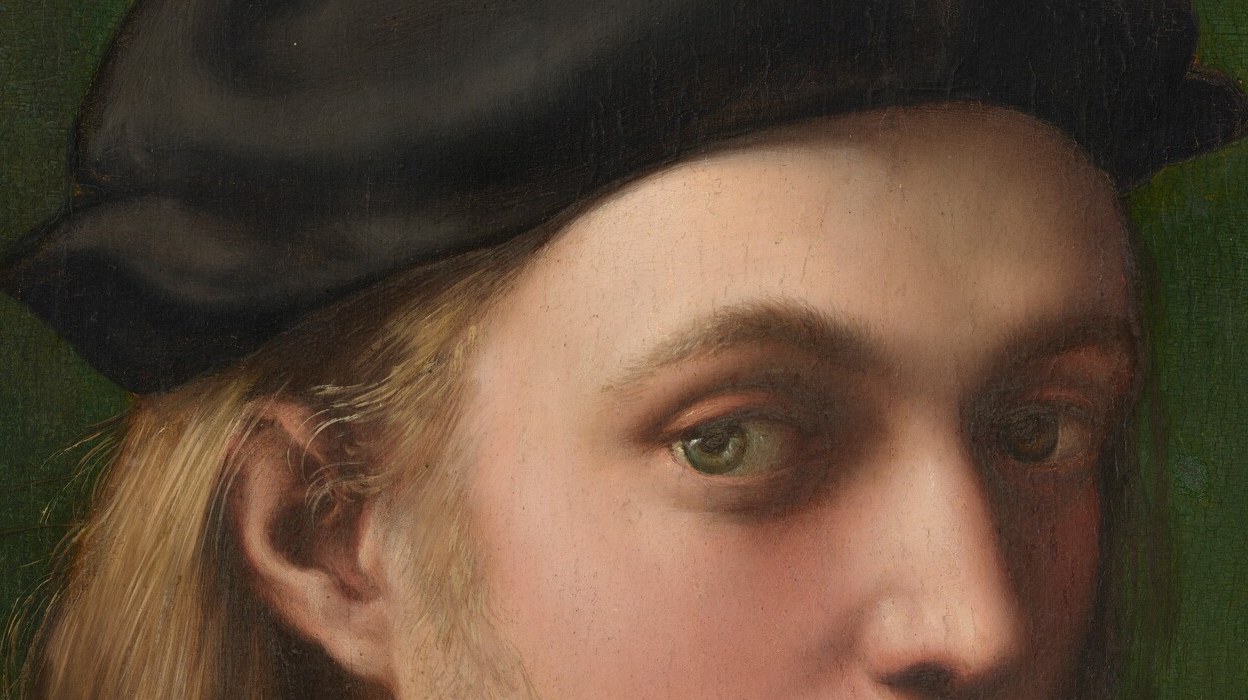
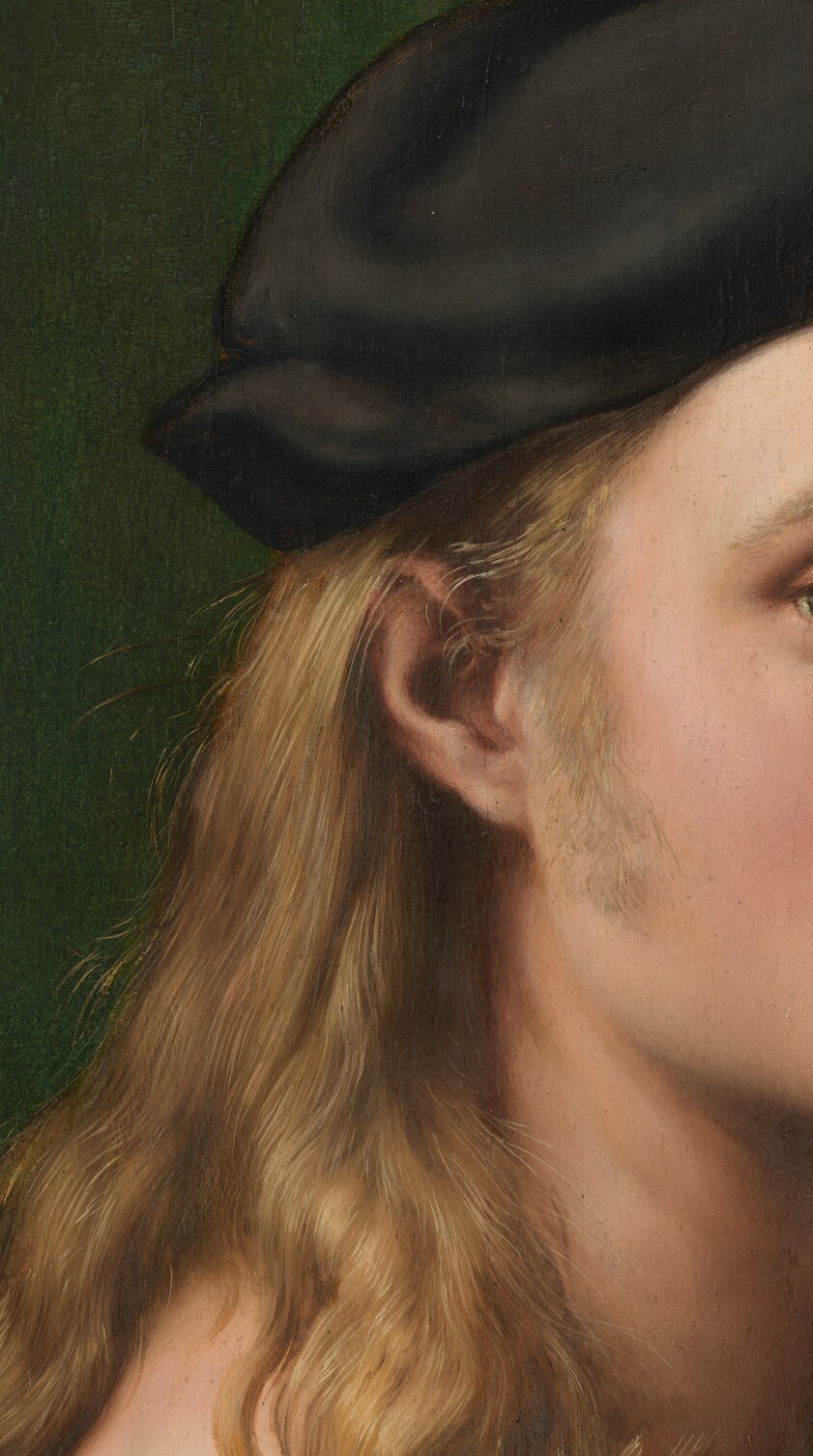
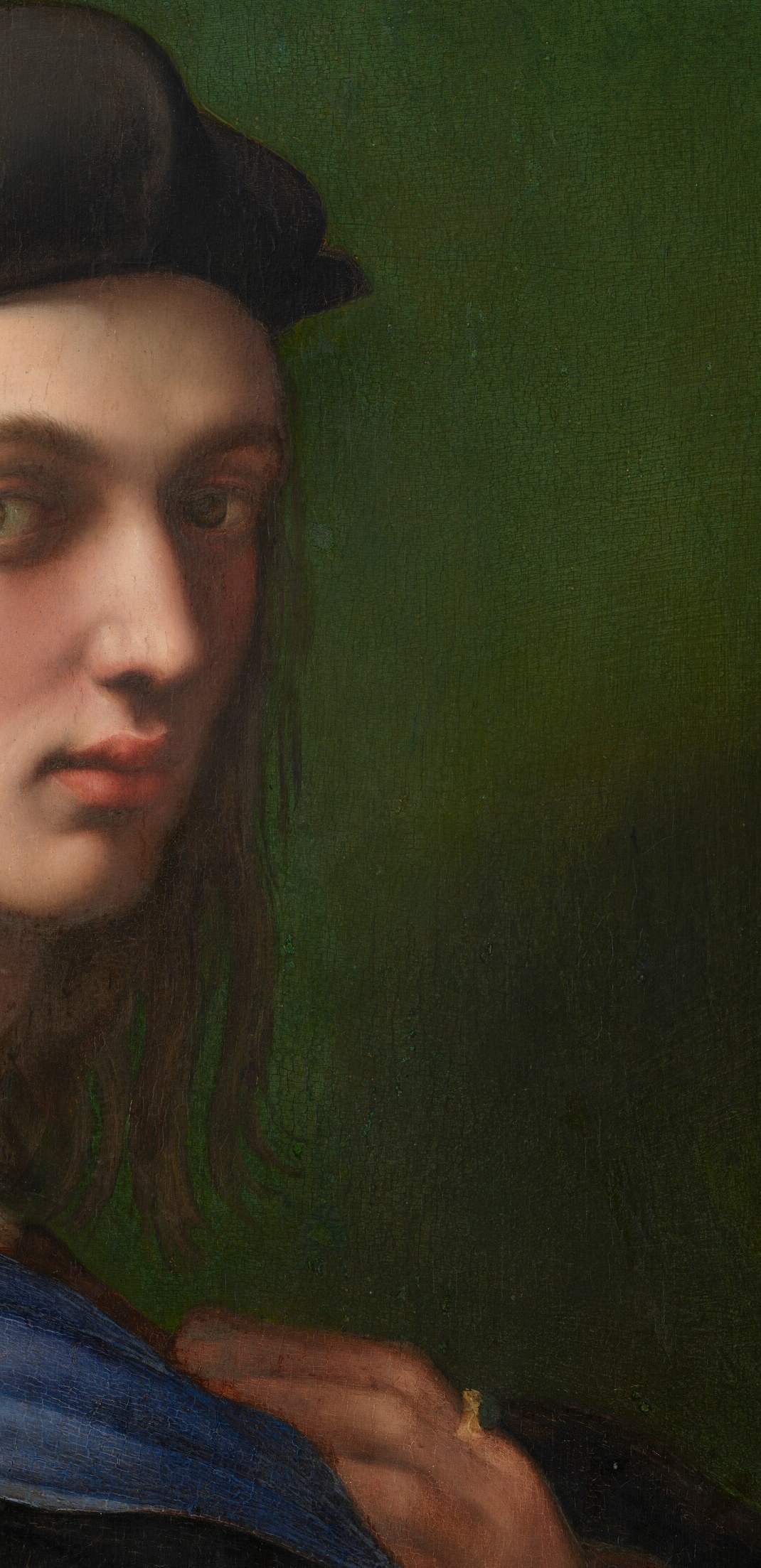
Look at the face. The body twists away, but both eyes meet yours directly. Raphael flooded half the face in Leonardo-style shadow, an experiment he rarely risked on male sitters. The long golden hair and lit neck were deliberate choices that contemporaries read as provocatively effeminate, and the ultramarine blue of his garment cost a fortune. Bindo Altoviti was a Medici banker, and every detail of this portrait broadcasts wealth and refinement.
The painting stayed with Altoviti's family for nearly three centuries before Ludwig I of Bavaria acquired it in 1808. It entered the Alte Pinakothek, where it remained until 1936. That year, with Nazi cultural authorities circling, the attribution came under sudden, convenient dispute. If it wasn't a real Raphael, it was less valuable to seize. English dealers took advantage of the confusion and spirited the portrait out of Germany. Samuel Henry Kress later bought it and gave it to the National Gallery.
The attribution debate is long settled: this is Raphael, working at the height of his Roman period and chasing what he saw in Leonardo. The soft half-shadow, the charged stillness, the androgynous beauty all land together in a single face that refused to vanish.
Details
Transcript
He was a Medici banker, rich enough to wear ultramarine. His body turns left, but his eyes lock you from the right. Raphael borrowed this half-shadow face directly from Leonardo. For 300 years, his descendants kept this painting. In 1808, the King of Bavaria bought it. Then, in 1936, Nazi authorities prepared to claim it. Experts suddenly argued it wasn't a real Raphael. Canny English dealers slipped it out of Germany.