Annunciation by Belbello da Pavia
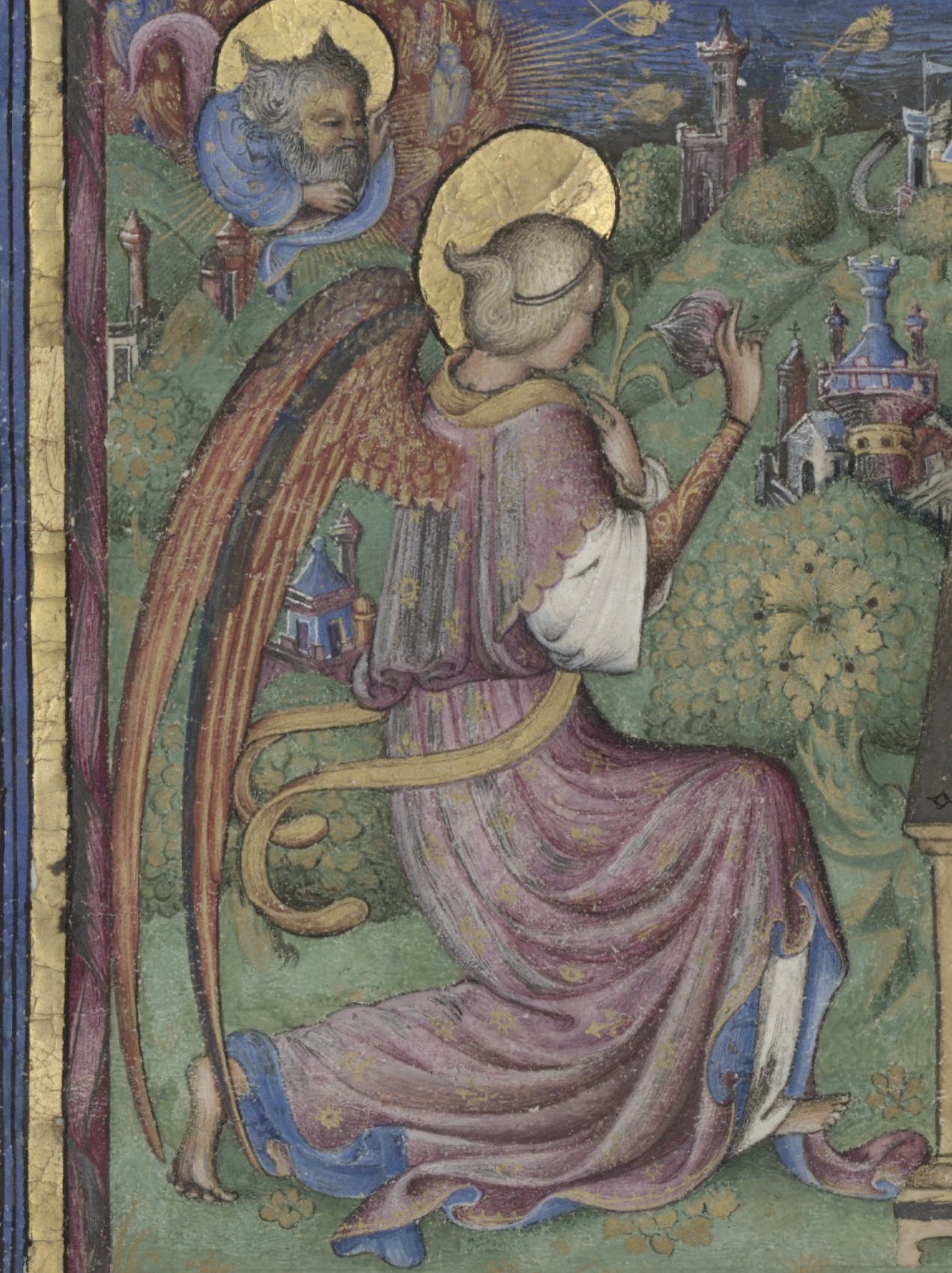
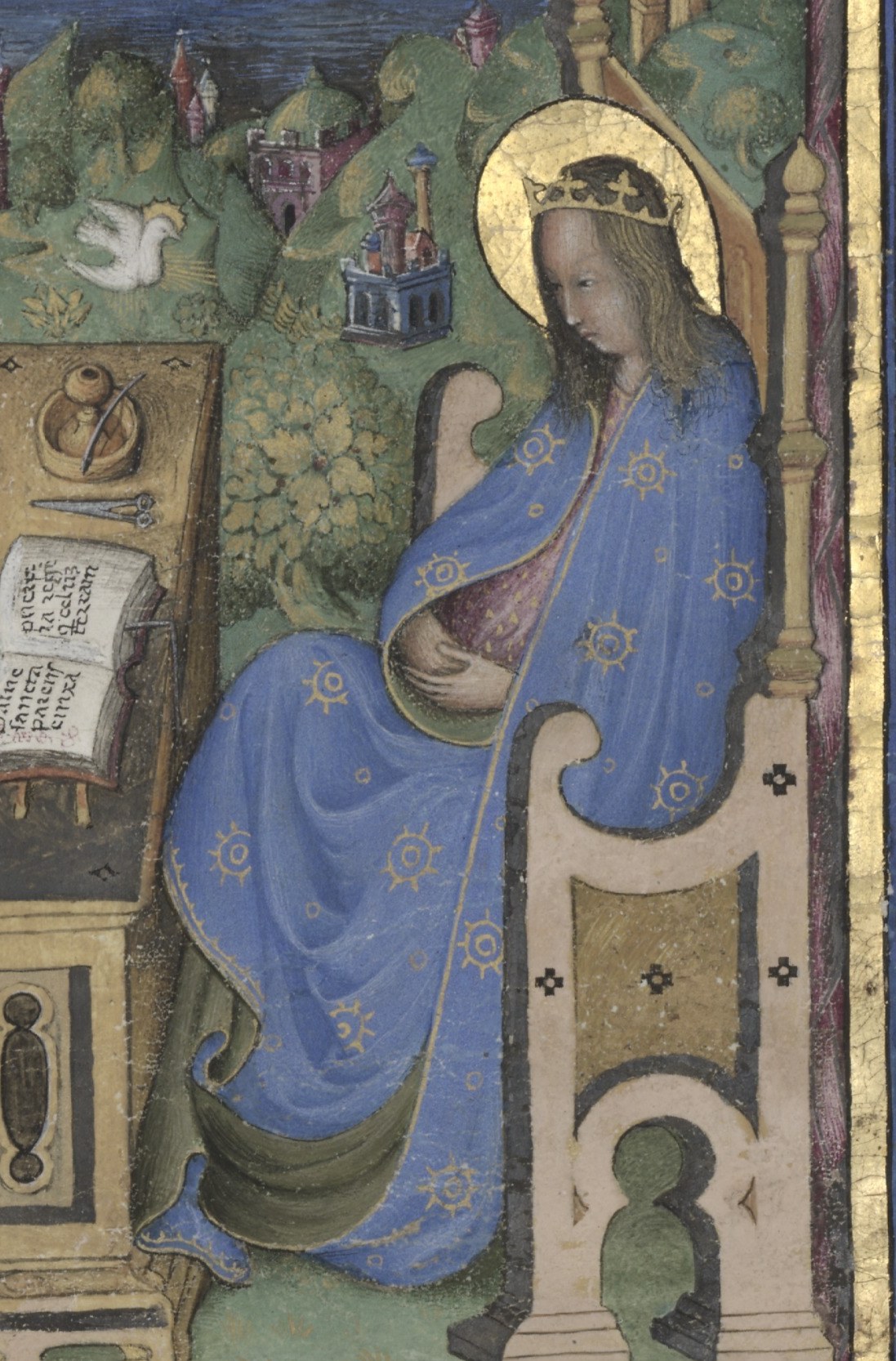
Belbello da Pavia's 'Annunciation,' painted around 1450, is more than a depiction of a biblical event; it's a tapestry woven with rich symbolism. This masterpiece, held at The Cleveland Museum of Art, invites viewers to decode its hidden messages.
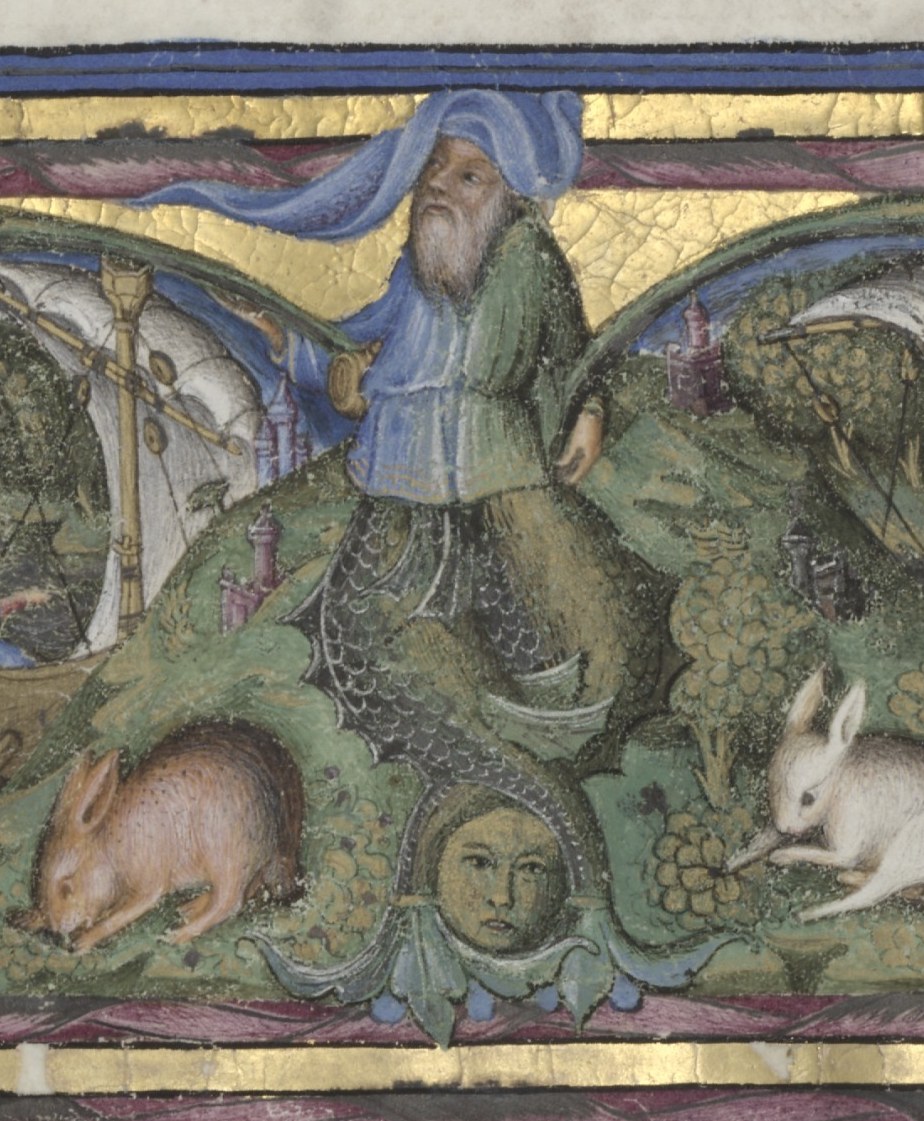
Look closely at the various elements beyond the main figures. While the descending dove clearly represents the Holy Spirit, other animals, like the coiled dragon, add layers of meaning. The dragon, often a symbol of evil or temptation, is subtly placed to show its diminished power in the face of divine grace. Nearby, the presence of a white rabbit, a symbol of purity and fertility, underscores the miraculous nature of the Annunciation.
Belbello da Pavia, an artist active in the mid-15th century, created works characterized by vibrant colors and intricate details, often reminiscent of illuminated manuscripts. This painting exemplifies his style, blending the sacred narrative with a finely crafted visual language that speaks to both earthly and divine realms.
What other subtle details do you notice that might hold further symbolic meaning?
Details
Transcript
This painting tells a familiar story, but with hidden meanings. The Archangel Gabriel announces a divine birth to Mary. Above them, the descending dove symbolizes the Holy Spirit. But look closely in the foliage: a coiled dragon. It represents evil, now overcome by the divine intervention. Nearby, a white rabbit symbolizes purity and new life. These details transform the scene into a rich theological statement.