A Young Woman in a Landscape by http://www.wikidata.org/.well-known/genid/ed309b9e4538690c6c0e8732ba93d8af
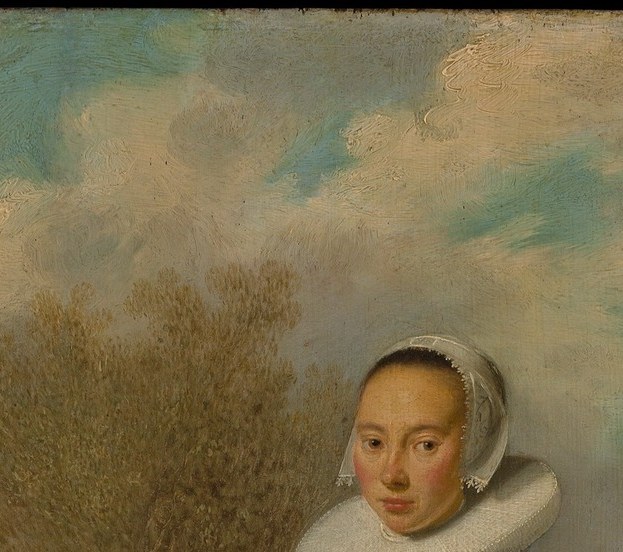
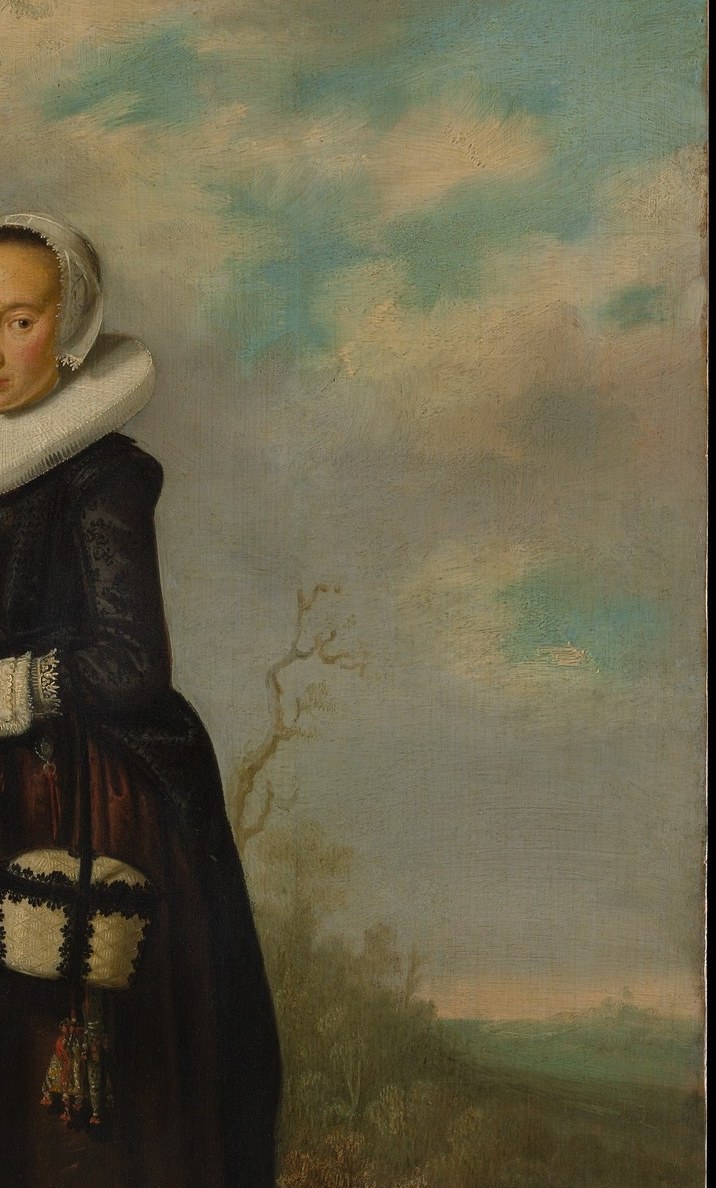
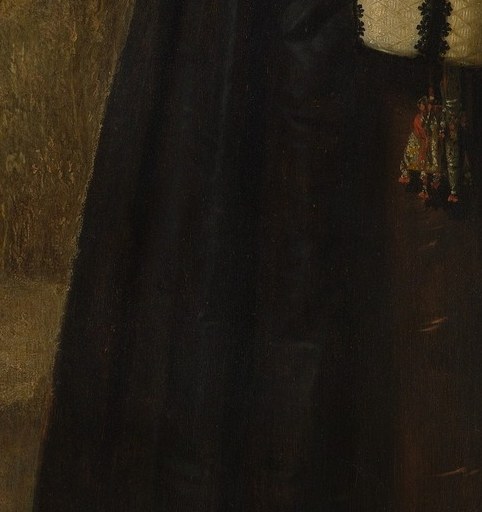
This is A Young Woman in a Landscape, painted in 1636 by an unknown Dutch artist. For centuries it hung quietly in a gallery, a peaceful portrait of a respectable young woman. But during the Second World War, it became a fugitive. The painting was stripped from its frame, rolled up, and hidden under a mattress to protect it from Nazi confiscation.
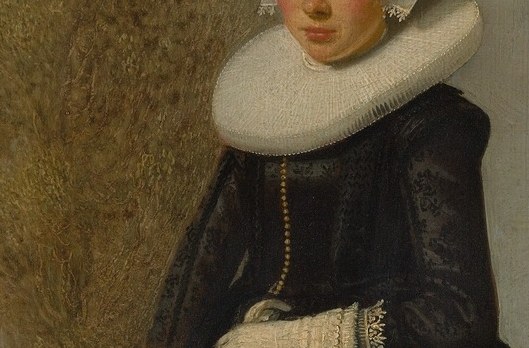
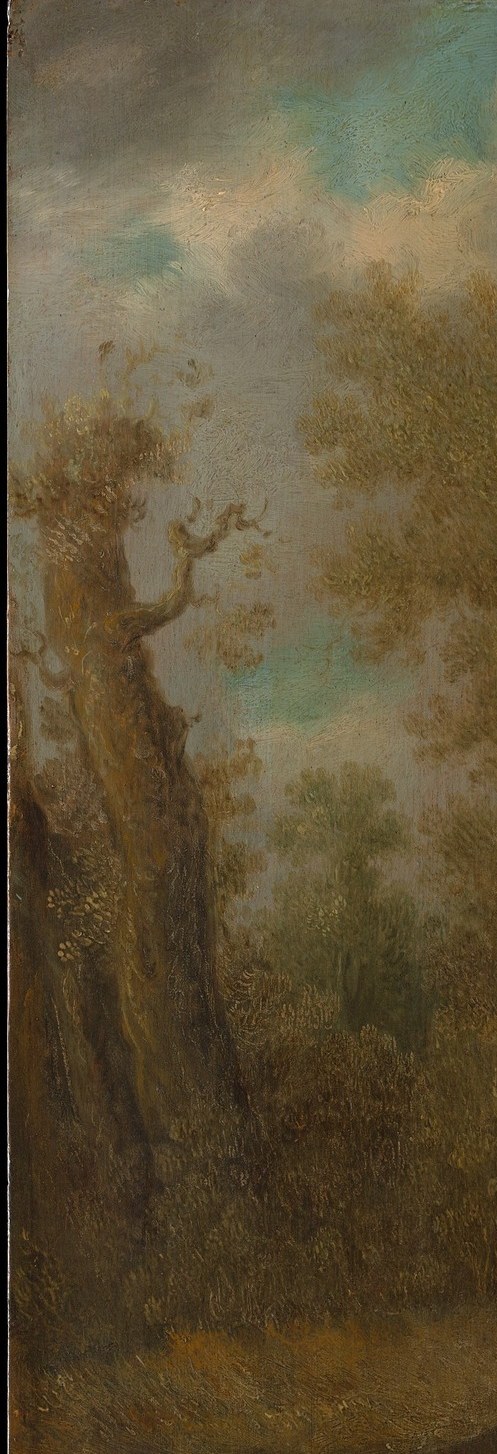
Look closely at her necklace. The single strand of pearls sits against the stark black silk of her gown. In 17th-century Dutch portraiture, pearls like these encoded purity and mercantile wealth. She is not showing off; she is stating exactly who she is. Then look past her to the trees. On the left, a bare, gnarled trunk. On the right, a thriving canopy. This pairing of death and life is a vanitas motif, a quiet reminder of mortality woven into a celebratory likeness.
When the invasion began, museum staff across the Netherlands scrambled to secure their collections. Works were moved under cover of night to bunkers, attics, and private homes. This woman’s composed face vanished into darkness. She emerged after the war, unrolled and examined, one of the thousands of pieces of art that survived because ordinary people refused to let them be taken.
The next time you stand before a tranquil old portrait, ask yourself: where was it in 1943?
Details
Transcript
She looks like any other well- dressed Dutch woman from 1636. But this painting spent the 1940s rolled up under a mattress. When the Nazis invaded, the museum packed its masterpieces into secret vaults. Look at the pearls at her throat. A mark of virtue and merchant wealth. Now look over her shoulder. A bare, dead tree on the left. And a lush canopy on the right. Life against decay, even in peacetime. The woman who sat for this had no idea her portrait would go into hiding. It survived. Unrolled, restored, and hung here, for you.