Singers by Augustin Théodule Ribot
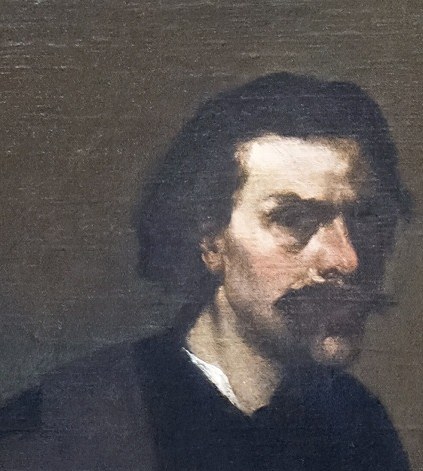
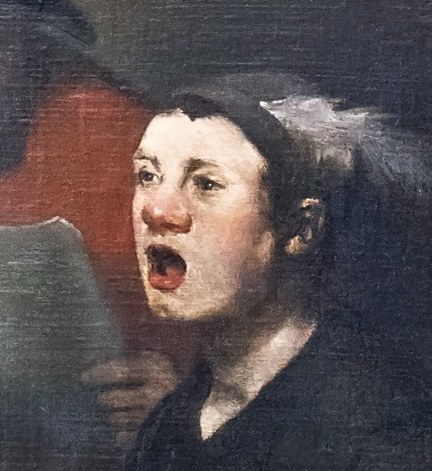
Théodule Ribot's "Singers" from 1865, held at The Cleveland Museum of Art, is a stunning example of chiaroscuro, a technique that masterfully uses strong contrasts between light and dark.
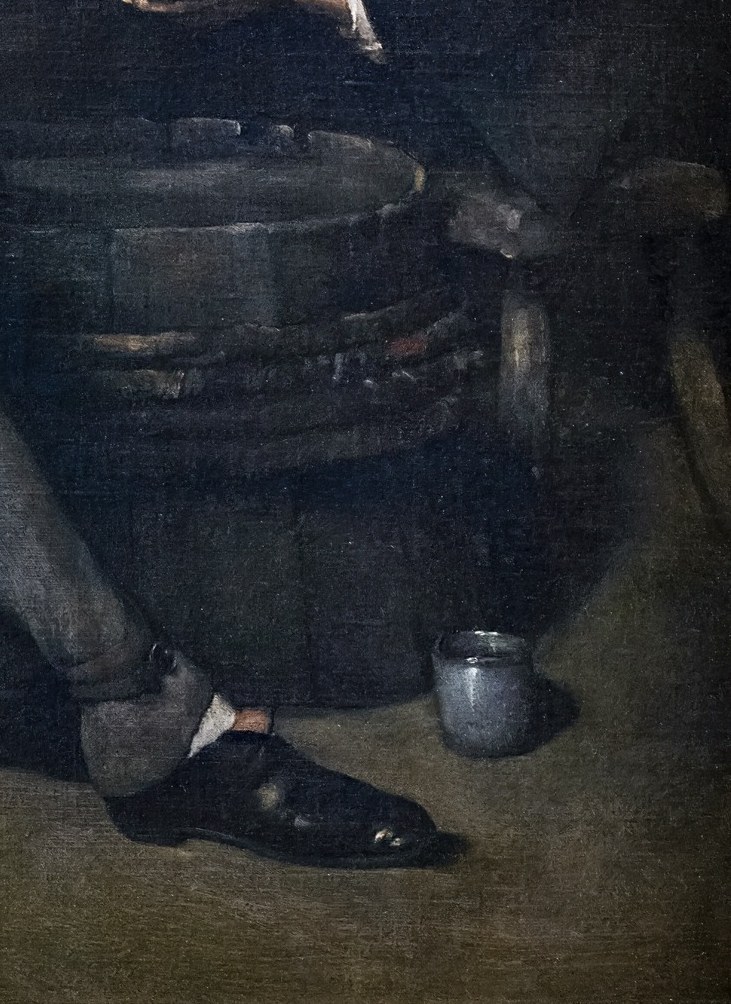
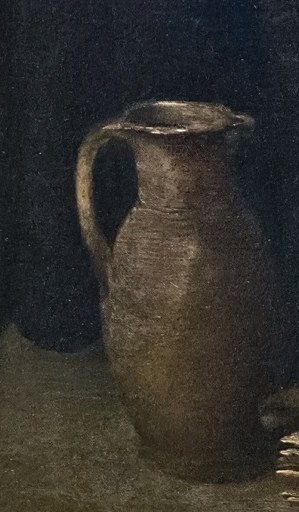
Notice how the faces and instruments glow, almost luminous, against the deep, enveloping shadows. Ribot painted these scenes by lamplight, a practice that informed his dramatic style. Every detail, from the lute player's focused hands to the earthenware jug, is defined by the surrounding darkness.
Ribot, largely self-taught, began his career as an artisan before gaining recognition for his genre scenes, often depicting everyday subjects with striking realism. His use of chiaroscuro not only creates a sense of intimacy but also highlights the skill and emotion of the musicians.
This painting invites you to look closely at how light, or the absence of it, shapes what we see.
Details
Transcript
This painting is about making light visible. See how the bright faces emerge from deep shadow. This dramatic effect is called chiaroscuro. The painter worked by lamplight, painting dark to bright. Every object here is made visible by its surrounding dark. The more intense the shadow, the brighter the light feels.