Portrait of a Young Man by Hals, Frans
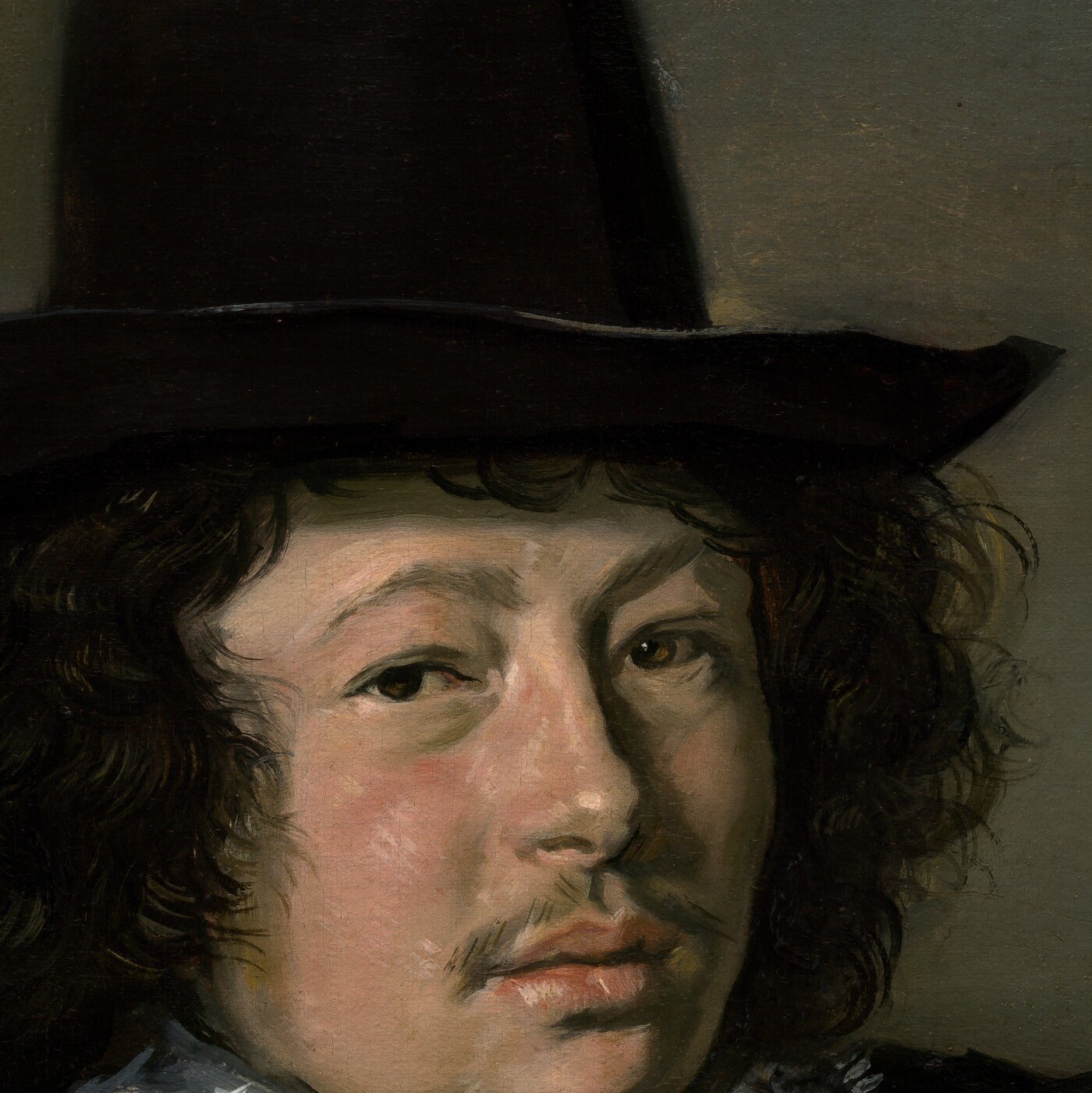
This is Frans Hals's 'Portrait of a Young Man', painted around 1647 and now in the National Gallery of Canada. What looks from a distance like a polished society portrait turns out, on closer inspection, to be a masterclass in speed. Hals wasn't trying to hide his brushwork, he made it the point.
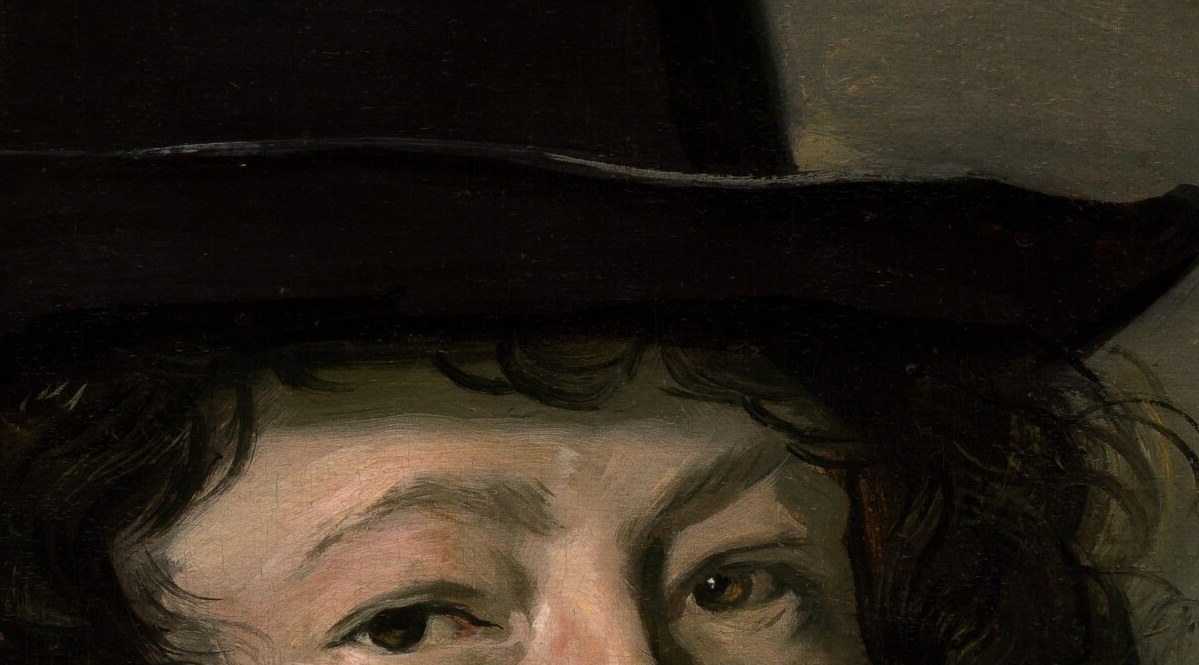
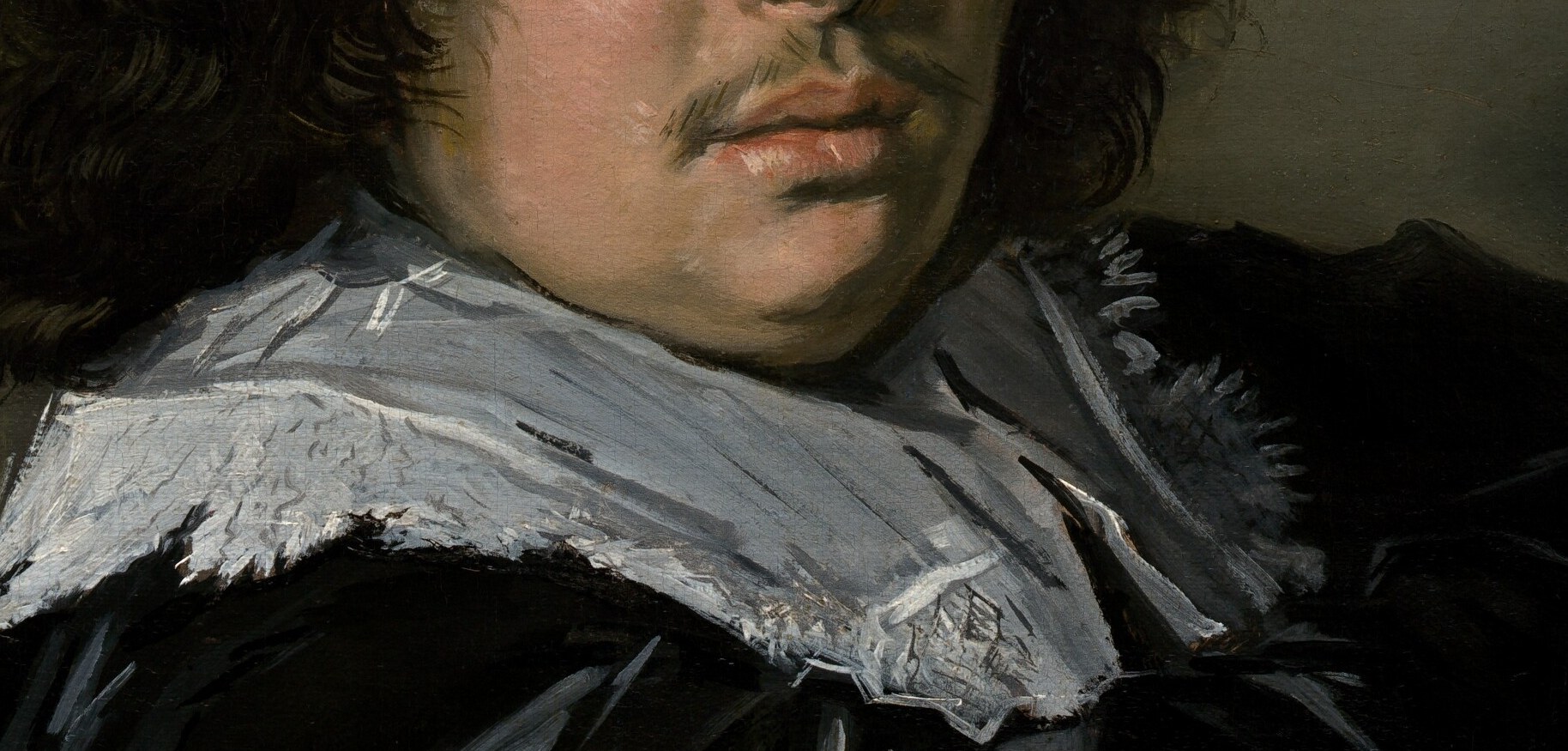
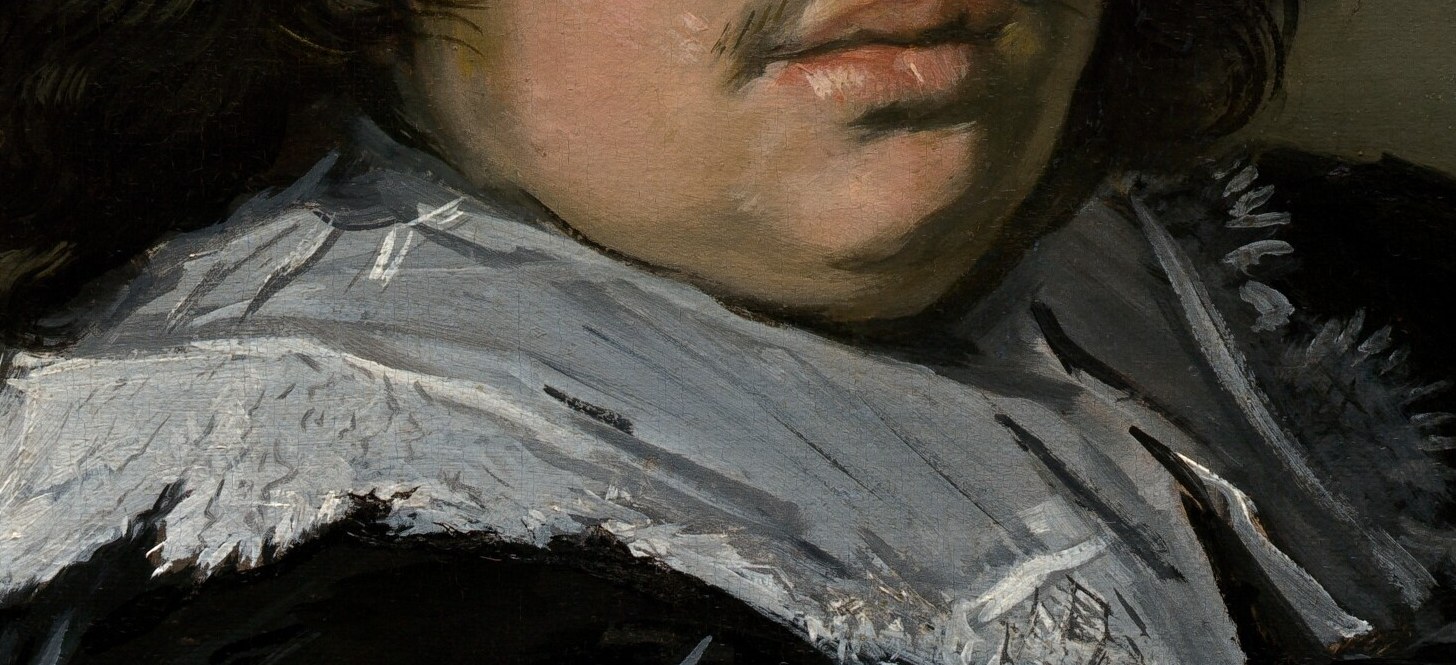
The young man's direct gaze is the anchor: Hals specialised in eyes that seem to track you across the room. But the real rewards are in the details. Look at the white lace collar, what reads as delicate textile from a metre away becomes a chaos of loose white and grey strokes up close, a kind of controlled abstraction that was radical for its time.
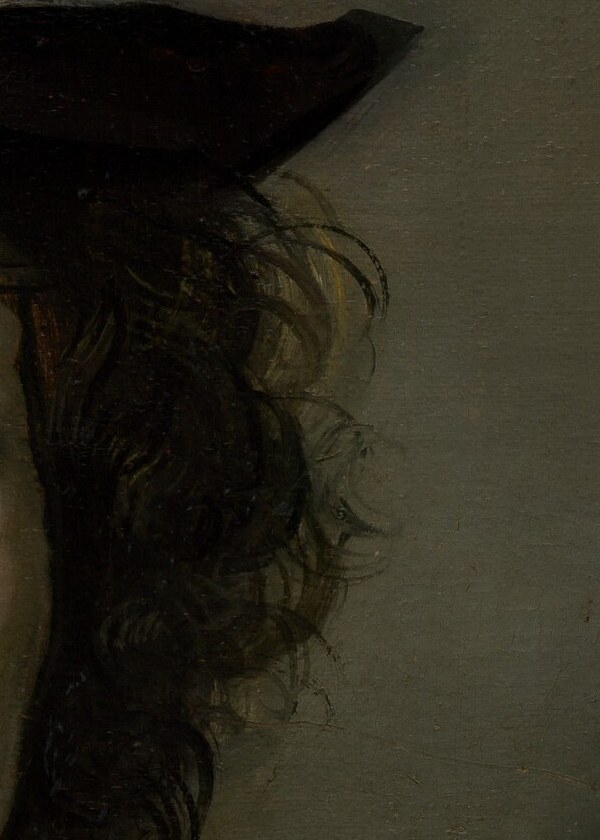
Now look even closer, at the right ear just visible under the hat brim. Hals painted it with three or four summary marks, and yet when you step back, the ear resolves perfectly. That economy is what separated him from his rivals in Haarlem, where wealthy merchants competed for his portraits precisely because he could capture a likeness with unmatched vitality and speed.
Hals lived and worked his entire career in Haarlem, and his loose, painterly style fell out of fashion late in his life in favour of smoother, more polished portraiture. He died in 1666, largely forgotten. The rediscovery of his genius in the 19th century changed how we see the Dutch Golden Age. Next time you stand in front of a Hals, step as close as the guard will let you, the painting gets wilder the nearer you get.
Details
Transcript
He meets your eye like he just noticed you enter the room. Frans Hals made his living on that look in 17th-century Haarlem. He was the fastest painter in the Dutch Golden Age. You can see the speed best in the lace. From six inches away it stops being lace and becomes a storm of white and grey dabs. Now find the right ear, under the hat brim. Three strokes, maybe four. And yet the ear is fully there.