A Sunday Afternoon on the Island of La Grande Jatte by Georges Seurat
Georges Seurat's A Sunday Afternoon on the Island of La Grande Jatte, completed between 1884 and 1886, is a monumental work of Neo-Impressionism and a prime example of the pointillist technique. This iconic oil painting, housed at the Art Institute of Chicago, captures a vibrant scene of Parisian leisure.
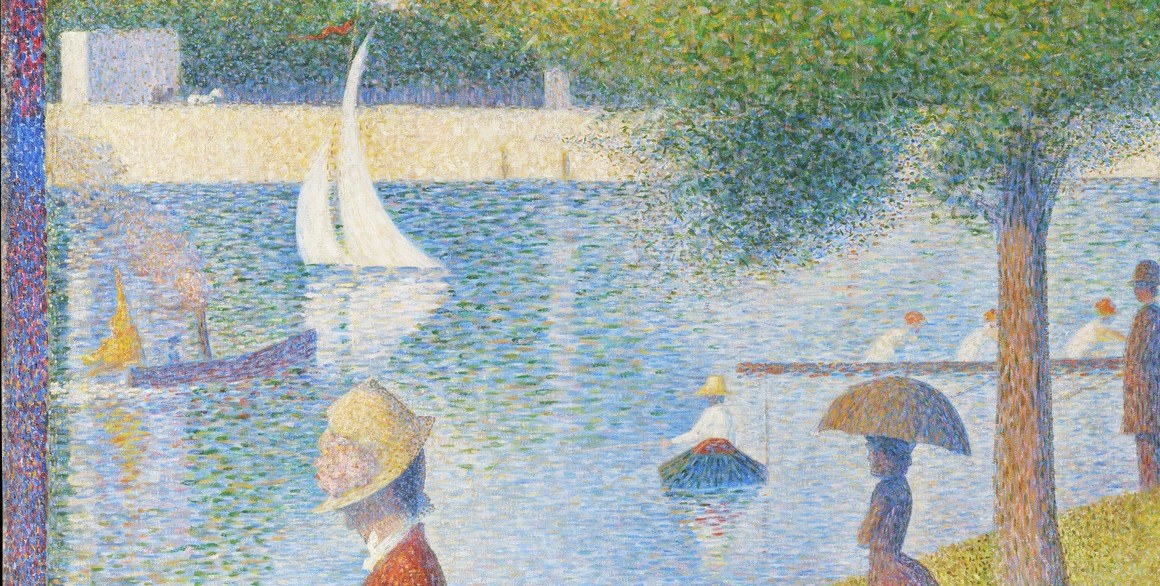
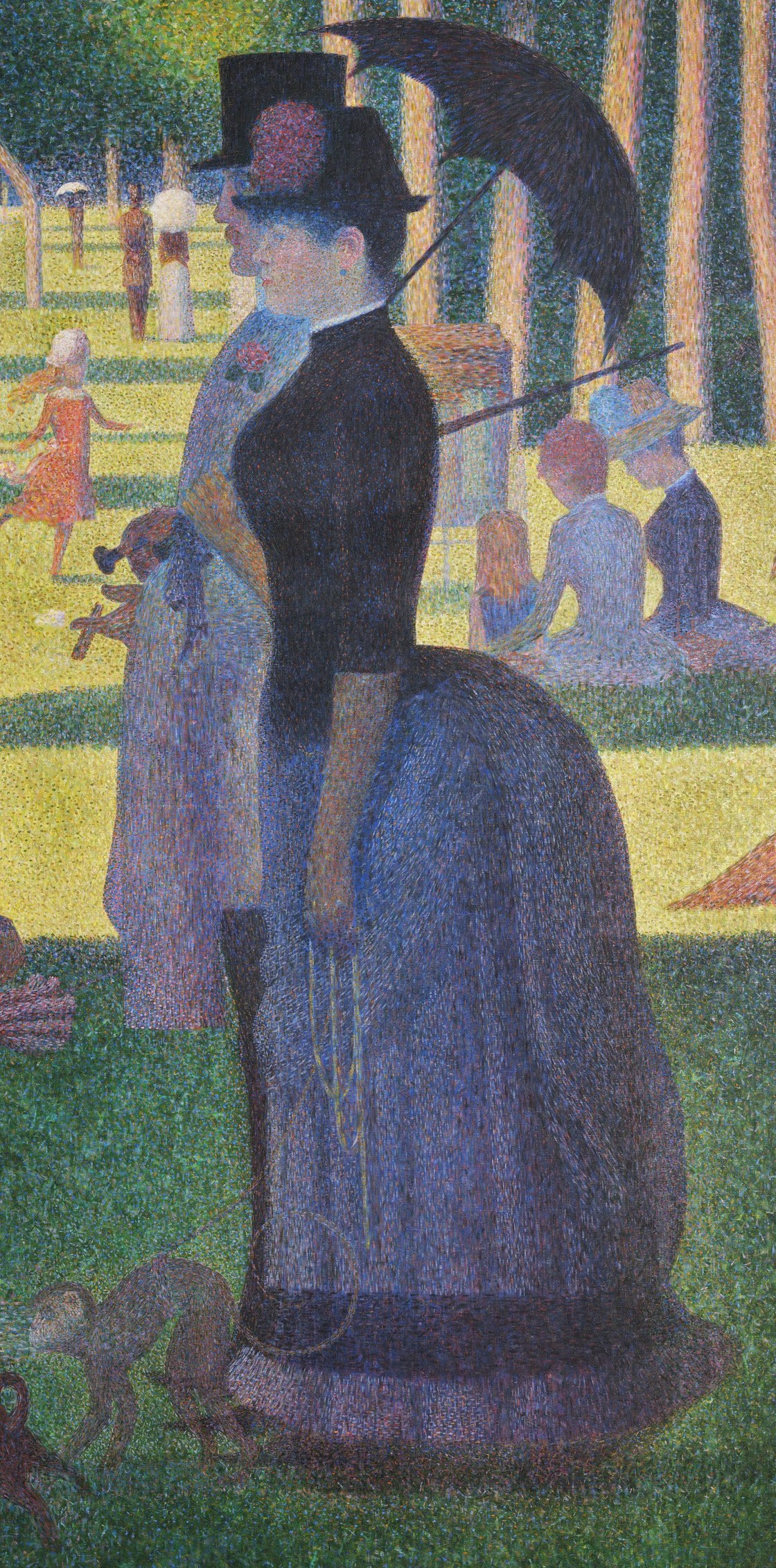
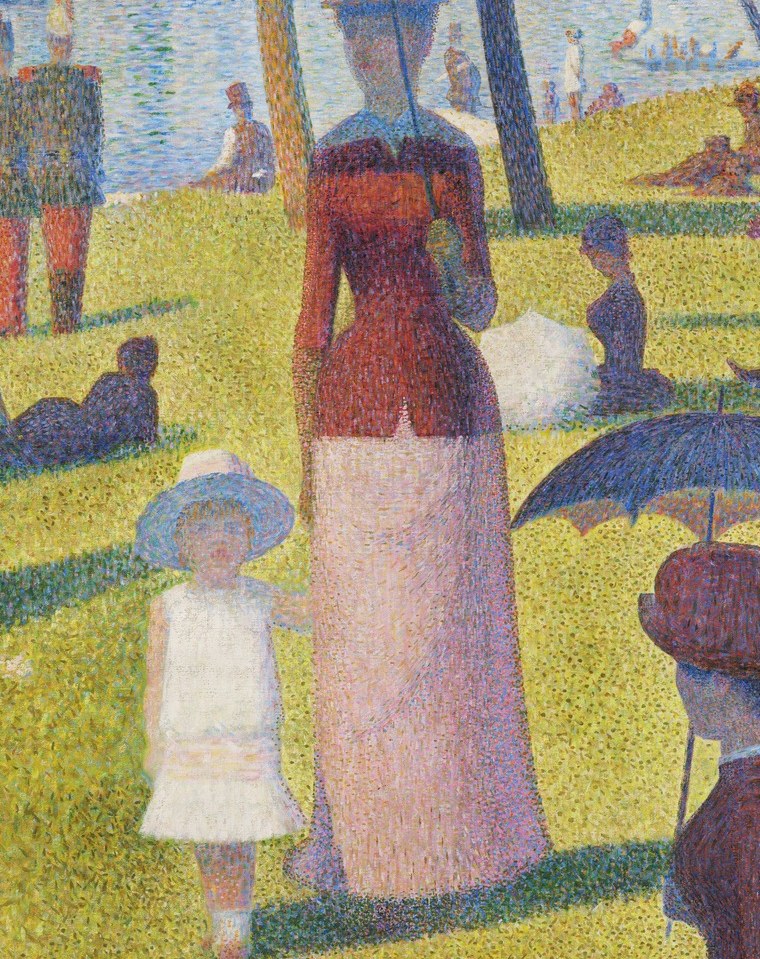
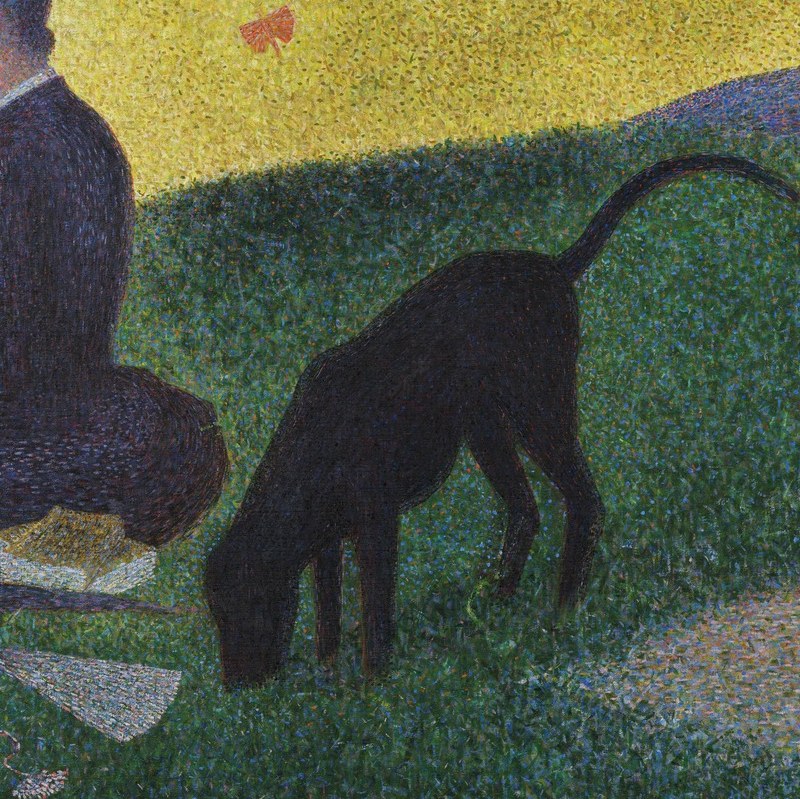
Look closely and you'll see how every figure, every shadow, every blade of grass is composed of countless tiny dots of pure color. Seurat painstakingly applied these dots, allowing the viewer's eye to optically blend the colors from a distance, creating luminous hues and subtly defined forms.
The painting shows Parisians from different social strata enjoying a leisurely Sunday on the island of La Grande Jatte in the River Seine. This systematic approach to color theory and composition, which took Seurat two years to complete, played a crucial role in the emergence of the Neo-Impressionist movement.
What do you notice first about the light in this painting?
Details
Transcript
Paris, the 1880s. Sundays were for strolling on La Grande Jatte. This island in the Seine was a popular escape for city dwellers. Every figure here is painted from tiny dots of pure color. This meticulous style, called Pointillism, took two years to complete. The artist, Georges Seurat, layered these dots to create new hues. It was a radical new way to capture light and shadow. He sought to make color more luminous, more alive.