Portrait of a Flemish Lady by Dyck, Anthony van, Sir
View the artwork: Portrait of a Flemish Lady →
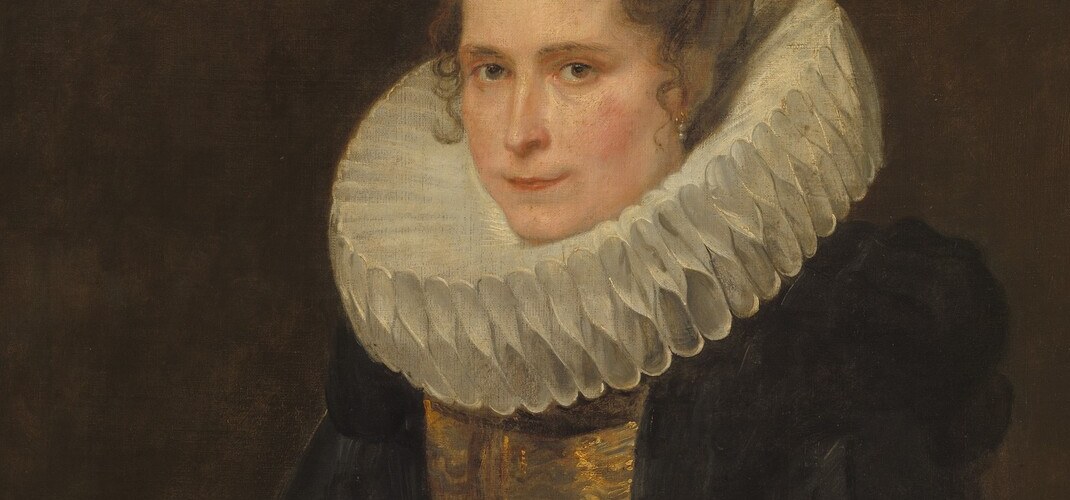
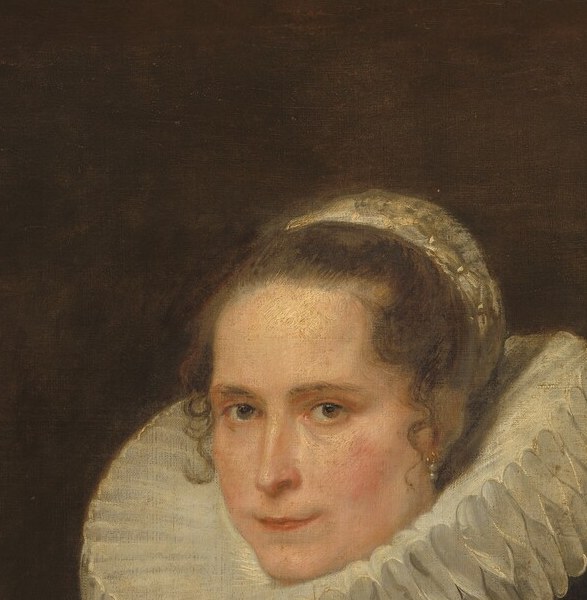
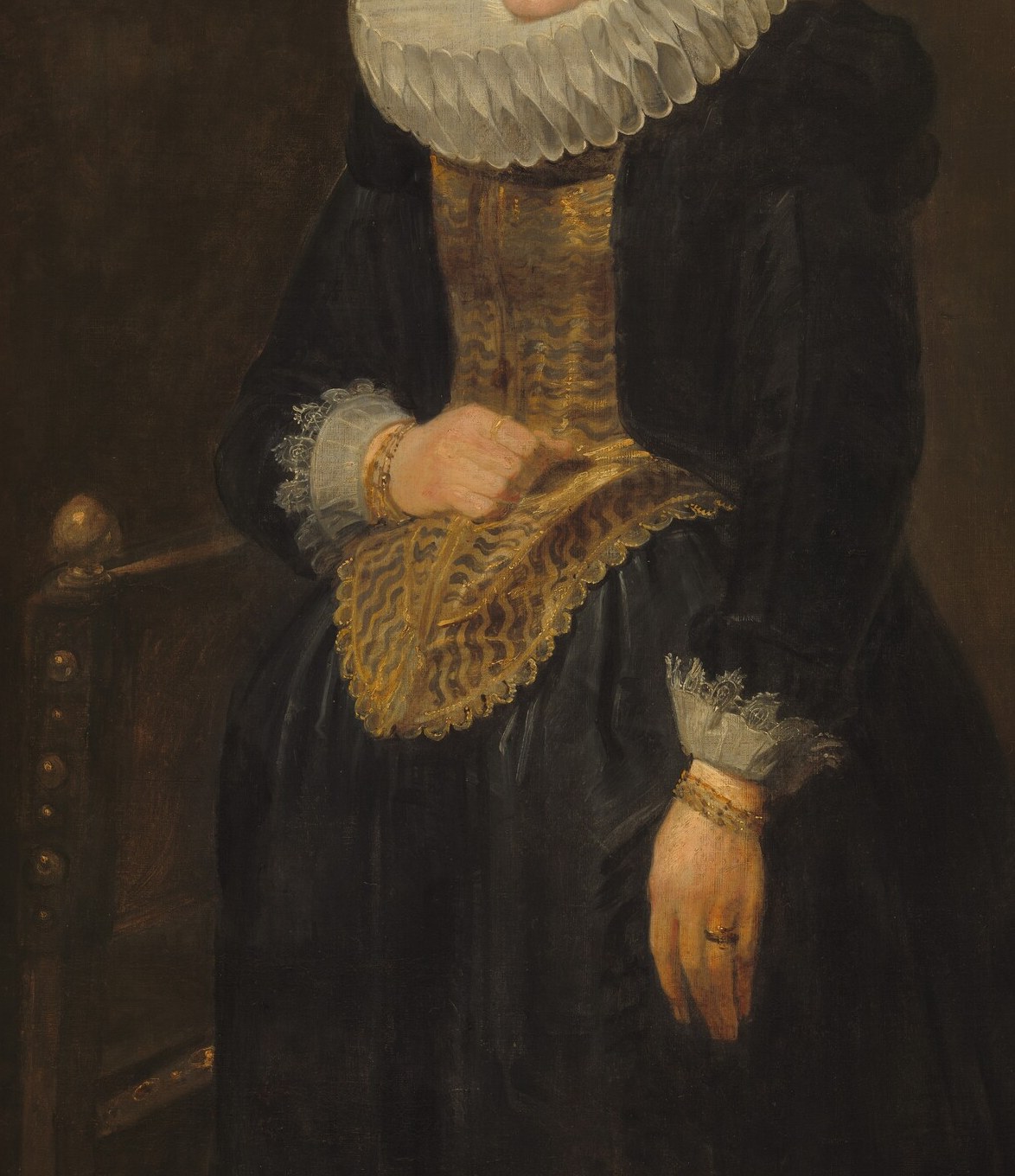
A young woman in Antwerp, dressed in the most expensive black silk available. Her portrait, painted around 1618, is a showpiece of the artist's precocious skill.
Anthony van Dyck was barely nineteen when he painted Portrait of a Flemish Lady, now in the National Gallery of Art in Washington. He was still working in the orbit of Peter Paul Rubens, absorbing the master's warm, dark palette. But the young painter was already developing his own signature: a remarkable ability to suggest aristocratic reserve and inner life in a single face.
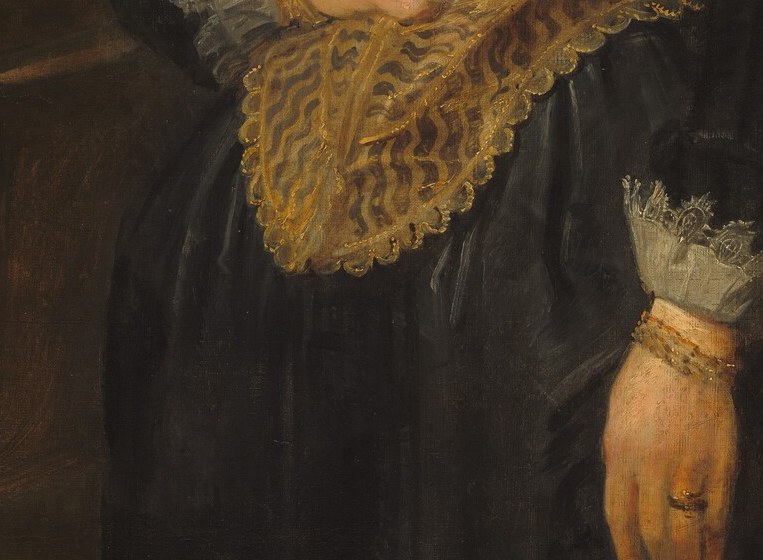
The real magic happens when you look at her millstone ruff. From a distance, it is a crisp, architectural halo of Flemish lace. Up close, the threads dissolve into swift, confident strokes of white paint. Van Dyck does not imitate the lace thread by thread. He creates the optical illusion of it, letting your eye assemble the detail his brush never actually painted.
The painting spent over 150 years in the Imperial Hermitage, misattributed to Rubens. It was only in the early 20th century that scholars recognized the hand of the younger genius. The woman's name is lost to history, but Van Dyck's name is written all over her collar.
#arthistory #vandyck #baroque
Details
Transcript
A wealthy Flemish woman, dressed in the deepest black money could buy. Her face is guarded, aware of being watched, but giving nothing away. This collar was a status symbol: hours of starching and pinning. Now look closely. The lace is not really lace. It is a rapid, confident shorthand. A performance in white paint. The painter was barely nineteen. He learned this trick from Rubens.