Artwork
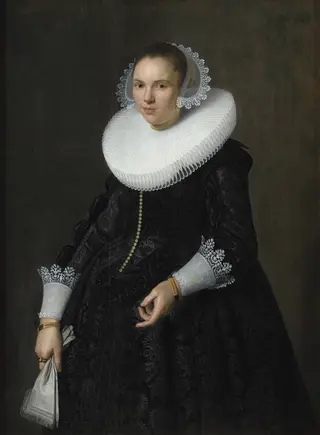
Portrait of a Flemish Lady
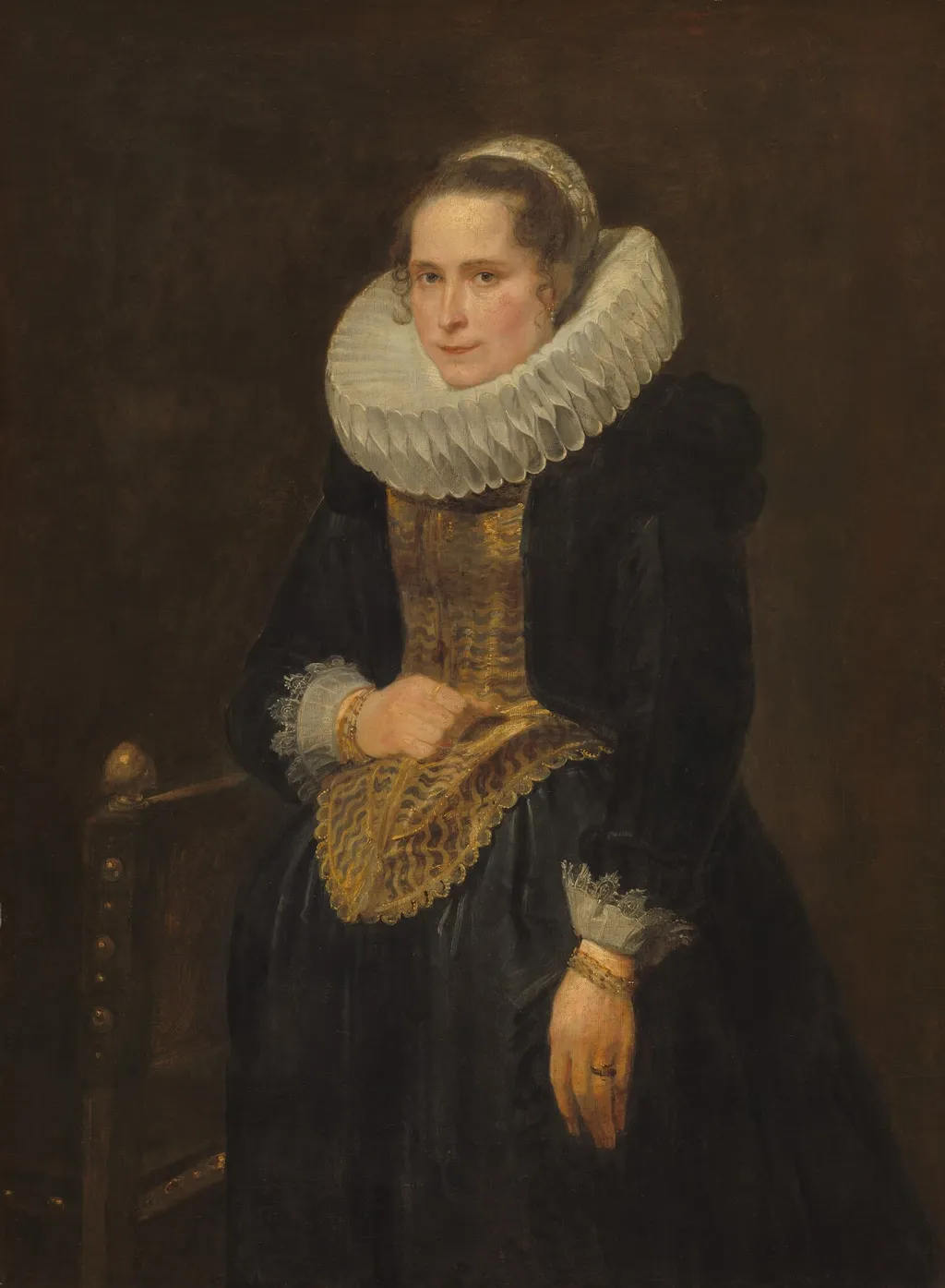
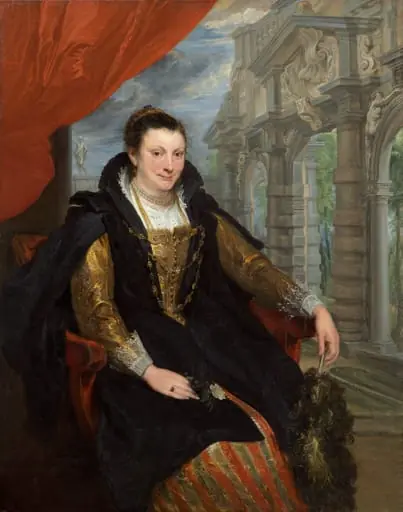
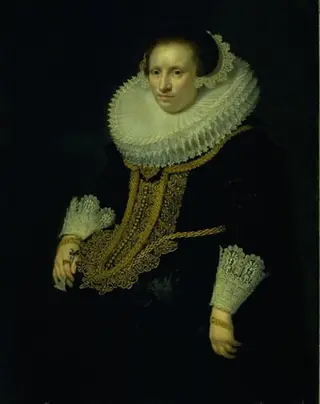
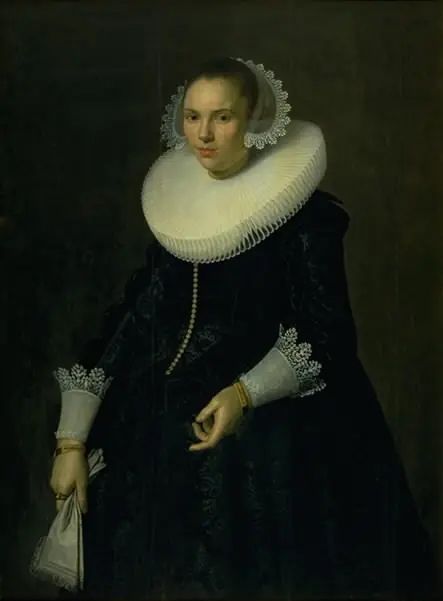
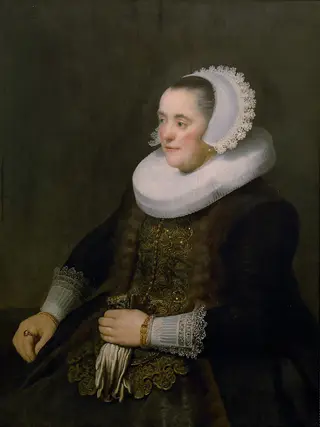
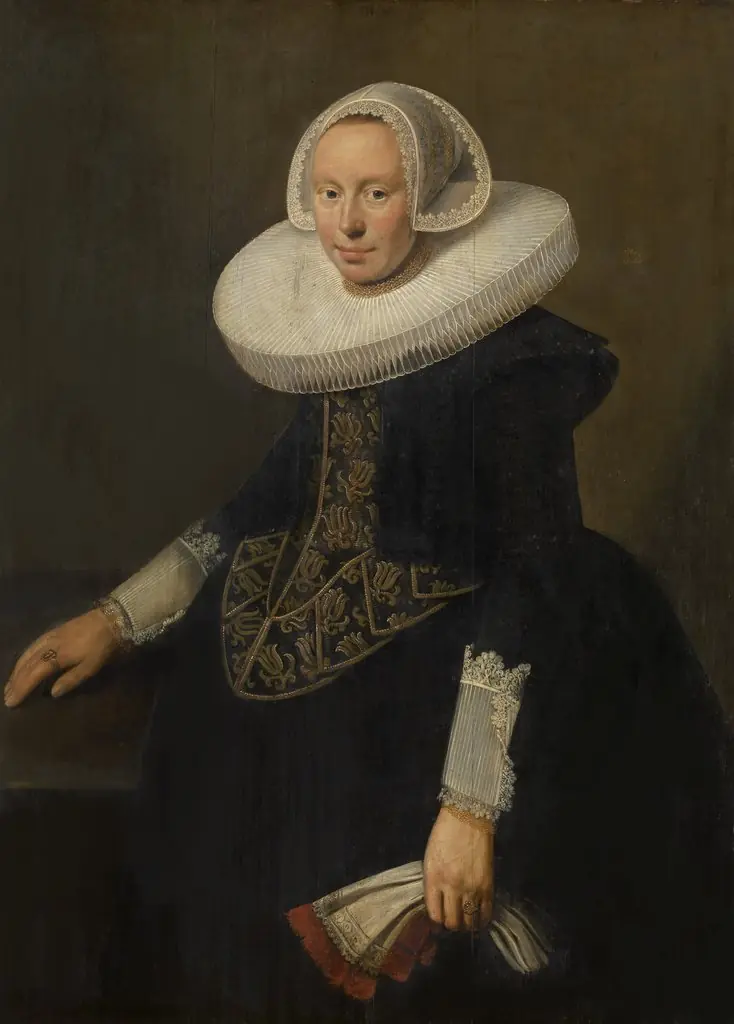
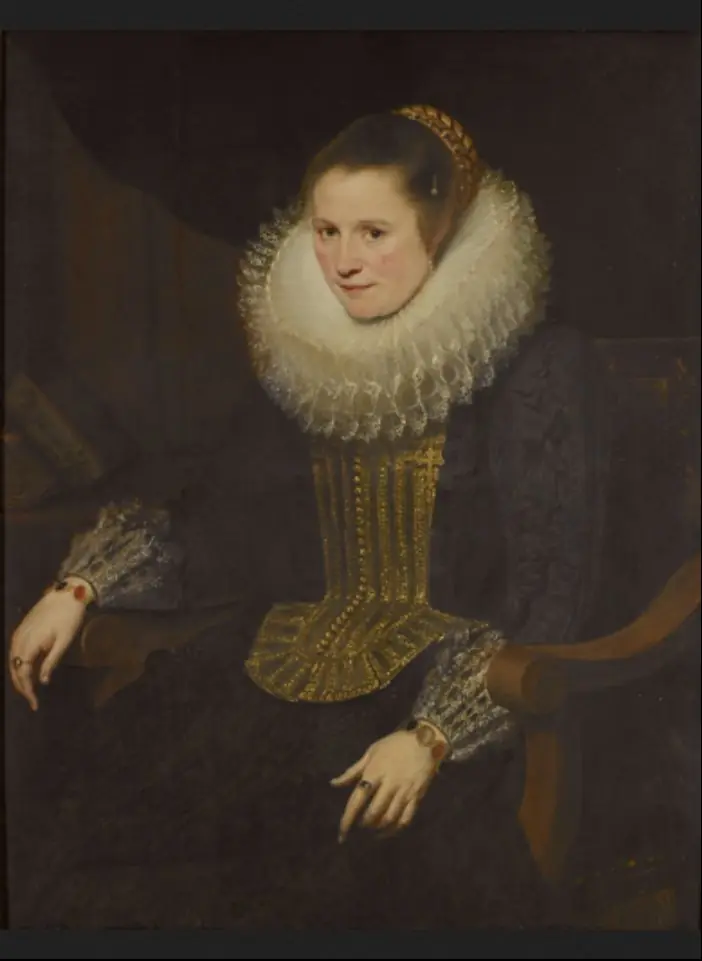
Portrait of a Flemish Lady is an oil painting by the Baroque artist Anthony van Dyck. It dates from 1618 and is held in the collection of the Andrew W. Mellon collection.
About this work
A young woman in dark silk and a millstone collar gazes out, her identity lost to history. Anthony van Dyck painted her around 1618 in Antwerp. For over a century and a half the canvas hung in the Imperial Hermitage, catalogued as a Rubens until scholars recognized the sharper chiaroscuro of Van Dyck's early hand. It is now in the Andrew W. Mellon Collection at the National Gallery of Art.
Overview
This three-quarter-length oil portrait, created by Anthony van Dyck around 1618 during his initial period in Antwerp, depicts an unidentified young woman.
This three-quarter-length oil portrait, created by Anthony van Dyck around 1618 during his initial period in Antwerp, depicts an unidentified young woman. The painting showcases the artist's early talent for imbuing formal aristocratic representation with a sense of individual presence. It reflects the stylistic influences of his master, Peter Paul Rubens, while also demonstrating Van Dyck's emerging distinct artistic voice.
Subject & Meaning
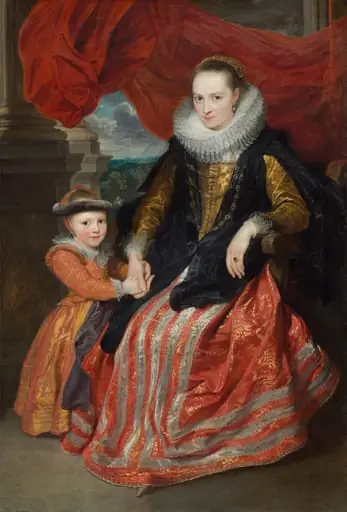
The sitter is depicted in the opulent fashion of affluent Flemish citizens from the late 1610s. Her attire includes a costly black silk gown, a rigid gold brocade stomacher, delicate lace cuffs, and a broad millstone collar. She also holds a jeweled hair ornament adorned with pearls. This presentation combines the era's expected aristocratic decorum with an underlying sense of the subject's individual character.
Technique & Style
Painted during Van Dyck's formative years in Antwerp, this work exhibits the strong influence of Peter Paul Rubens, particularly in its rich, somber color scheme and pronounced use of dramatic illumination. However, the canvas also reveals Van Dyck's developing personal style. Art historians later noted its more defined chiaroscuro and elegant, somewhat angular forms as hallmarks of his early technique, distinguishing it from his master's broader manner.
History & Provenance
The painting's documented history begins with Parisian collector Pierre Crozat, whose heirs retained it until 1772. At that time, Denis Diderot facilitated its acquisition by Catherine the Great for the Imperial Hermitage in Saint Petersburg, as part of the Crozat collection. For over 150 years, it was attributed to Rubens until early twentieth-century scholarship correctly identified Van Dyck as the artist.
Andrew W. Mellon acquired the work between 1930 and 1931 during Soviet sales of Hermitage holdings, eventually donating it to the National Gallery of Art in 1940.
Own this work as a print
Artist & collection
Artist
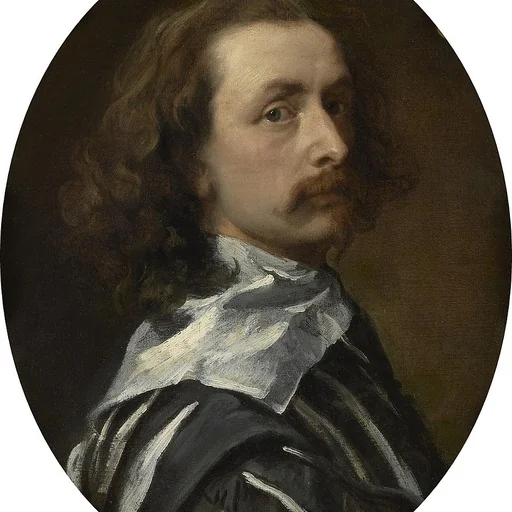
Sir Anthony van Dyck (; Dutch: Antoon van Dijck; 22 March 1599 – 9 December 1641) was a Flemish Baroque artist, who became the leading court painter in England after success in the Spanish Netherlands and Italy.