Mont Sainte-Victoire by Paul Cézanne
Paul Cézanne was famously captivated by Mont Sainte-Victoire, painting it over and over, including this 1902 oil painting, now at The Metropolitan Museum of Art. His repeated studies were not mere reproductions but deep investigations into how light and color define the world around us.
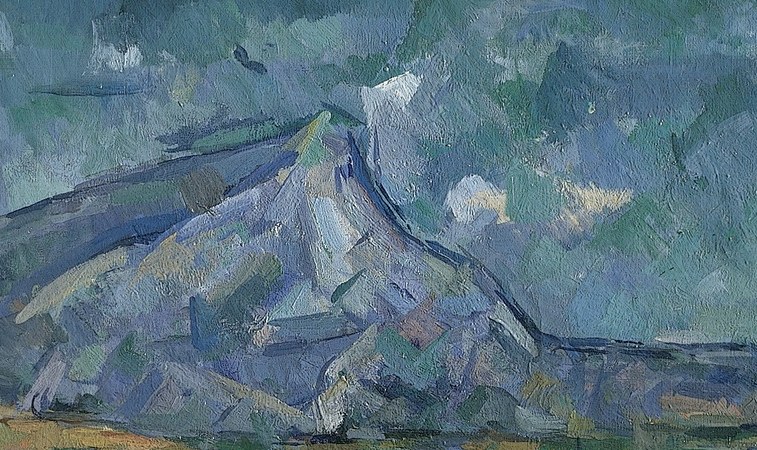
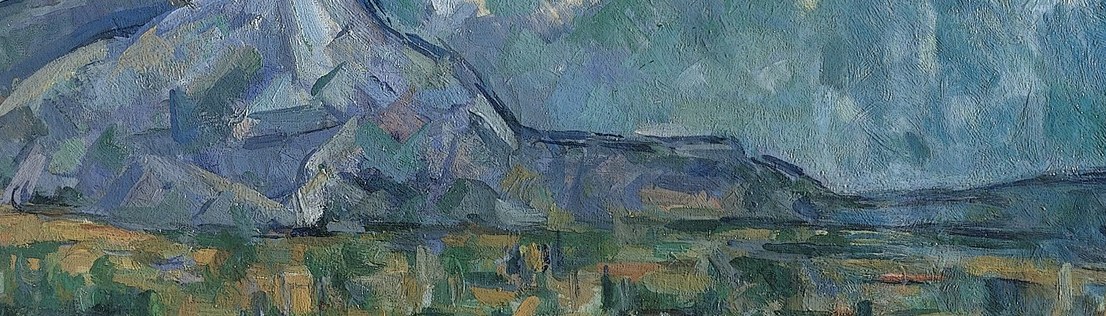
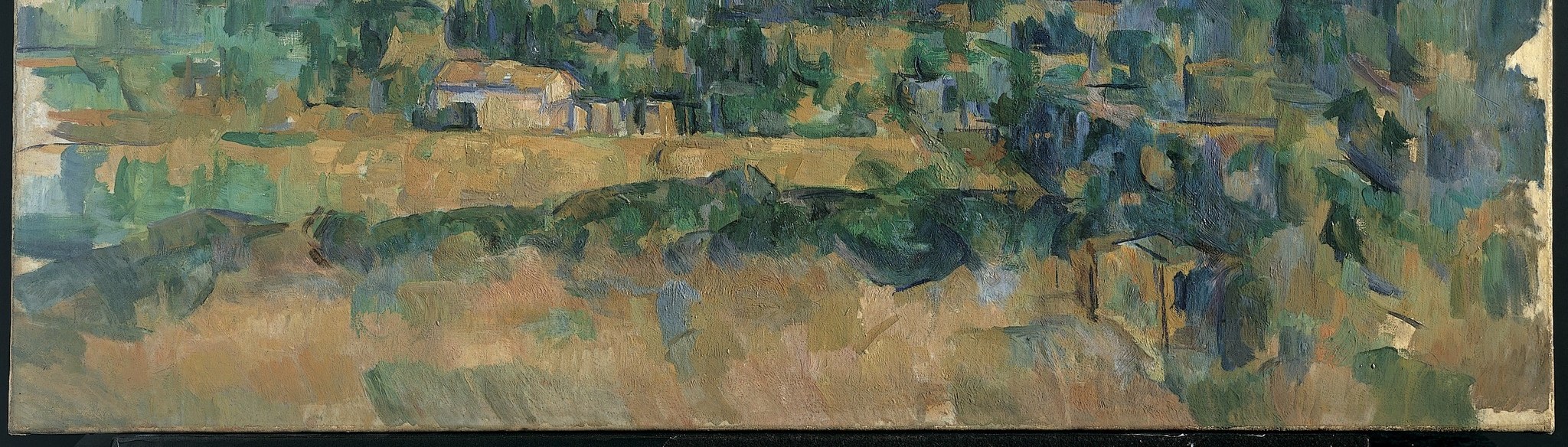
Observe how Cézanne constructs the mountain's form. He uses distinct, almost mosaic-like brushstrokes and subtle shifts in color to give the illusion of volume and solidity, rather than relying on traditional outlines.
This painting is a key example of Cézanne's groundbreaking approach. His method, which emphasized underlying structure and the geometric properties of nature, provided a crucial link between the Impressionism of his contemporaries and the Cubism that would emerge in the early 20th century, forever changing art.
What do you see in the brushwork that feels both structured and dynamic?
Details

Transcript
This mountain, Mont Sainte-Victoire, obsessed one painter. He painted it repeatedly, exploring how light defines form. See how he builds the mountain's slope from color alone? His brushstrokes here anticipate an entirely new art movement. This work helped bridge Impressionism to Cubism.