Portrait of a Lady by German 16th Century
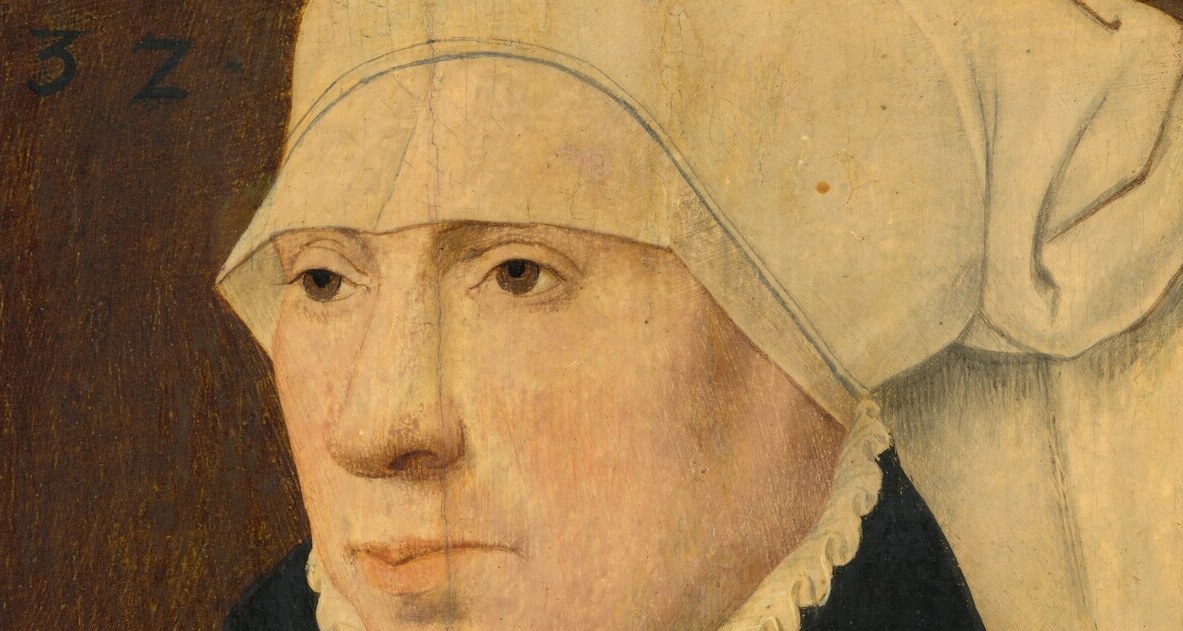
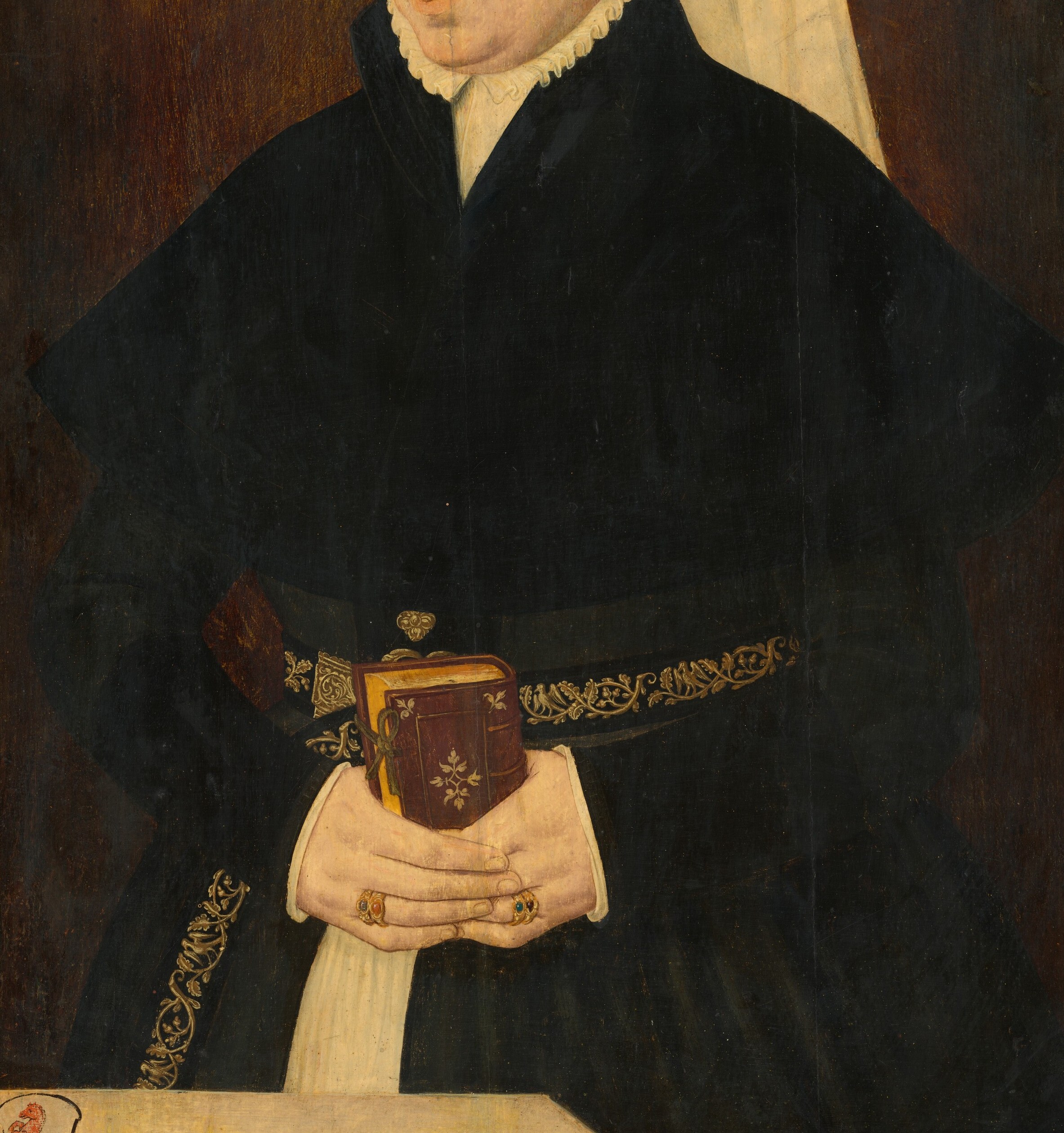
This is "Portrait of a Lady," painted in 1532 by an unknown German master. It is a portrait built from code. Every object on her person was chosen to broadcast a specific message about who she was, and a 16th-century viewer would have read it instantly.
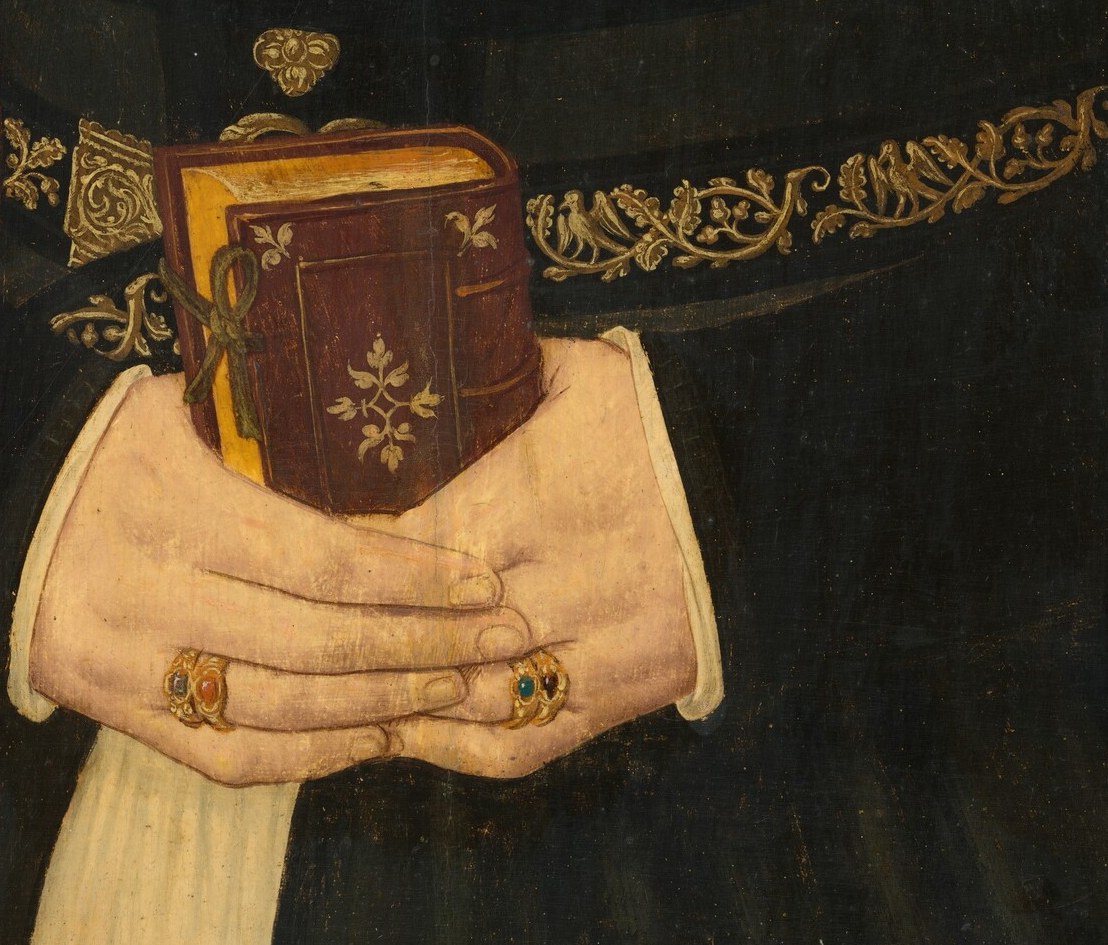
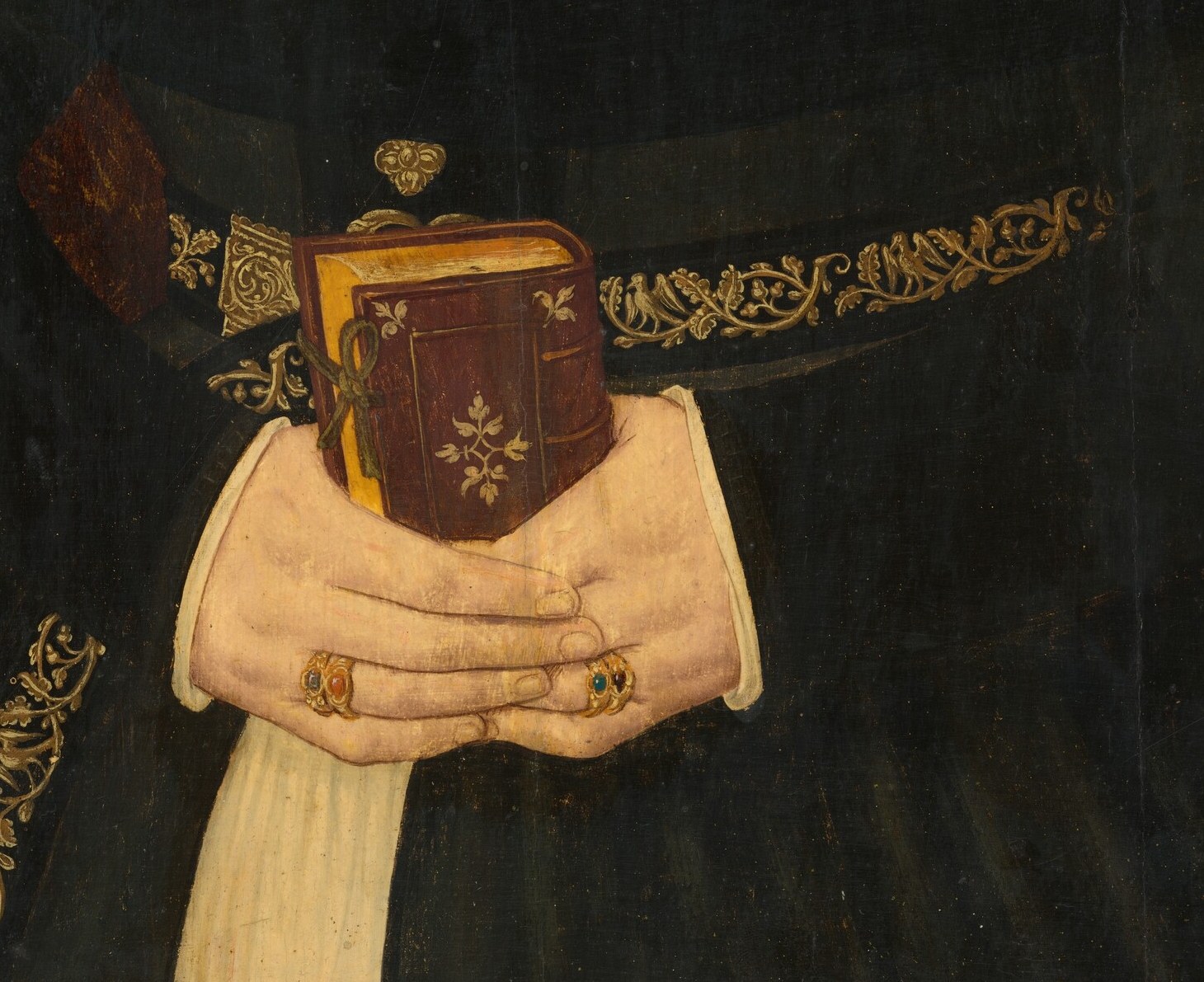
Look first at the small gilded box in her hands. Its hinged lid and decorative form mark it as a reliquary, a container for a saint's relic or a folded prayer. Holding it for a portrait was a deliberate act of public piety. Then drop your eyes to the chain at her waist. That is a chatelaine, from which hung the keys to the household stores, a needle-case, perhaps a small book. It was the unmistakable badge of a woman who ran a substantial home.
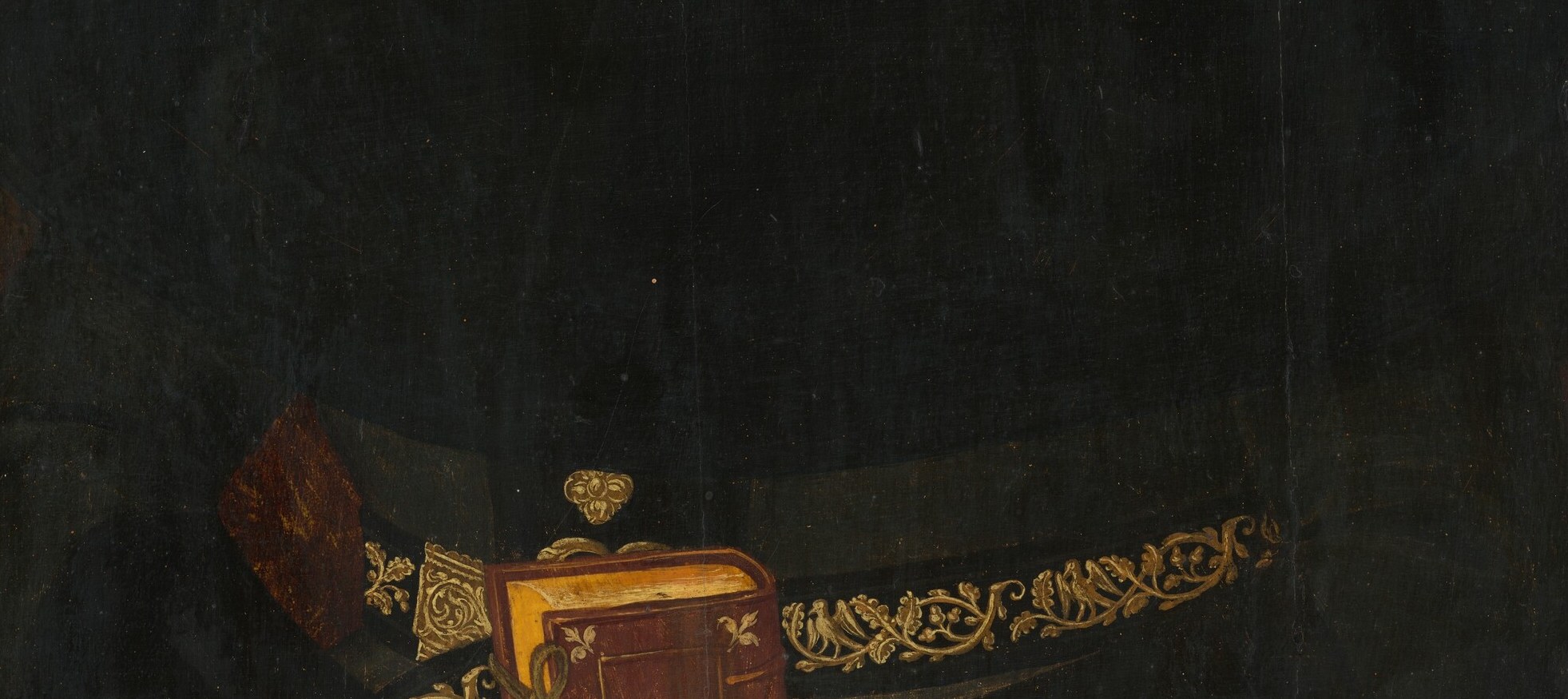
The final signal is the broadest one: the unrelieved black wool of her dress. In Reformation Germany, abandoning bright dyes and ornament was not a matter of taste alone. It was a visible commitment to Protestant sobriety, worn like armor. Together, these three objects declare that she was devout, she was competent, and she was disciplined.
The artist remains unknown, though the small cartouche in the lower left may once have held a monogram. The painting is tempera on panel, a medium that rewards precision, and the anonymous painter gave his full attention to the metalwork of the chatelaine and the fine linen of her headdress. She is now one of thousands of quietly authoritative women preserved in museum collections, still holding her reliquary, still waiting to be read.
Details
Transcript
She seems sealed away. A woman of black cloth and silence. But she is speaking. You just have to know the code. Start with what she holds. A gilded box, hinged at the lid. A reliquary. It held a saint's relic, or a prayer inside. She declares her piety without speaking a word. Now the chain at her waist. Keys and tools on a clasp. A chatelaine. It meant she governed the household. The unbroken black wool was a final signal: Protestant restraint, worn as armor.