Portrait of a Gentleman by Pompeo Batoni
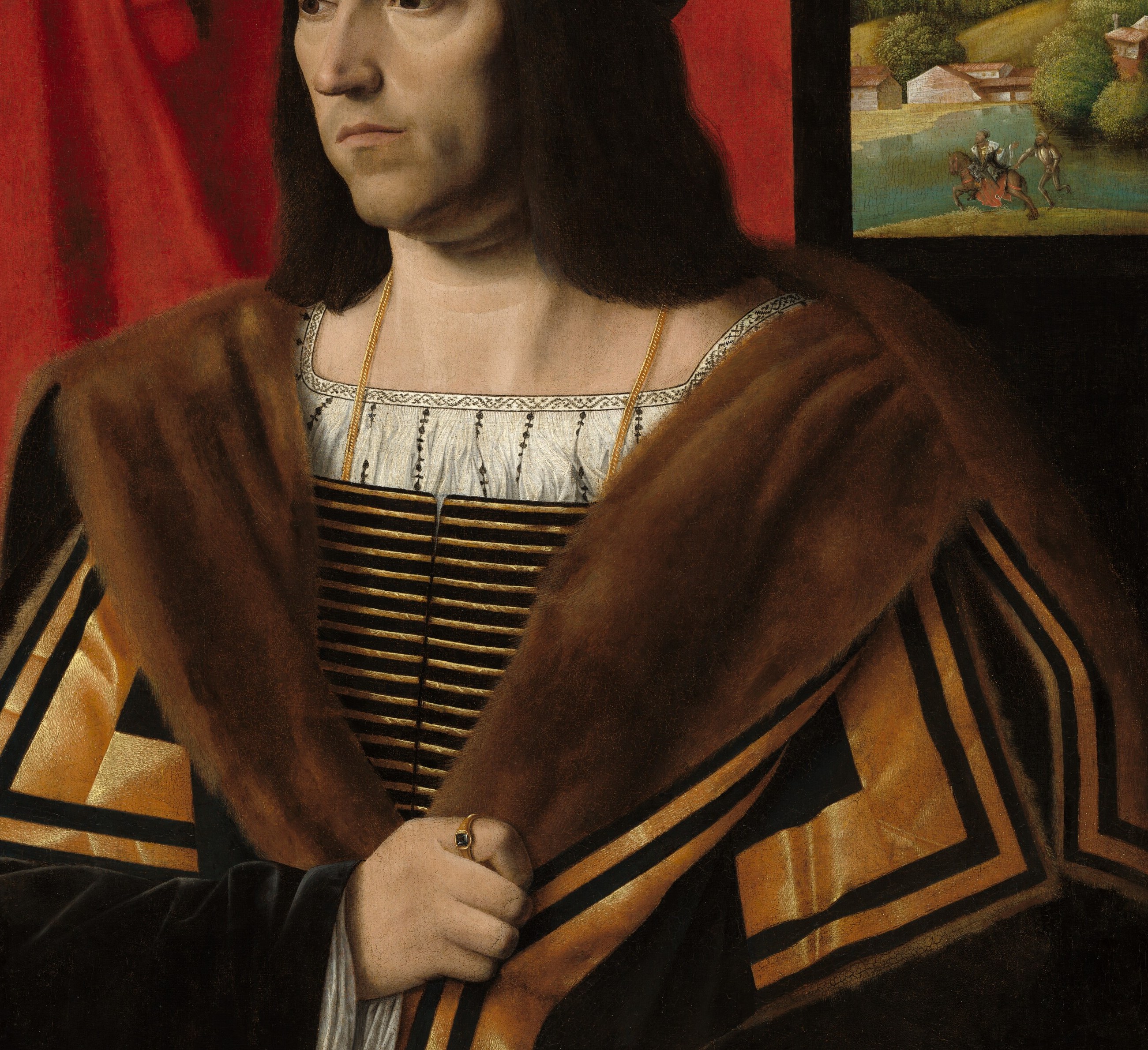
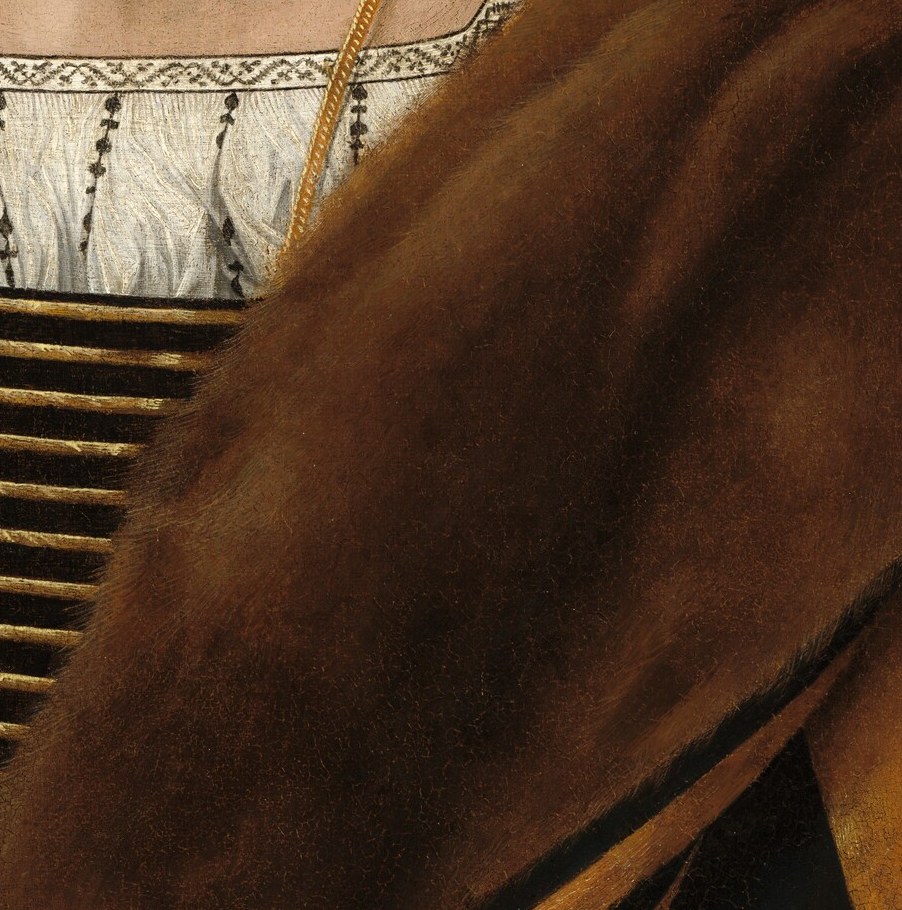
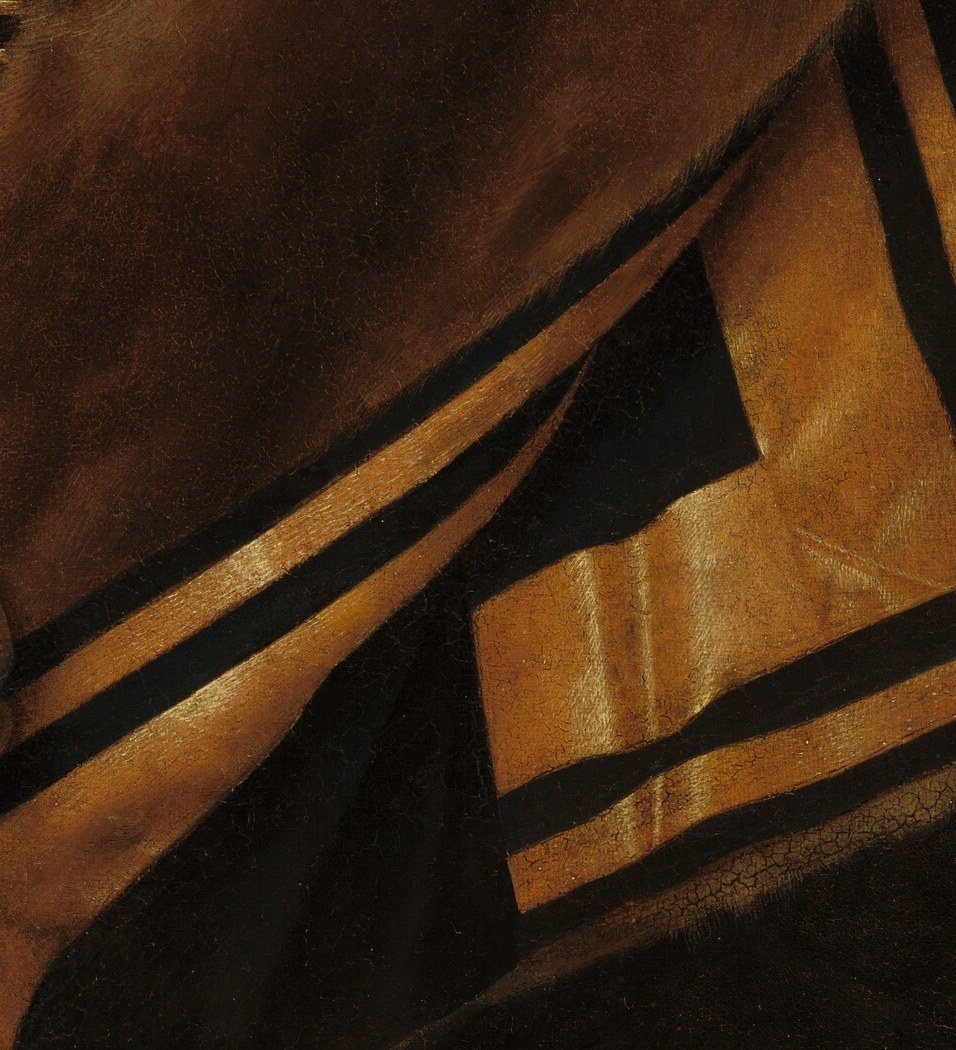
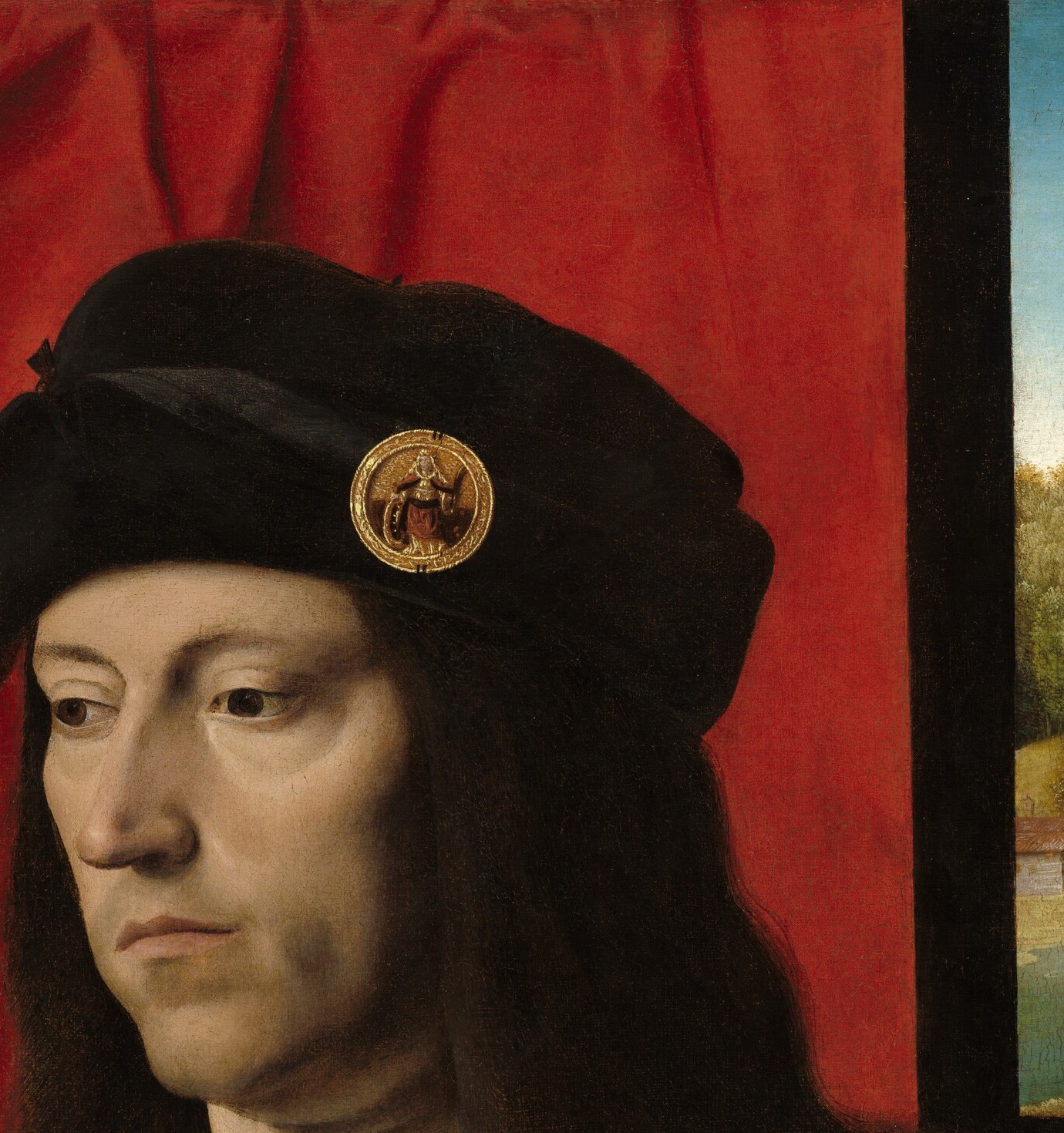
Pompeo Batoni's "Portrait of a Gentleman," painted around 1762, captures an unnamed British traveler on the Grand Tour. The sitter wears his wealth in teal silk and powdered curls, but the painting's real secret is much smaller.
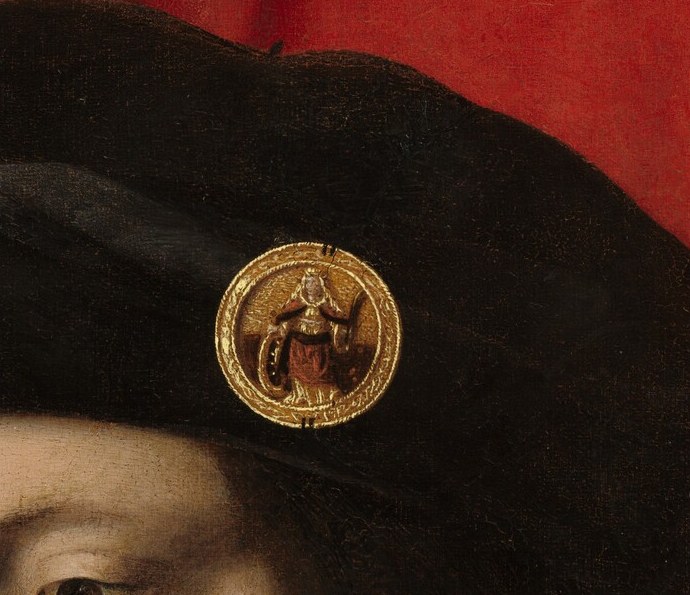
Look to his right hand. He loosely holds a miniature portrait on a ribbon, a tiny, intimate painting within a painting. In an era before photography, such miniatures were tokens of deep affection: a wife, a betrothed, or someone dearly missed. Batoni places it at the very edge of the composition, easy to scroll past but impossible to ignore once seen.
Batoni was Rome's premier portraitist for Grand Tourists, wealthy British and Anglo-Irish gentlemen who sat for him as a status souvenir. His illusionistic skill with fabric and flesh made him the most sought-after painter of his generation, eventually earning him noble rank and papal commissions. Yet here he refused to record the sitter's name, leaving only the object in his hand as a clue.
Half a century later, visitors to Rome would carry photographs. In 1762, a secret portrait in the palm was the closest thing to holding someone you loved.
Details
Transcript
A gentleman, dressed in silk and powdered hair. Pompeo Batoni was Rome's portraitist for the wealthy British. His signature: impossible blue and flawless lace. But the whole story rests in his right hand. He holds a miniature portrait on a ribbon. A wife at home, or a lost love, worn close. Batoni never named him. The miniature says everything he left out.