Gardener's House at Antibes by Claude Monet
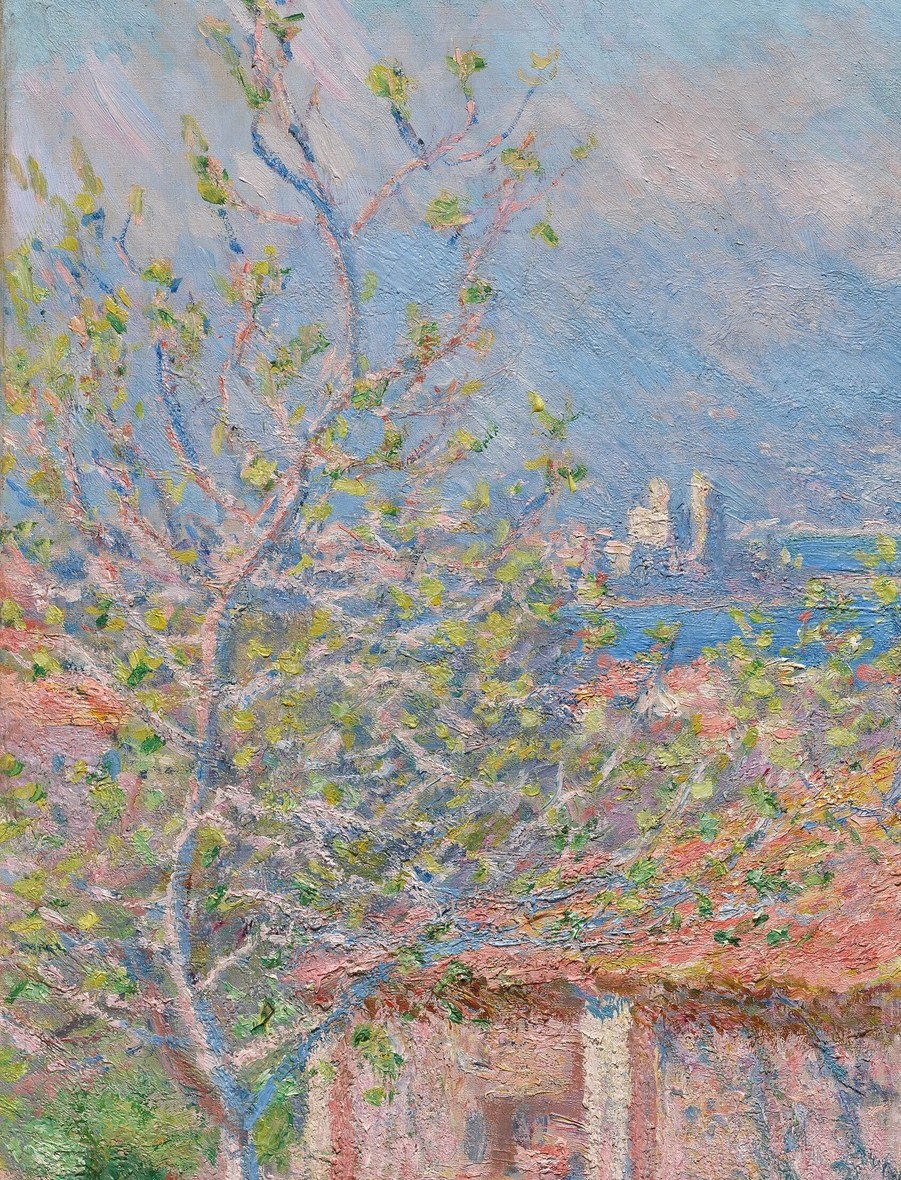
Claude Monet's *Gardener's House at Antibes*, painted in 1888, offers a serene glimpse into rural life in late 19th-century France. This tranquil landscape, held at The Cleveland Museum of Art, captures a modest dwelling amidst lush vegetation under an expansive sky.
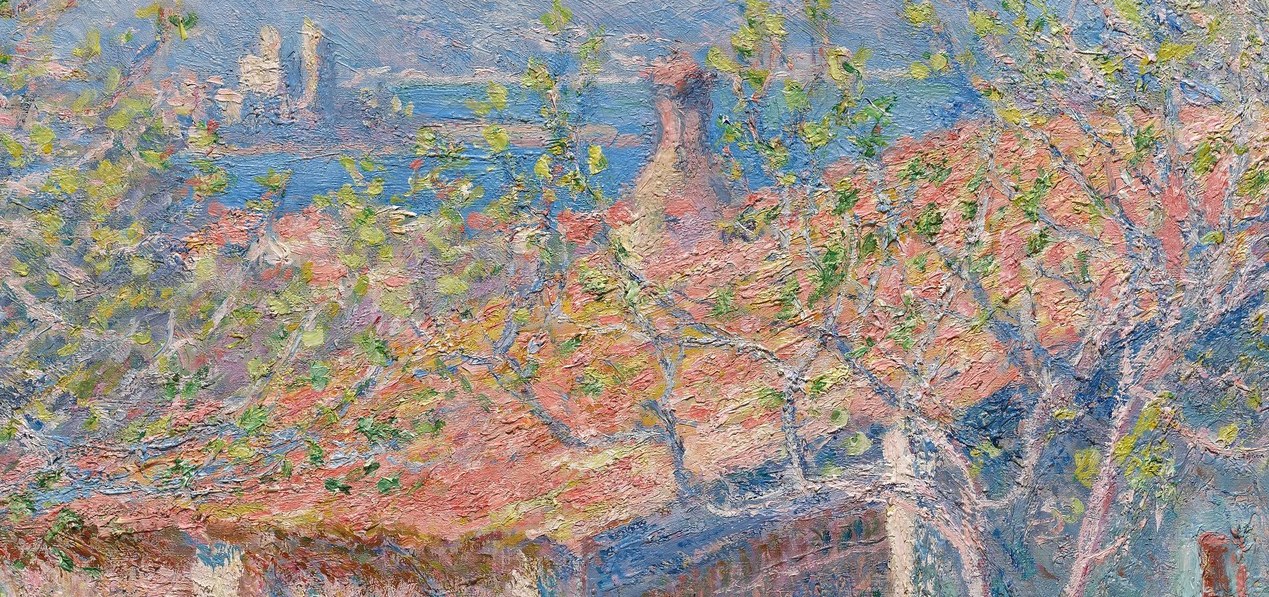
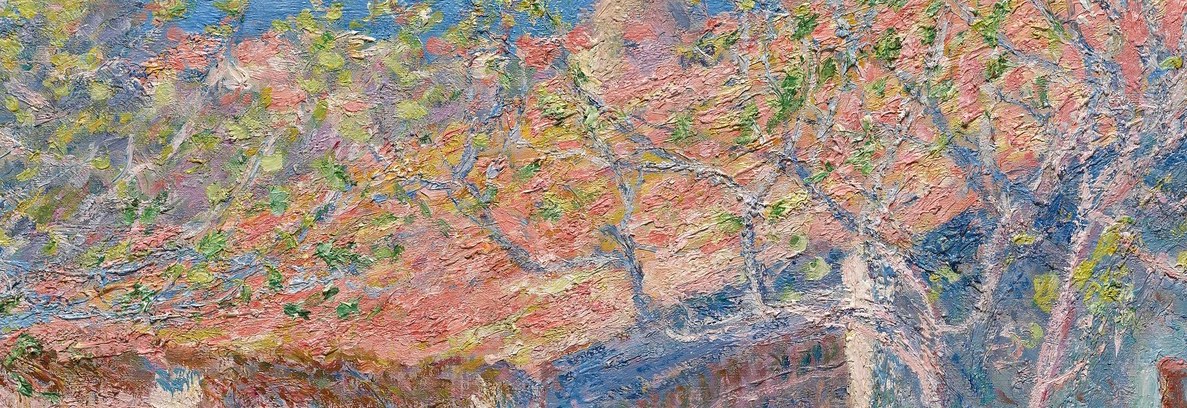
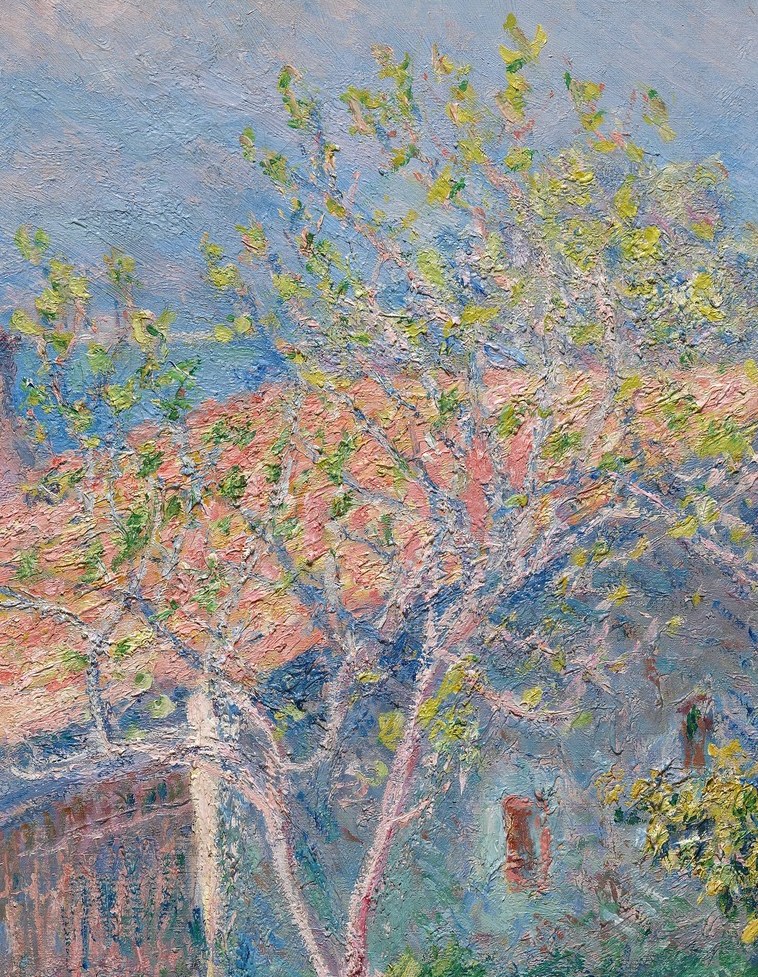
Monet's meticulous observation of light is evident in the dappled shadows playing across the house and foliage, inviting viewers into its quiet, sun-drenched scene. Look for the delicate array of colors and gentle brushstrokes that convey a profound sense of serenity.
Monet, a founder of Impressionism, was renowned for his dedication to 'plein air' (outdoor) painting, aiming to express his personal perceptions of nature. This work reflects his sustained engagement with natural light and outdoor environments during his travels, a practice that profoundly influenced modern art.
The painting stands as a quiet witness to a moment in time, showing how domesticity and nature intertwined in Antibes.
Details
Transcript
Monet painted this serene scene in Antibes, France, 1888. It shows a gardener's house, nestled among lush foliage. Notice the subtle shadows, capturing the sun's gentle movement. This tranquil domesticity was a favored subject for the artist. He sought to express his perceptions of nature, painting outdoors. His work helped found Impressionism, changing how art was seen.