The Path through the Irises by Claude Monet
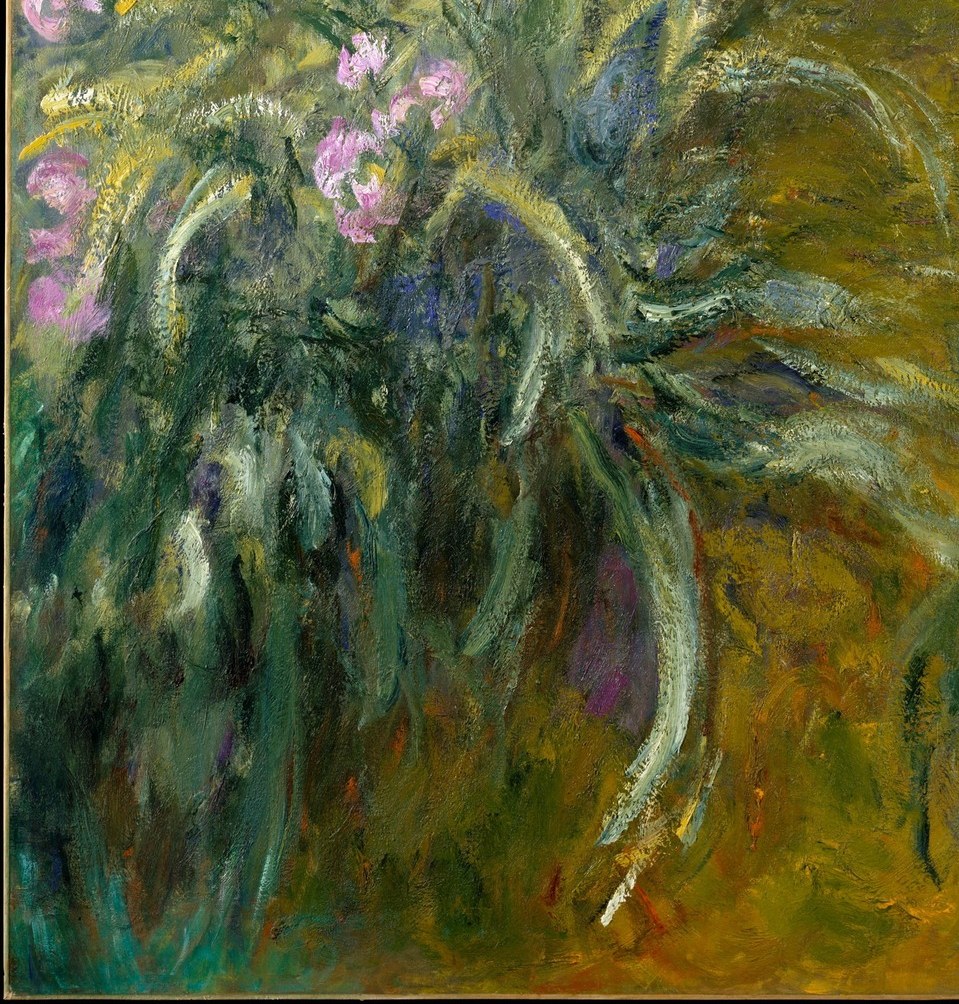
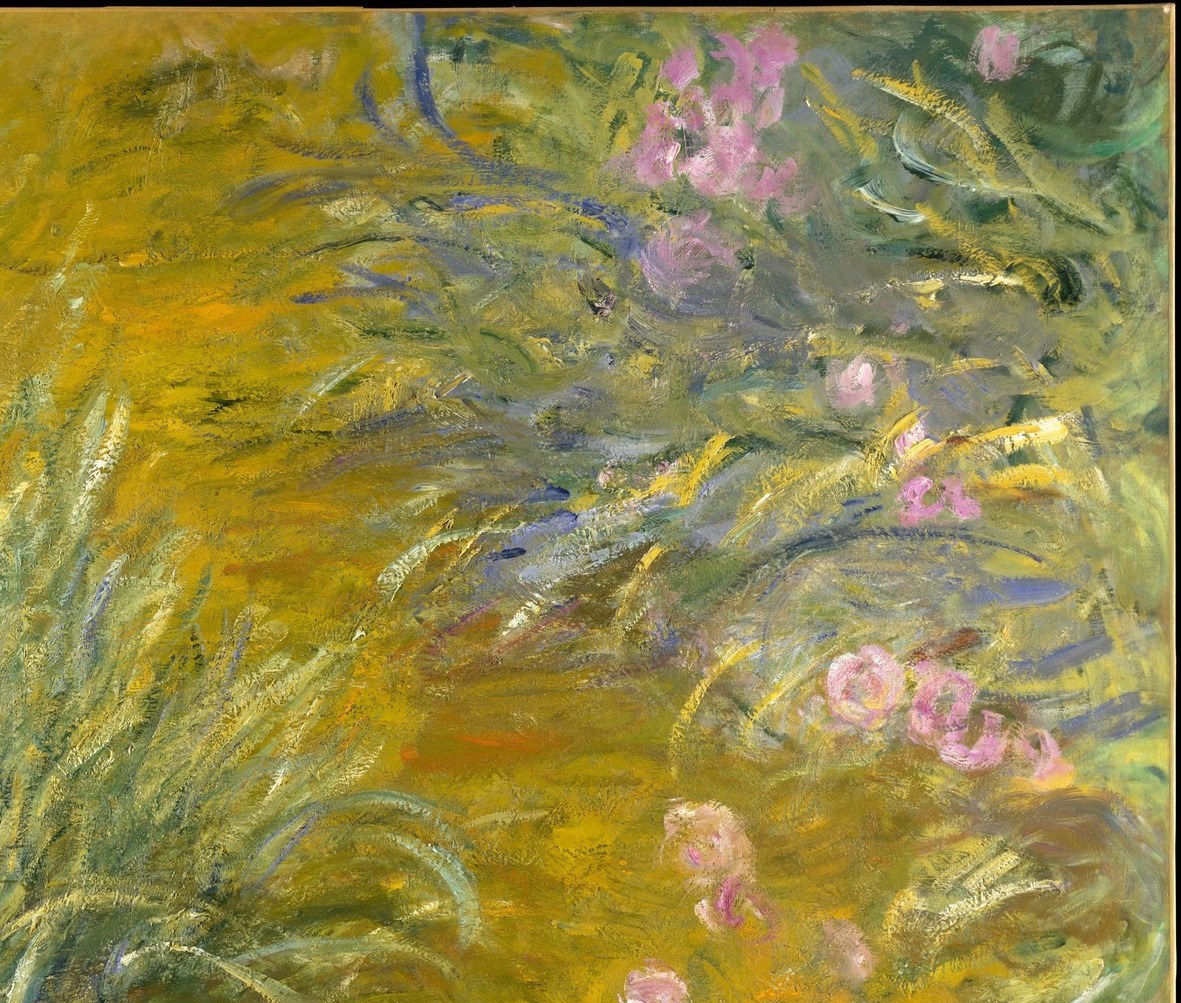
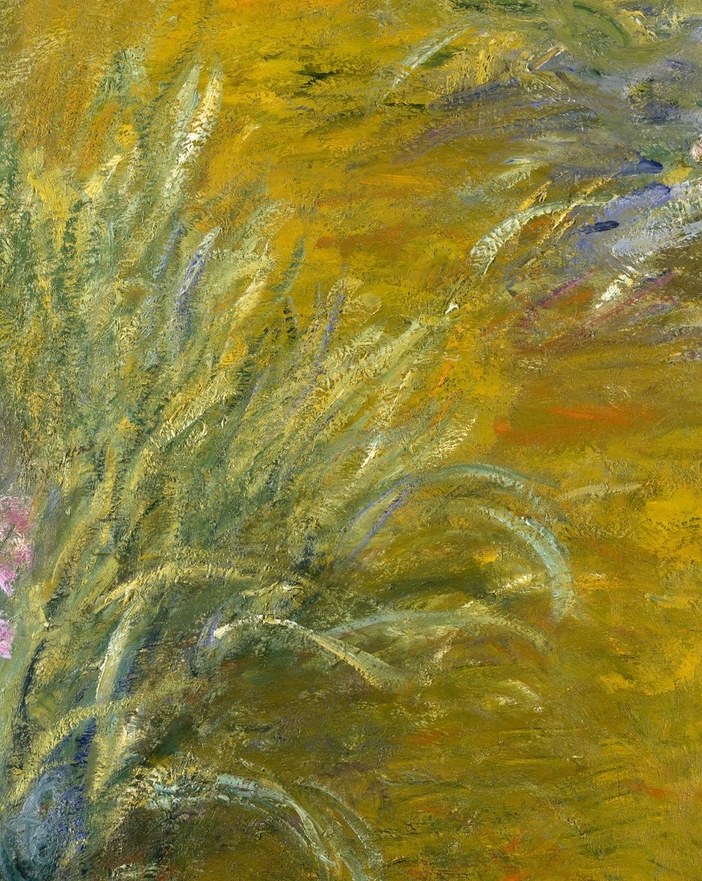
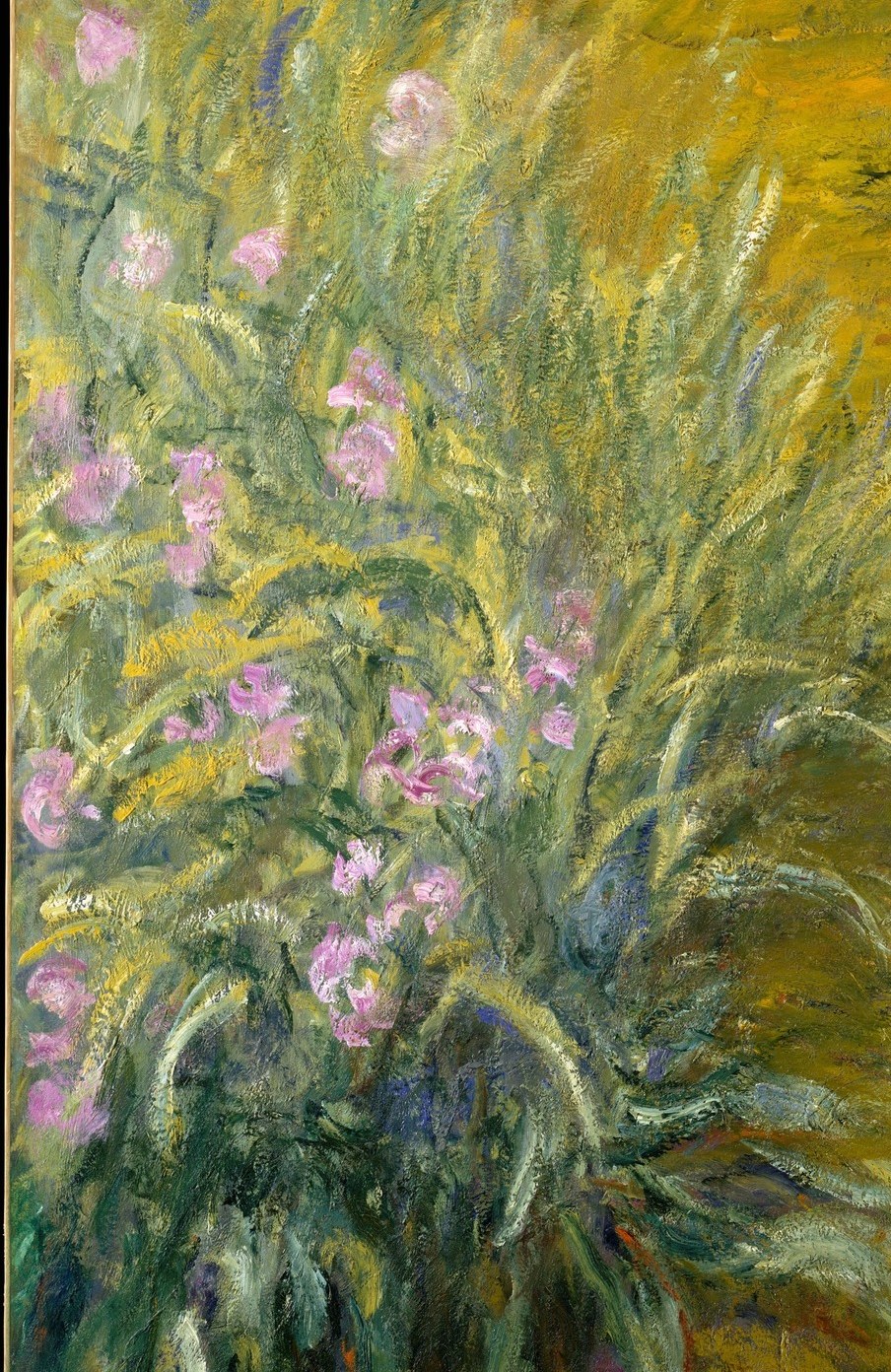
Claude Monet's "The Path through the Irises," painted in 1914, is a vibrant oil work that captures a moment in the artist's famous garden at Giverny. Now part of The Metropolitan Museum of Art's collection, this painting exemplifies his late-career focus on nature's fleeting beauty.
While the eye is immediately drawn to the lush pink irises and the interplay of green and yellow foliage, a closer look reveals a winding pathway. This subtle detail invites the viewer into the scene, suggesting a leisurely stroll through the sun-drenched garden.
Monet, a pioneer of Impressionism, spent his later years at Giverny, meticulously cultivating his garden and painting its ever-changing light and seasons. This work is a testament to his dedication to capturing his perceptions of nature, with each brushstroke conveying movement and atmospheric light.
It's a beautiful reminder of how even in seemingly simple scenes, there are layers of detail waiting to be discovered. What do you notice first?
Details
Transcript
This painter often focused on irises, at the end of his life. He sought to capture light filtering through dense leaves. The vibrant yellow background shows strong sunlight. But look closely, there is more than just flowers here. A path winds through the garden, inviting you deeper. This painting from 1914 captures his Giverny garden.