Portrait of Jacob de Graeff (1642-90), in the uniform of an officer by Gerard ter Borch
Gerard ter Borch, a master of the Dutch Golden Age, painted this compelling "Portrait of Jacob de Graeff" in 1673. Ter Borch was celebrated for his ability to capture the subtle psychological depth of his subjects, a skill evident in de Graeff's dignified portrayal.
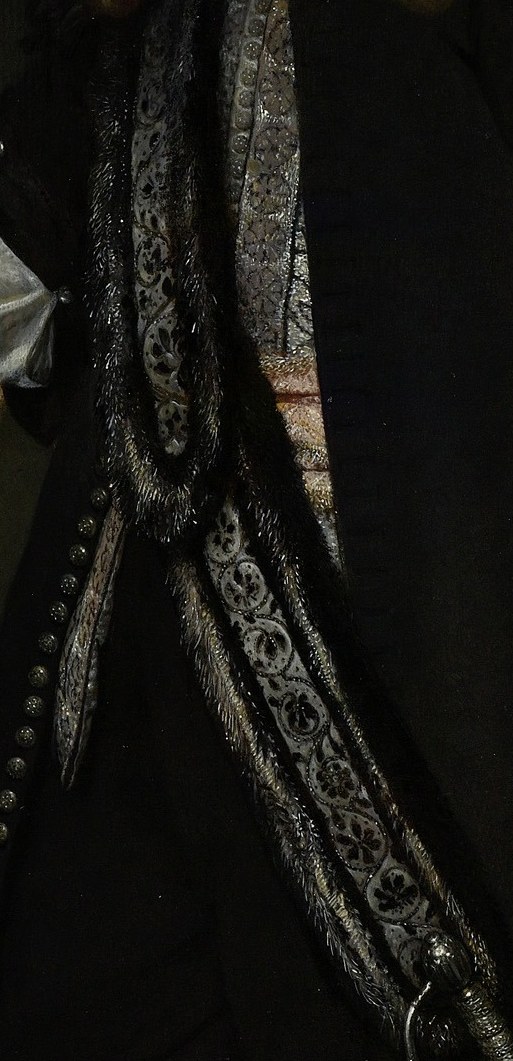
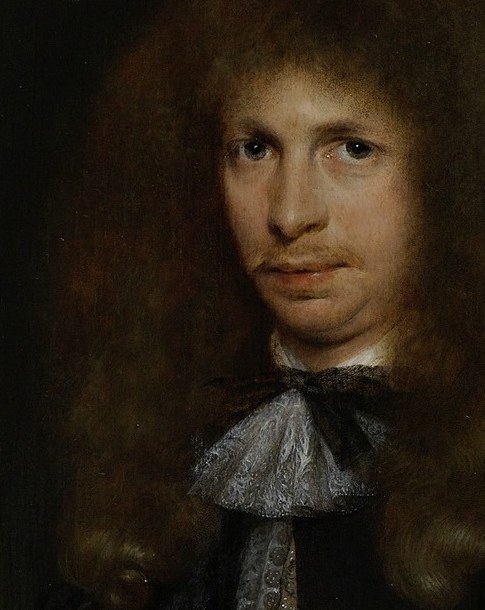
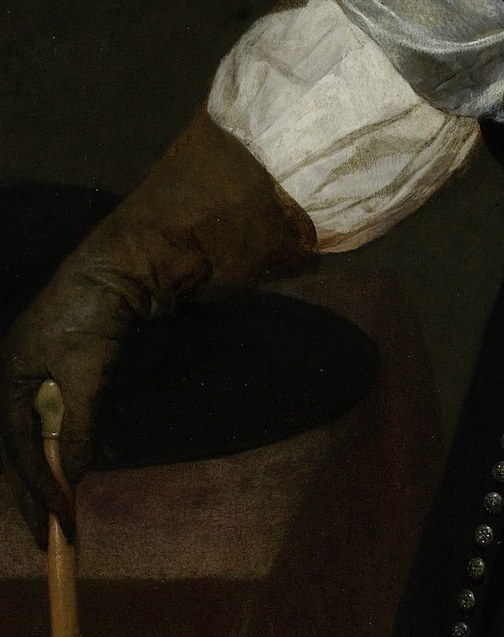
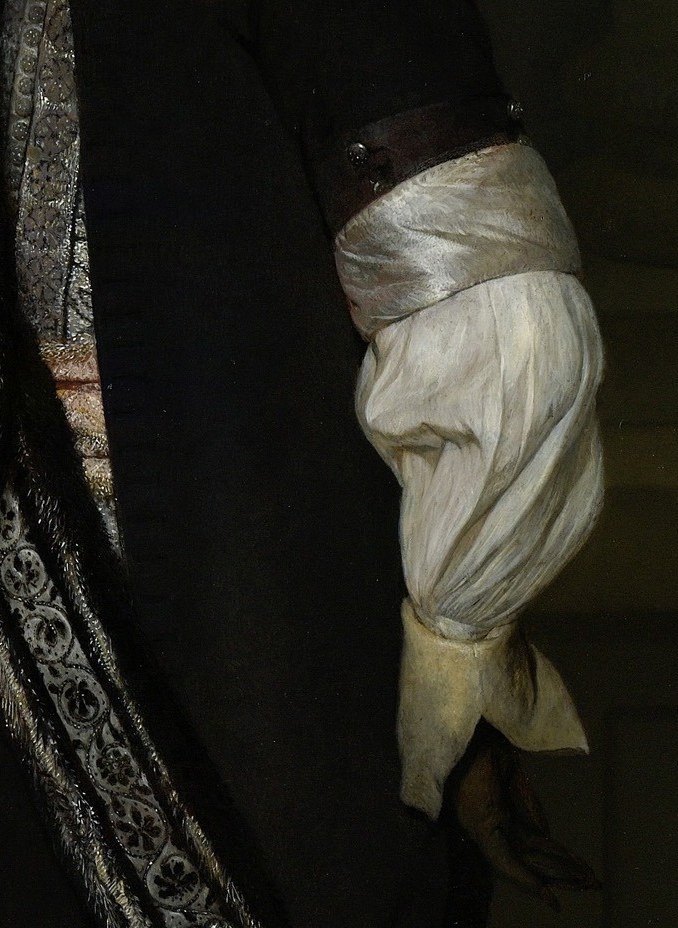
Observe the intricate details of de Graeff's military uniform, particularly the silver embroidery and delicate lace collar. These elements not only showcase Ter Borch's meticulous brushwork but also highlight de Graeff's social standing and military rank. His composed expression and the authoritative way he holds his cane further emphasize his quiet presence.
This painting is a significant example of Dutch Golden Age portraiture, a period when artists like Ter Borch, who influenced Johannes Vermeer, depicted civic leaders with a blend of realism and understated elegance. The work has remained in Dutch hands and is now part of the Rijksmuseum's esteemed collection.
What do you notice first about Jacob de Graeff's demeanor?
Details
Transcript
This is Jacob de Graeff, painted in 1673. He was a military officer during the Dutch Golden Age. His uniform's rich embroidery signifies his wealth and rank. The painter was known for revealing inner lives. Look at the quiet dignity in his expression. His gloved hand rests on a cane, conveying authority.