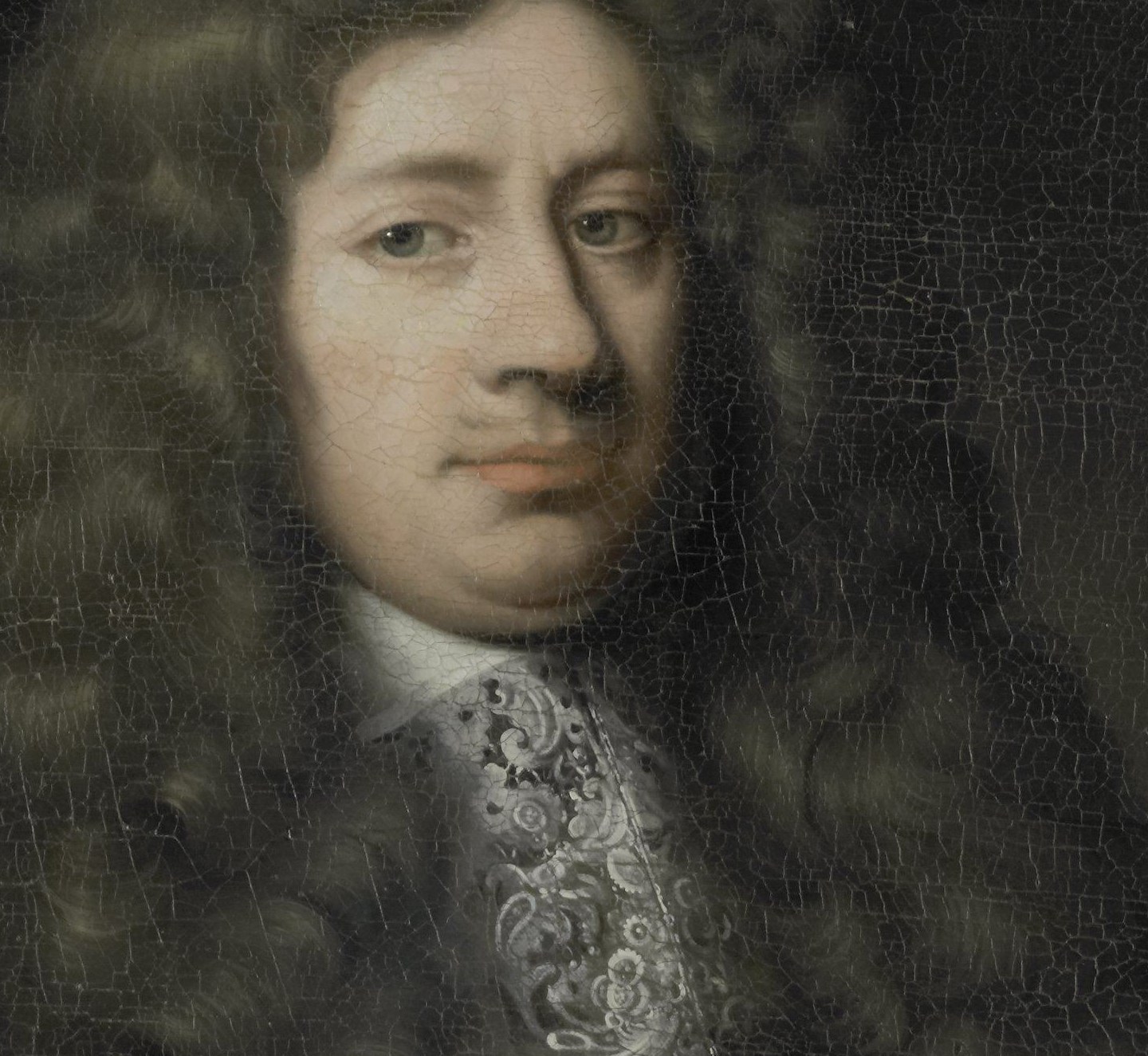
Portrait of Dominicus Rosmale, Director of the Rotterdam Chamber of the Dutch East India Company, elected 1677 by Pieter van der Werff
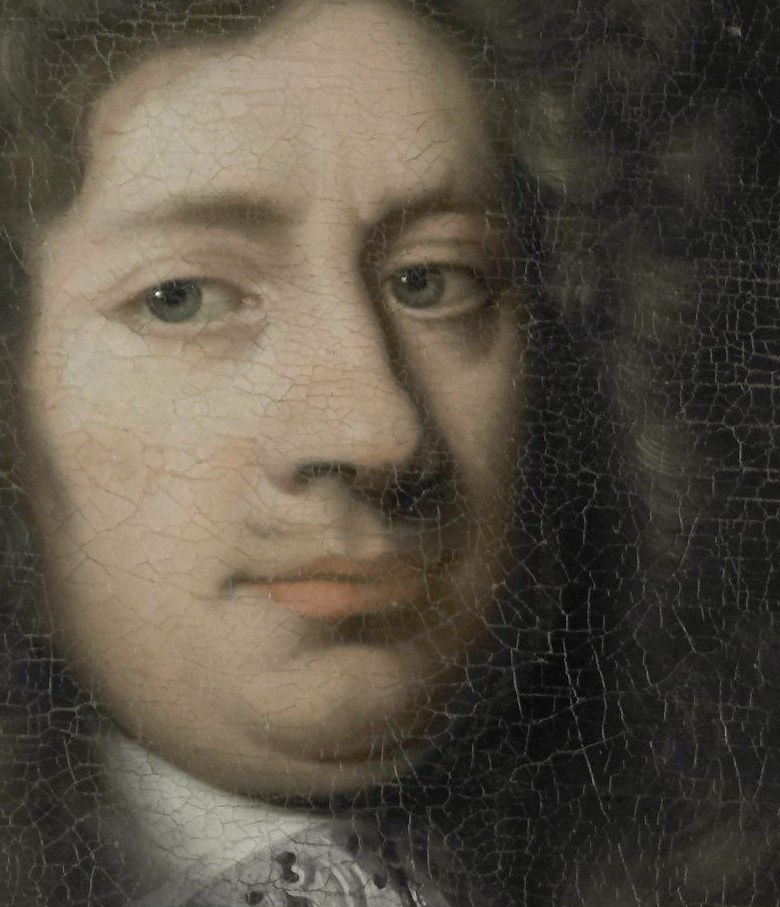
Pieter van der Werff's 1708 oil portrait depicts Dominicus Rosmale, who was elected Director of the Rotterdam Chamber of the Dutch East India Company in 1677. This painting, now held at the Rijksmuseum, reflects the refined style of the early rococo period.
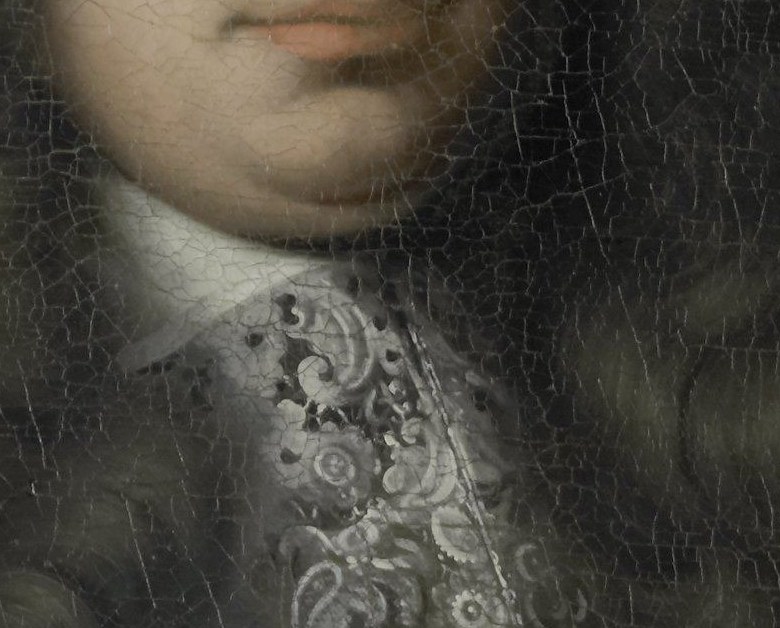
Look closely at the details that speak to Rosmale's wealth and status: the intricate lacework of his jabot and collar, and his fashionable, curled hair. The artist's meticulous brushwork highlights these elements, emphasizing the sitter's importance.
Such portraits were often commissioned to commemorate significant appointments and visually assert social standing within the powerful mercantile hierarchy of the Dutch Republic. Van der Werff, known for his portraiture, expertly captured Rosmale's dignified presence.
What details in clothing or style today convey power and status?
Details
Transcript
This is Dominicus Rosmale, a man of serious power. He became a director of the Dutch East India Company in 1677. Look closely at his ornate jabot, a symbol of high status. The intricate lacework shows the artist's meticulous skill. His long, curled hair was the height of fashion in 1708. This portrait asserts Rosmale's position in the mercantile world.