The Adoration of the Magi by Pseudo-Bles
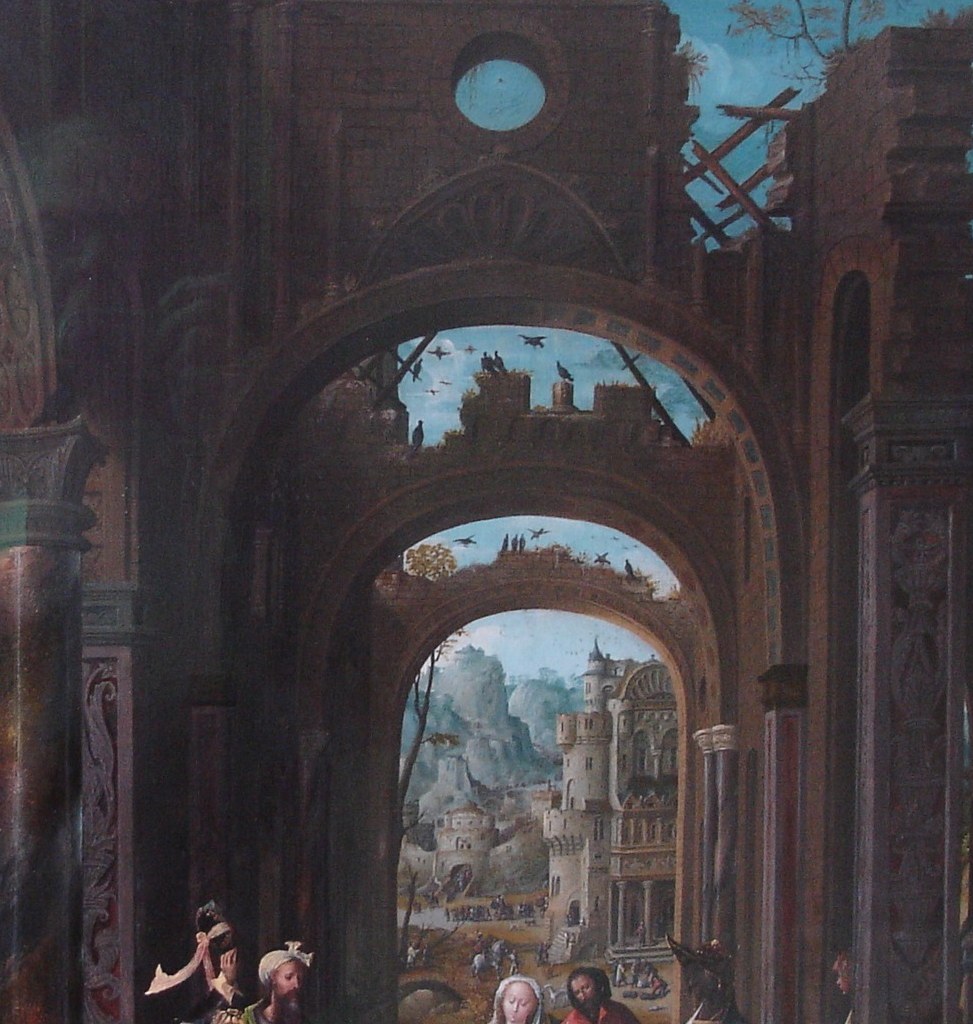
The Adoration of the Magi was painted around 1520 by an artist known only as Pseudo-Bles. It hangs in Munich's Alte Pinakothek. The ruined arch was painted broken on purpose, a symbol of the old pagan world giving way to the new.
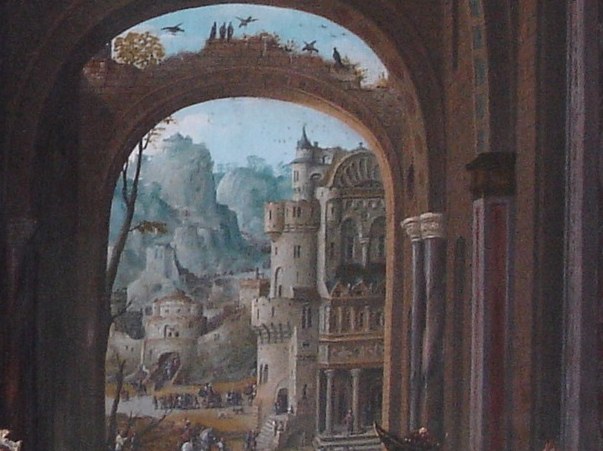
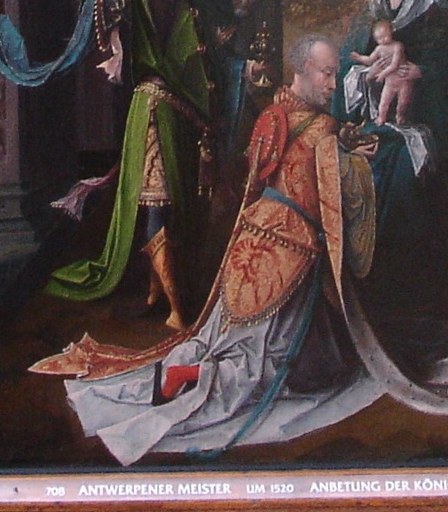
Through the arch, a distant city gleams whole and bright. At the center, the Christ child glows with light built in translucent layers of glaze over pale paint, a technique that makes the figure feel genuinely luminous.
Pseudo-Bles is a placeholder. We do not know who this workshop painter was. But his devotional scene has survived five centuries. The painting entered the Alte Pinakothek in the 19th century and has remained on public view.
The painter's name is lost. The child still glows at the center, and the old world still crumbles around him.
Details
Transcript
1520. A workshop painter imagined Bethlehem. He painted a broken arch. Not from age. Not from weather. Through it: a distant city, whole and bright. The child glows. That light is glaze, built in layers. Mary's face: still, gentle, watching the child.