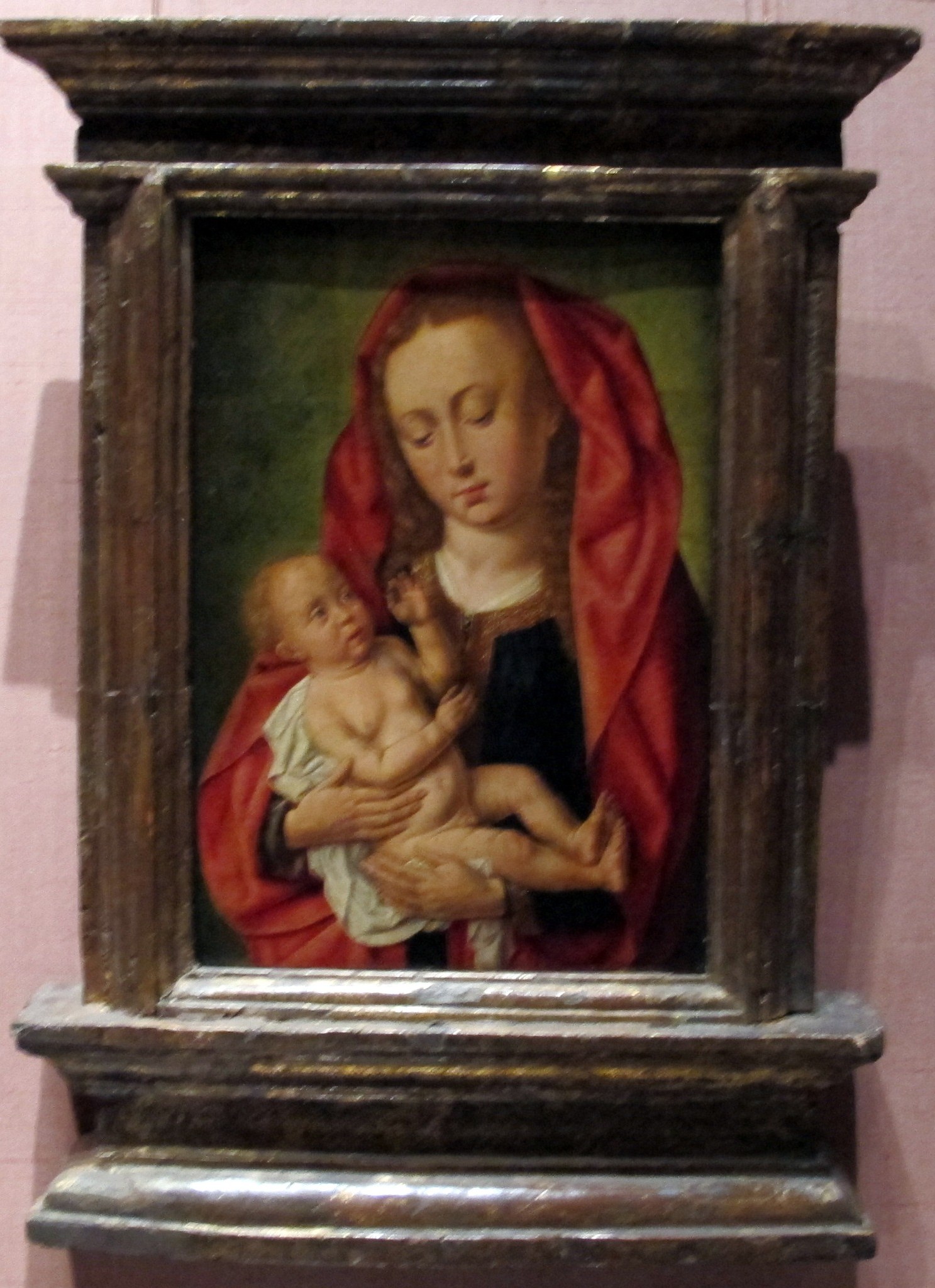
Virgin and Child with a Dragonfly by Master of Saint Giles
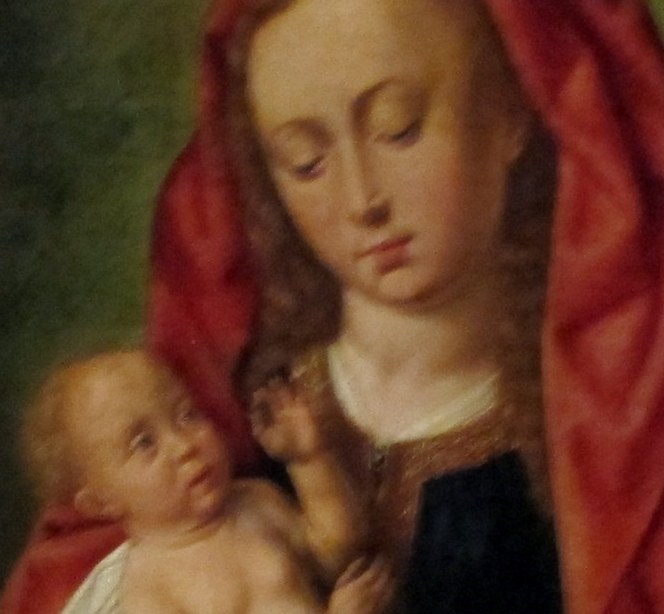
This is Virgin and Child with a Dragonfly, painted around 1500 by the Master of Saint Giles and now at The Metropolitan Museum of Art. For centuries, the tiny insect hovering near the Christ Child's hand was easy to overlook. But in late medieval iconography, the dragonfly carried a specific symbolic weight: it stood for transformation, the soul, and sometimes the Holy Spirit itself.
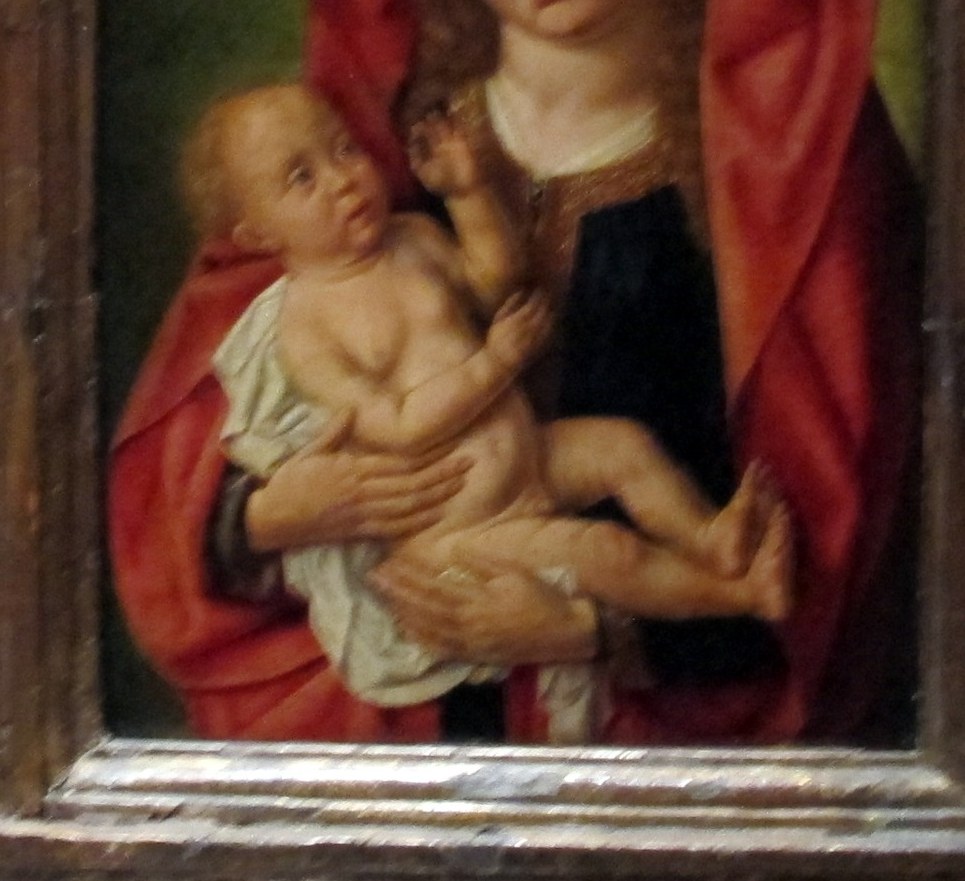
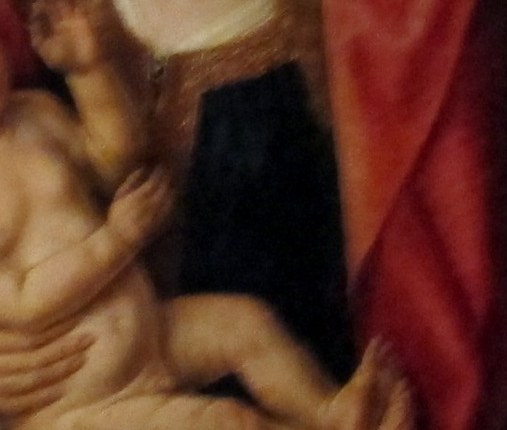
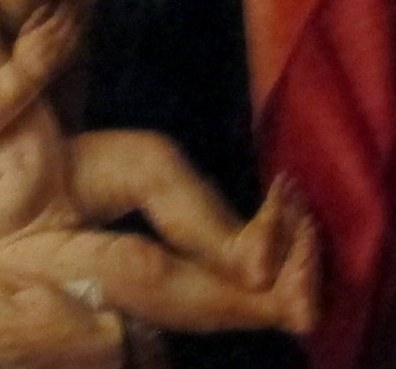
The painting's visual drama unfolds through its materials. Mary's blue gown is ultramarine, ground from lapis lazuli imported from Afghanistan at a cost that often exceeded gold. The deep crimson of her mantle, dominating the panel, was a purposeful choice: it alludes to the Passion that awaits the Child she holds. Meanwhile, His own vulnerable nakedness was not sentimental genre painting but a theological claim about full Incarnation.
The Master of Saint Giles remains a shadowy figure, known only through a handful of surviving panels. This small devotional work, set in its original carved gilt-wood tabernacle frame, functioned as a portable altarpiece: an object before which a single owner knelt in private prayer. The empty predella zone below the painting focuses all devotion on the single intimate image above.
Next time you see a Madonna and Child in a museum, scan the margins. The smallest detail often carries the largest idea.
Details
Transcript
She cradles an infant in a crimson robe. Her blue gown is ultramarine, from Afghan lapis. That pigment cost more than gold. The Child's body is a theological statement. Painted naked to show God made fully vulnerable flesh. Now look between His reaching hand and hers. A dragonfly. Half an inch long and easy to miss. In late medieval belief, the dragonfly meant transformation and the soul.