The Infant Bacchus by Bellini, Giovanni
Giovanni Bellini's "The Infant Bacchus," painted around 1505-1510, presents a rare and tender depiction of the god of wine as a child. Housed at the National Gallery of Art in Washington, D.C., this work invites us to see divinity through the lens of childlike innocence and vulnerability.
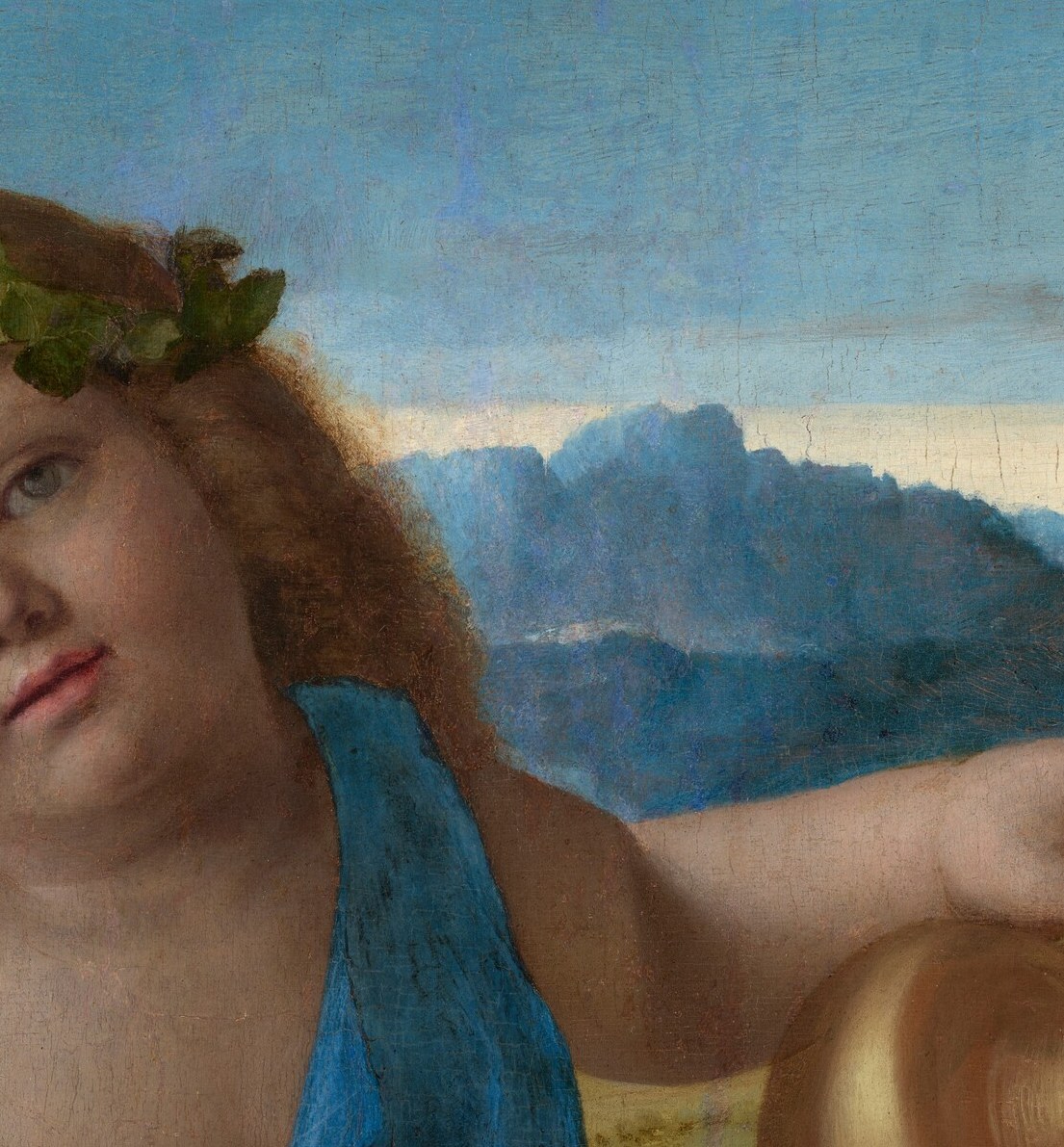
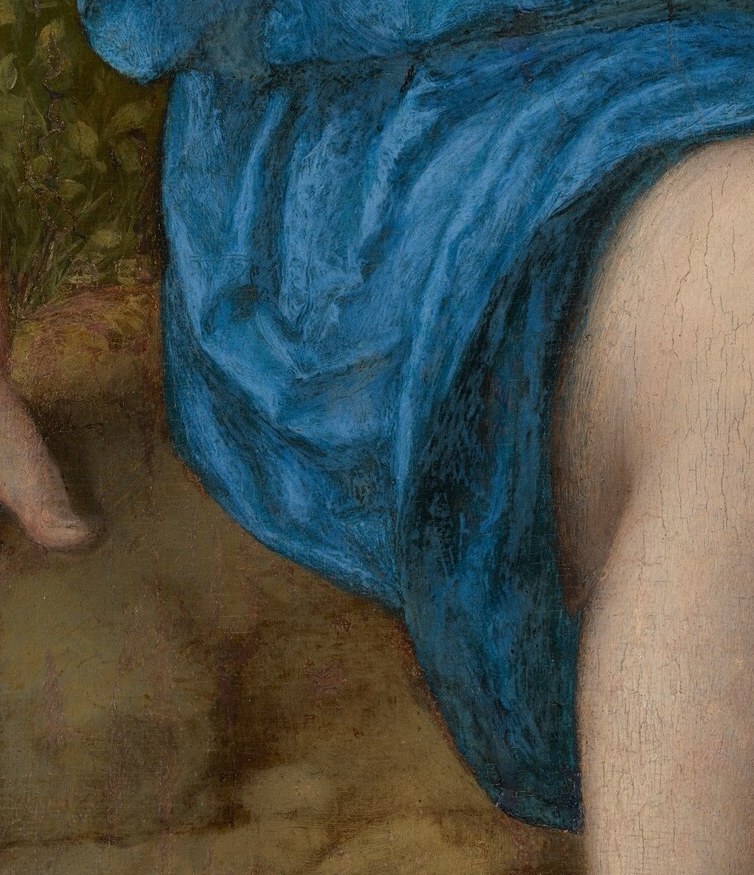
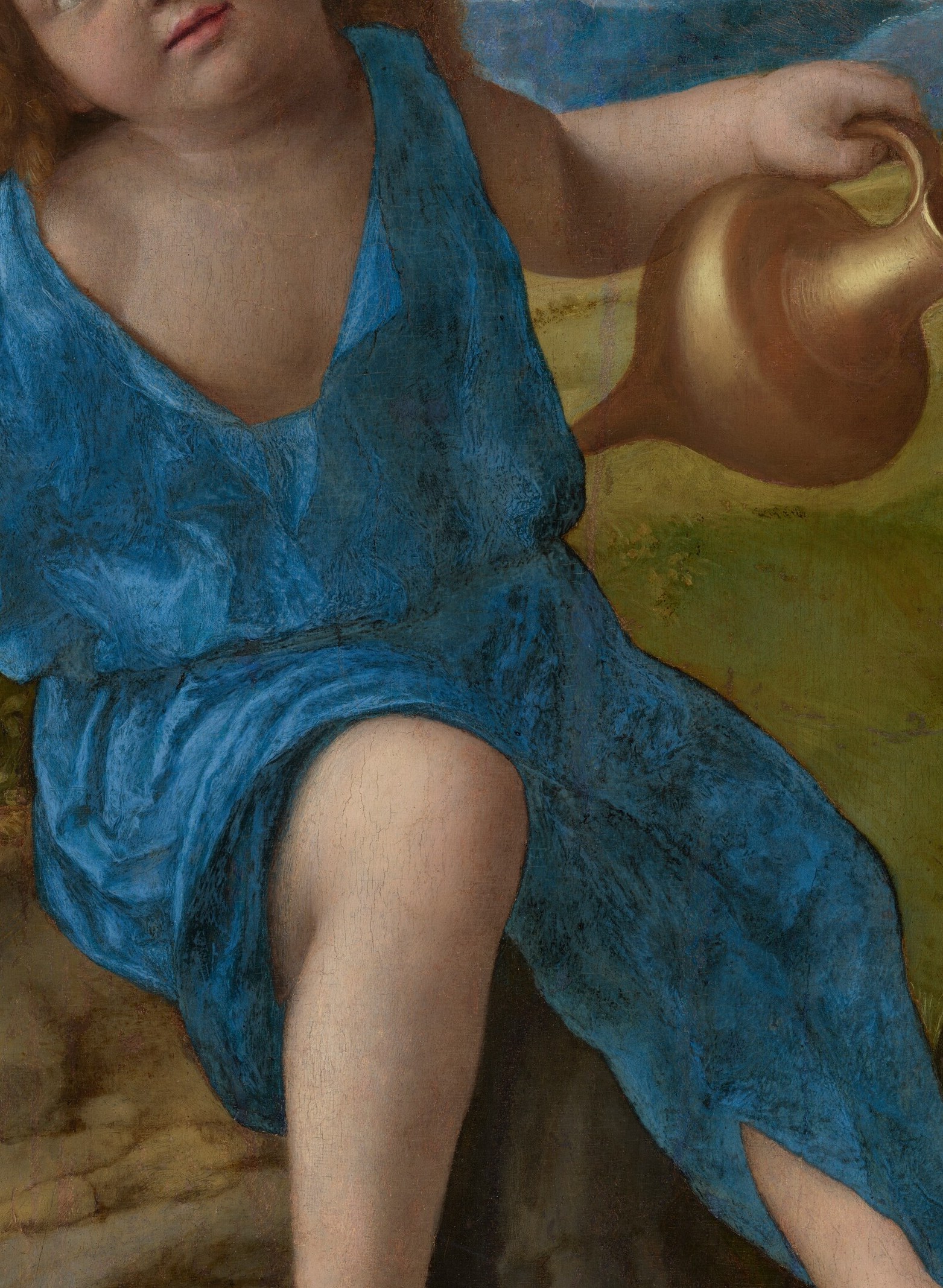
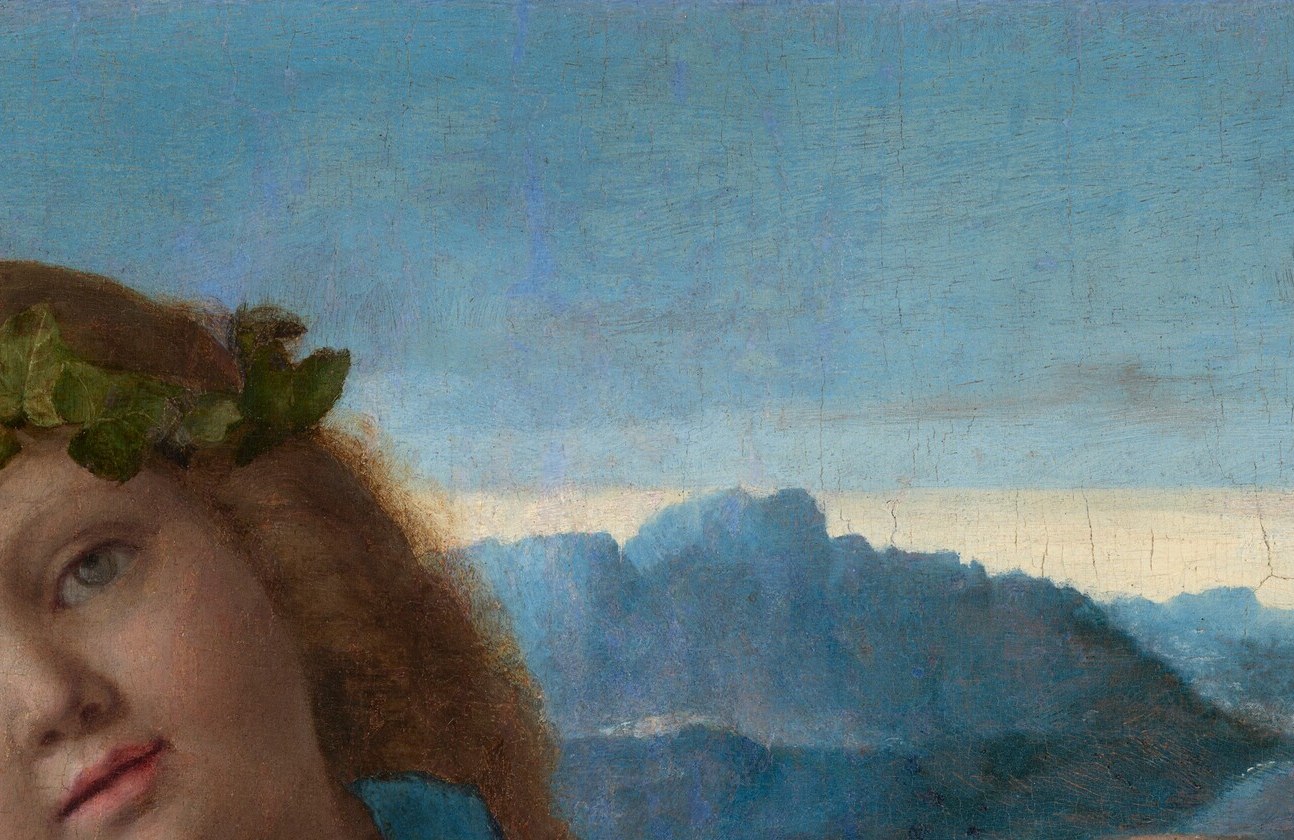
Observe the young Bacchus's upturned face, lost in a dreamy gaze. Bellini's masterful use of oil paint creates a luminous quality on his skin, making the god feel remarkably present and human. Even the delicate rendering of his left hand, softly pressed against the rough stone seat, highlights the painter's ability to contrast textures and evoke intimacy.
Originally painted on a wooden panel before being transferred, this work was once mistakenly attributed to Giorgione. It may also derive from the same studies as the figure of Bacchus in Bellini's "The Feast of the Gods," showing his iterative approach to classical themes. Scholar Shipley suggests it’s an allegory for the winter solstice, with the infant Bacchus symbolizing the new year's beginning.
Bellini, a lifelong Venetian, excelled at imbuing his figures with a palpable sense of life and emotion. What do you see in this young god's gaze?
Details
Transcript
This is Bacchus, god of wine, but as a child. This young god dreams, lost in thought. His face is luminous, almost visionary. Look at the gentle curve of his left hand. It’s pressed against rough stone, so soft. This painter often makes gods feel human.