Female Musicians by Master of the Female Half-Lengths
This captivating painting, "Female Musicians" by the Master of the Female Half-Lengths, circa 1530, at the State Hermitage Museum, offers a rare glimpse into the art market of the 16th century.
The artist behind this work remains anonymous, known only by the descriptive name coined by art historians. This was common for workshops that specialized in producing small-scale panels, often depicting elegant young women engaged in various activities like reading, writing, or, as seen here, making music. The figures often shared similar features and poses, a method to efficiently meet the demands of a growing market for domestic decorative art.
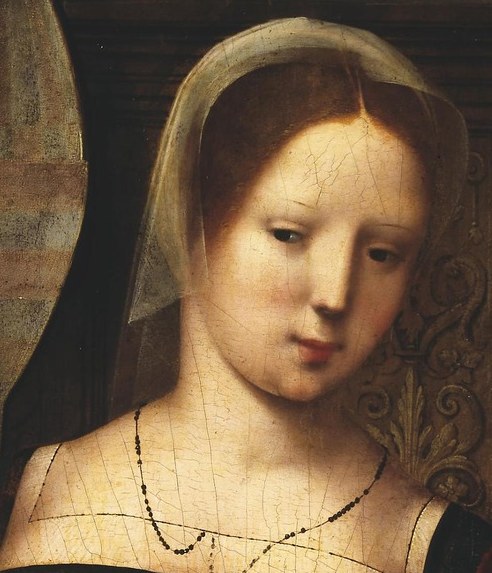
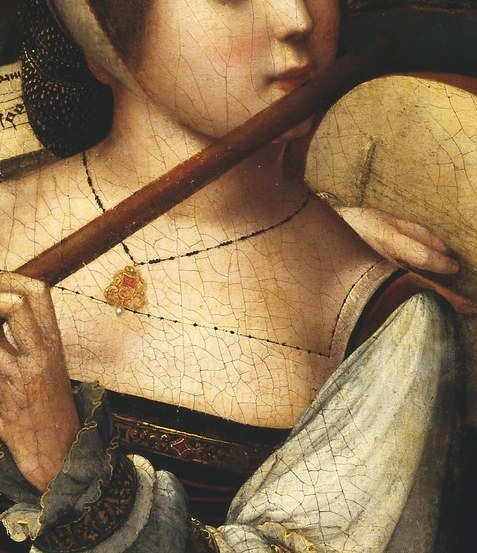
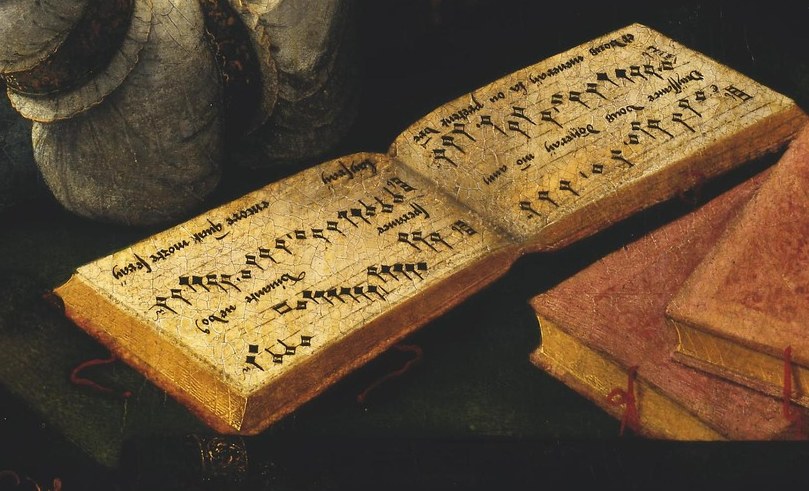
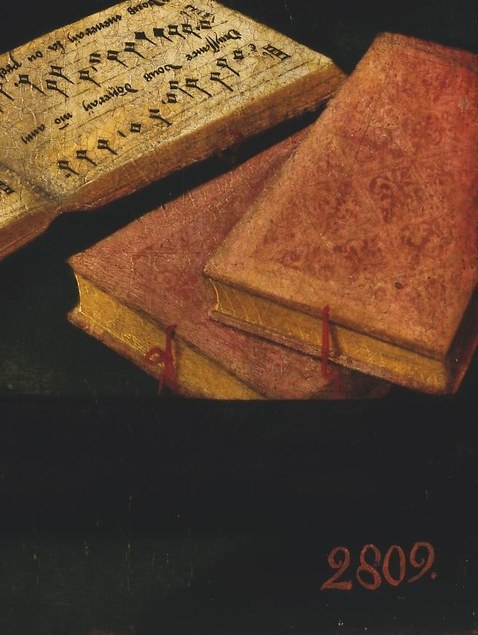
Observe the subtle details: the central figure's closed eyes in concentration, the delicate positioning of the flautist's hands, and the visible musical notation on the sheet music. These elements highlight the cultural significance of music among women during the early sixteenth century, suggesting a refined and private enjoyment of the arts.
This painting is a testament to the efficient production methods of Antwerp workshops and their ability to create accessible, aesthetically pleasing works for a broad audience. What details do you notice that suggest a quiet, scholarly environment?
Details
Transcript
This painting is by an artist whose name is lost to history. The painter is known only as 'Master of the Female Half-Lengths'. It was common for workshops to mass-produce paintings like this one. They used repeating poses and faces for a growing art market. This central musician plays a transverse flute, a popular instrument then. Her hands show delicate precision, conveying deep concentration. This work reflects the era's interest in secular themes and music. It's a glimpse into the domestic artistic life of the 16th century.